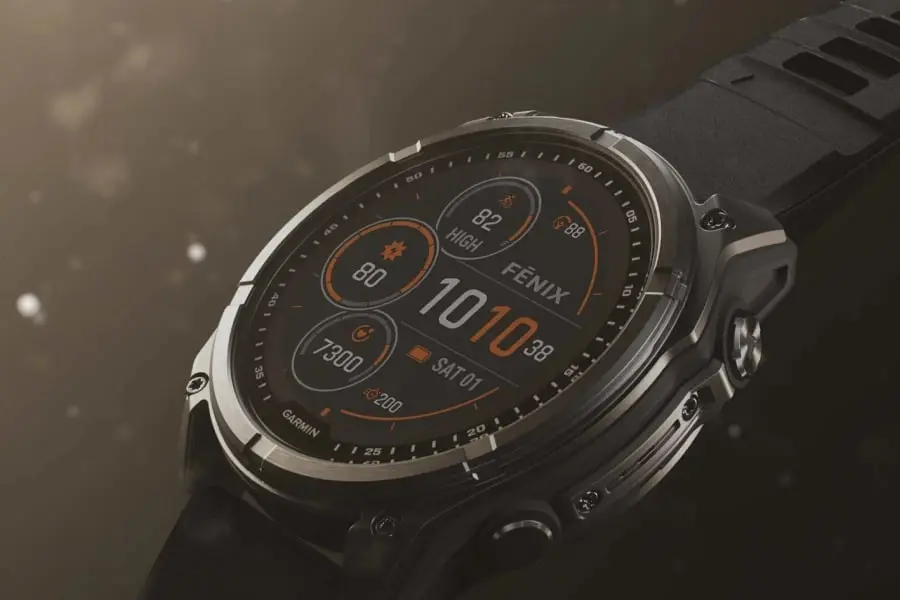
Garmin’s Enduro 3 and Fenix 8 aren’t your average smartwatches. Their battery life numbers are measured in days and weeks, not hours—making this comparison relevant for anyone fed up with daily charging.
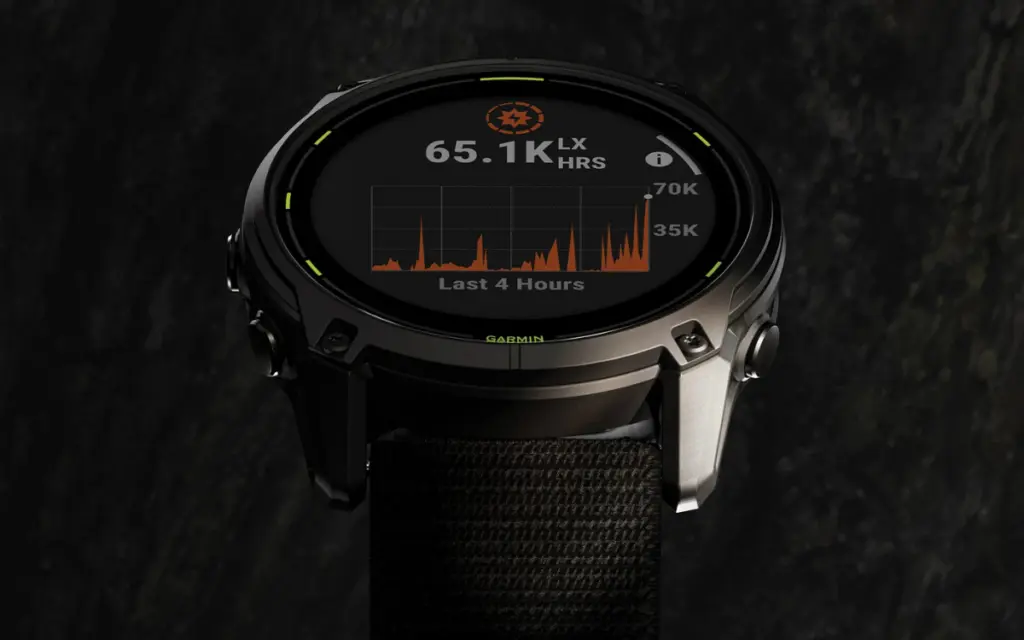
- Enduro 3 offers up to 90 days of smartwatch battery life with solar charging.
- Fenix 8 Solar maxes out at 48 days in smartwatch mode and 149 hours GPS tracking.
- Enduro 3 skips voice calls and dive features to prioritize battery and weight.
- Fenix 8 balances features like speaker, mic, and scuba rating but compromises on battery.
Flagship Power, Mid-range Compromises
The Fenix 8 is Garmin’s all-in-one flagship. It packs a built-in speaker and mic for calls, a dive-ready casing, and an LED flashlight. The catch is simple: all these extras drain battery faster.
Looking at the 51mm model, the AMOLED version lasts up to 29 days in smartwatch mode, dropping to 13 days if the screen stays on. GPS tracking clocks in at 84 hours—respectable, but not mind-blowing.
The Solar edition swaps AMOLED for a Memory-in-Pixel (MIP) display and adds a solar lens. This bumps battery life to 30 days, or 48 days if you spend enough time outside. GPS tracking also extends to 95 hours, or 149 with solar help. For most users, this is solid—though not astronomical by Garmin’s own standards.
Minimalist Endurance Machine
The Enduro 3 takes a different route. It strips down features, ditching the mic, speaker, and dive hardware. It also shaves weight with a titanium bezel and nylon band, hitting a featherlight 63 grams versus the Fenix 8 Solar’s 95 grams.
This lean build pays off. The Enduro 3 claims 36 days in smartwatch mode, jumping to 90 days with solar. GPS tracking is where it really shines: 120 hours standard, soaring to a staggering 320 hours with solar assistance.
Battery Life or Features? Pick Your Poison
If battery life is your yardstick, the Enduro 3 wins hands down—more than double the Fenix 8’s maximum solar GPS time, and nearly twice its solar smartwatch life.
But there’s a trade-off. If you want calls from your wrist, scuba diving capabilities, and extra convenience, the Fenix 8 is the more versatile daily driver. Its battery life remains impressive for such a loaded device.
The Enduro 3, meanwhile, is a specialist tool for multi-day outdoor events or ultrarunners who hate charging. It’s less about bells and whistles, more about staying powered when no outlet exists.
GizmoIndo’s Take
Garmin’s Enduro 3 and Fenix 8 illustrate a classic tension in outdoor tech: battery life versus features. On paper, the Enduro 3’s battery stats are absurdly impressive, but that comes with sacrifices in connectivity and ruggedness.
The Fenix 8 tries to be a jack-of-all-trades, and it mostly succeeds, though battery life isn’t its strongest suit. Real-world usage with GPS, calls, and screen brightness will likely cut those numbers down significantly.
For the average user, the Fenix 8 offers a solid mix of utility and endurance. But if you’re serious about ultra-long outdoor adventures or just hate plugging in, the Enduro 3’s battery longevity is hard to beat.
At the end of the day, Garmin is asking you to choose which compromises you’re willing to make. And that’s a choice worth making carefully—not just based on spec sheets.
(Via)