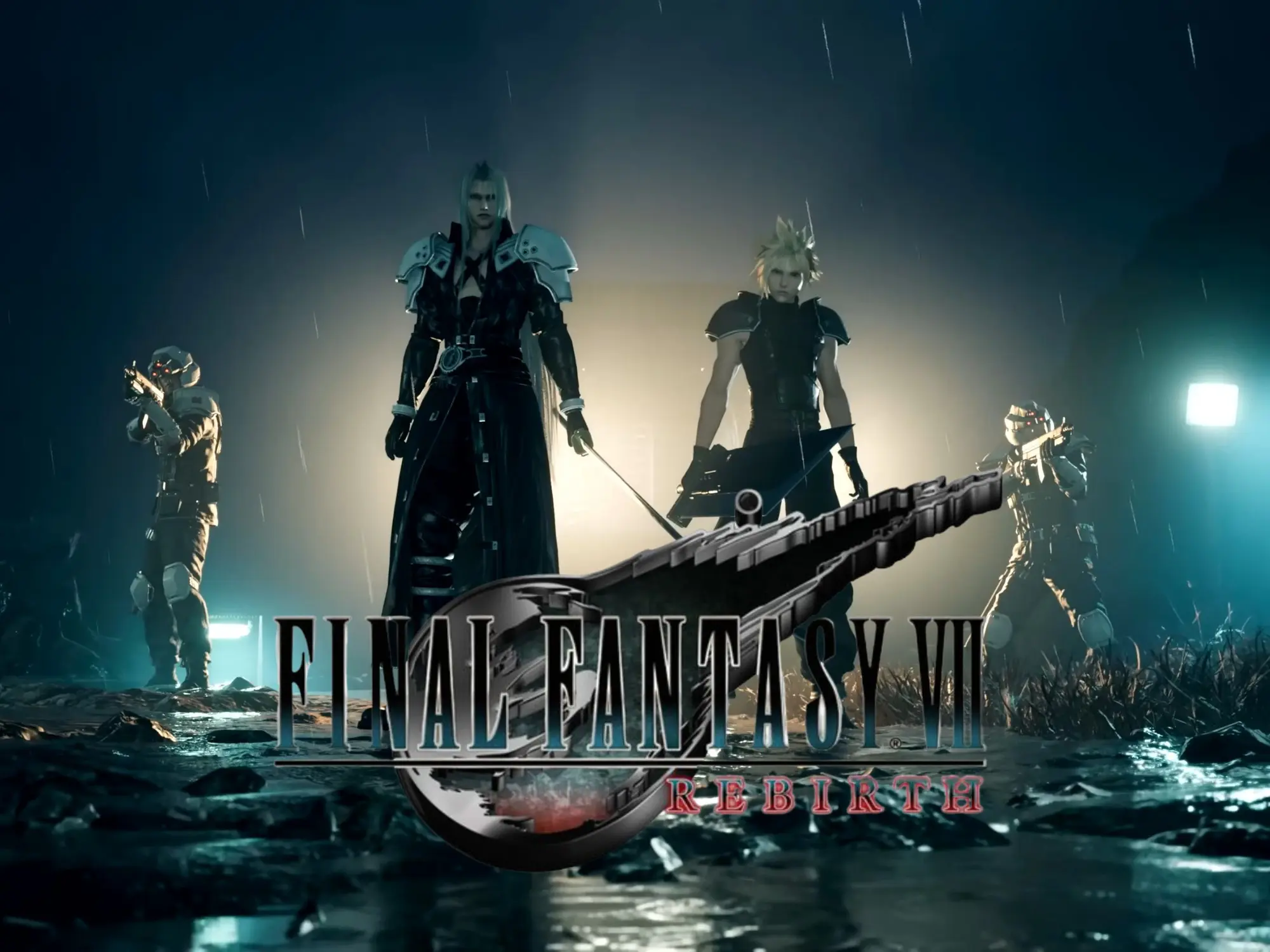
Final Fantasy 7 Rebirth’s arrival on Nintendo’s Switch 2 has sparked a debate over whether the ambitious open-world RPG can truly shine on the handheld. While the port shows clear improvements from its demo, a deeper look at multiple reviews reveals a mixed bag of visual enhancements and persistent performance challenges.
- The Switch 2 port aims for a 30fps target but still suffers frame rate drops into the 20s during intense battles.
- Docked mode leverages DLSS upscaling from 540p to 1080p, while handheld mode targets 576p with noticeable graphical cutbacks.
- Critics point out blurry textures, reduced draw distances, regular pop-in, and multiple crashes as key issues.
- The port holds an 86 Metacritic score, trailing behind the PS5 version’s 92 and Remake Intergrade’s 89 on the handheld.
Balancing ambition with Switch 2 hardware limits
Square Enix’s effort to bring Final Fantasy 7 Rebirth to the Switch 2 reflects a clear trade-off between visual fidelity and performance. The game targets a 30fps frame rate, a demanding goal for a handheld system, especially for an expansive open-world RPG. Digital Foundry’s technical analysis confirms improvements over the demo, with fewer stutters and better frame stability. Yet, frame rates still dip into the 20s during heavy combat sequences, revealing the system’s constraints.
Graphically, the game uses DLSS upscaling in docked mode, boosting resolution from a native 540p to a more acceptable 1080p. Handheld mode sticks to a modest 576p, but this comes with sacrifices. Pixelated hair, stripped-down foliage, and missing NPCs detract from immersion, signaling the hardware’s limits in rendering complex scenes.
Performance flaws disrupt immersion
Many reviewers highlight how these technical compromises affect gameplay. Texture blurriness and shortened draw distances expose the Switch 2’s hardware ceilings. More disruptive are frequent pop-in issues and enemy models that remain static until close proximity, breaking the seamless world experience expected from a flagship RPG.
Stability is another concern. Reports of multiple crashes during gameplay raise questions about optimization and polish. Despite director Naoki Hamaguchi’s stated efforts to streamline the port, these glitches persist, undermining player confidence in the platform’s readiness for such demanding titles.
Critical reception and long-term implications
Despite these issues, the port is widely regarded as a technical achievement given the Switch 2’s capabilities. An 86 Metacritic average reflects a positive but cautious reception, notably lower than the PS5 release’s 92 and the Remake Intergrade’s 89 on the handheld. This gap underscores the compromises made for portability and raises questions about the realistic expectations for AAA titles on hybrid consoles.
The Switch 2 port’s struggles highlight broader tensions in the gaming industry between pushing hardware limits and delivering polished experiences. For users, the trade-offs mean balancing the convenience of portable play against occasional visual and performance shortcomings. For developers and platform holders, it signals the ongoing challenge of optimizing complex, resource-heavy games for diverse systems without sacrificing core gameplay quality.
Via: Notebookcheck