Biometric security has mostly relied on fingerprints or facial recognition, but researchers are exploring new frontiers. One promising area is heartbeat-based user verification using earbuds. The idea is simple yet intriguing: your heart’s unique rhythm could identify you as reliably as your fingerprint.
- Earbuds like AccLock use accelerometers to detect heartbeat patterns.
- Tests show around 3% error rates for false acceptance and rejection.
- Performance improves when sitting still but degrades with movement.
- Apple’s Face ID remains more accurate but heartbeat tech offers hands-free potential.
Heartbeat Recognition Uses Existing Earbud Sensors
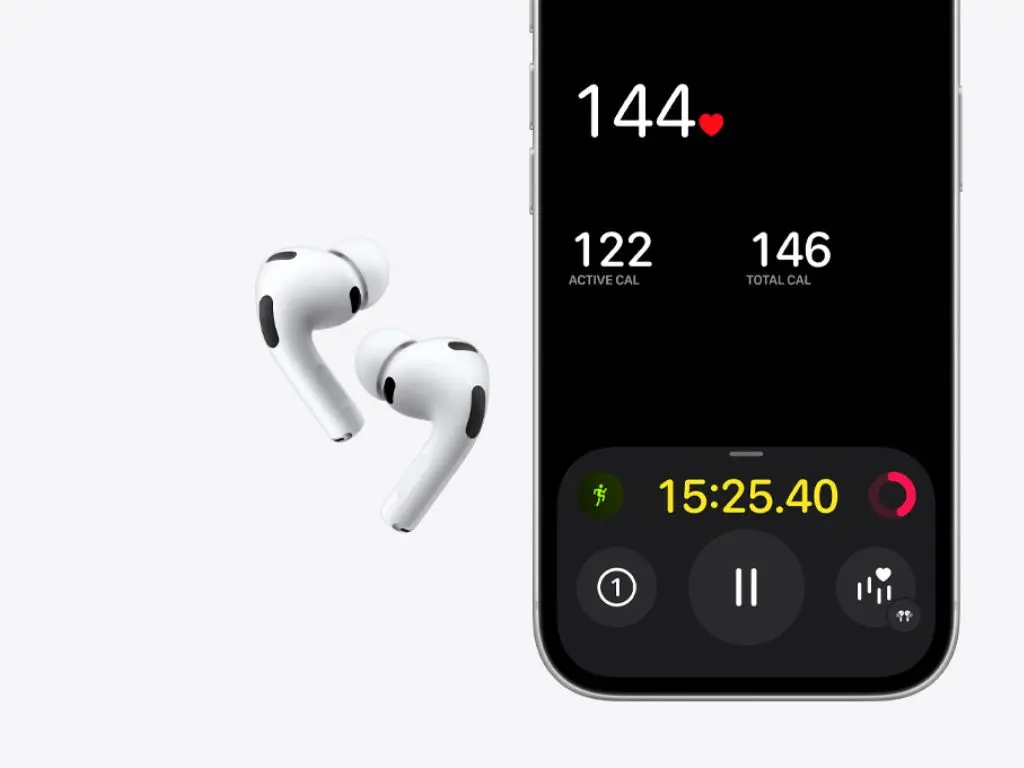
The AccLock system leverages accelerometers already found in many wireless earbuds, such as Apple’s AirPods. These sensors pick up subtle vibrations caused by your heartbeats inside the ear canal. Unlike fingerprints or faces, heartbeat patterns are passive and constantly present, requiring no active user input.
This approach could enable seamless, continuous authentication without interrupting your listening or other activities.
Accuracy Works Best When You’re Still
In controlled tests with 33 participants, AccLock achieved a false acceptance rate (FAR) of 3.13% and a false rejection rate (FRR) of 2.99%. This means roughly 3 out of 100 attempts were either incorrectly allowed or denied.
The system performed better when participants were sitting or moving their heads gently, but accuracy dropped significantly during walking, jogging, or jaw movement. Such vibrations interfere with the heartbeat signal, reducing reliability.
Face ID Still Leads in Security
Apple’s Face ID boasts a FAR of about one in a million, making it far more secure than early heartbeat verification prototypes. However, Face ID requires a camera and line of sight, while heartbeat-based verification could work more discreetly and continuously.
The trade-off is accuracy versus convenience. Heartbeat verification might not replace current biometric methods but could complement them in specific contexts.
When Could Heartbeat Verification Matter?
As earbuds become more integral to daily life, embedding biometric verification could add a layer of security without extra hardware or user effort. This might be particularly useful for quick device unlocks, secure payments, or privacy-sensitive applications.
However, AccLock is still in early research stages with no commercial products available. Regional availability and product integration remain unknown at this point.
The bigger question is whether heartbeat verification can overcome its sensitivity to movement and environmental noise to become a practical everyday solution.
Consider It If You Want Seamless, Passive Authentication
Heartbeat-based earbuds could offer convenient security that works quietly in the background, especially when you spend time sitting or in controlled settings.
Skip it if you need consistently reliable authentication during active use or in noisy environments, where current implementations struggle.
(Via)