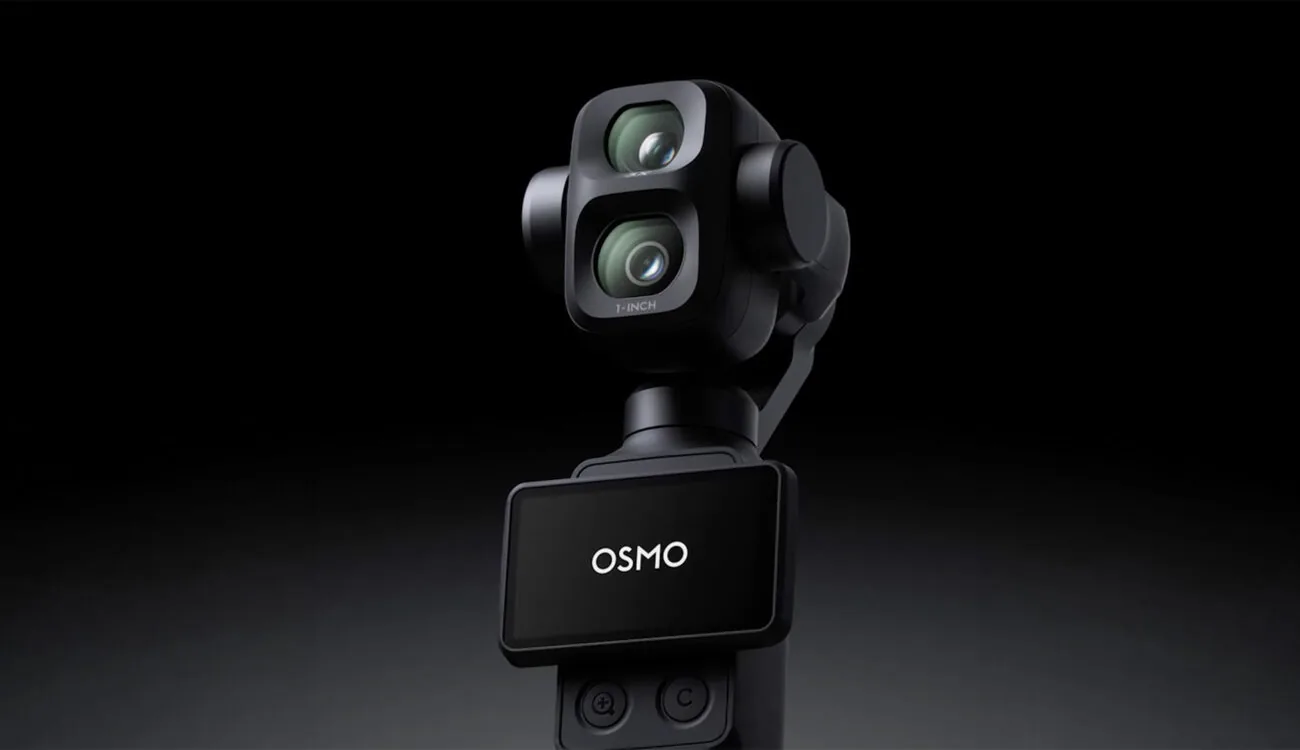
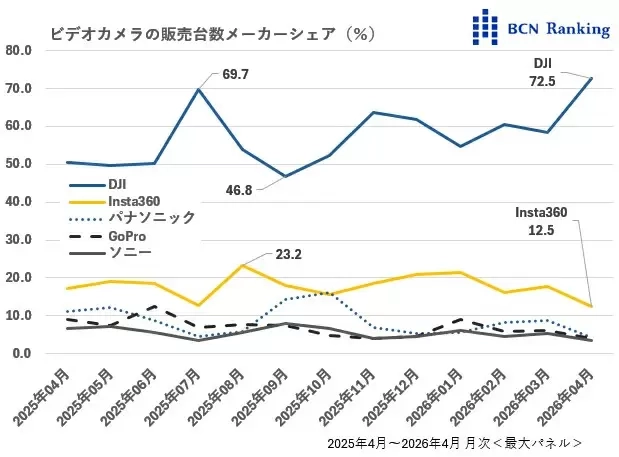
DJI has solidified an unexpected grip on Japan’s video camera market, now commanding over 70% of sales. This surge matters because it signals a shift in what consumers want: compact, stabilized cameras over traditional bulky setups.
- DJI controls 72.5% of Japan’s video camera market, per BCN Ranking data.
- Osmo Pocket 4 grabbed 21.5% of video camera sales within nine days of launch.
- Japan’s video camera sales jumped 158.1% year-over-year in April 2026.
- Compact, stabilized cameras are driving market growth among vloggers and travelers.
Flagship Power, Mid-range Compromises: What DJI’s Market Share Really Means
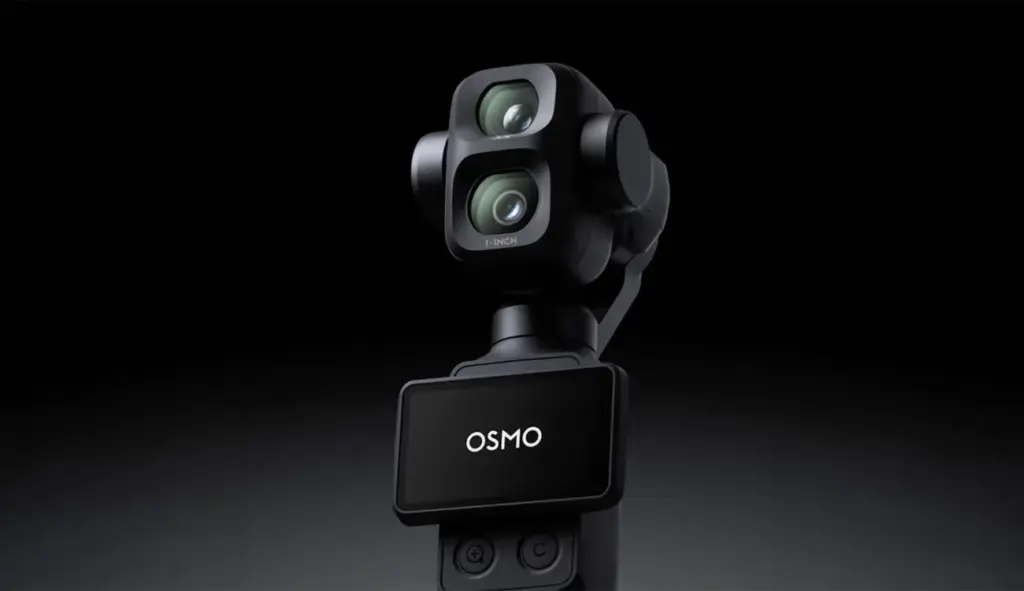
DJI’s dominance in Japan isn’t just a fluke—it’s the result of smart product placement. The Osmo Pocket 4 lineup, especially the standard model, has taken off fast, showing there’s still appetite for pocket-sized cameras with built-in stabilization. But don’t mistake this for a complete disruption of the market. DJI’s share comes mostly from compact models that appeal to creators who find smartphones lacking but don’t want to lug mirrorless rigs.
The catch is simple: these cameras trade off some image quality and lens flexibility for portability and ease of use. For many, that’s a worthwhile trade. For professionals, probably not.
Three Hours to Full Charge? That’s the Trade-off You’re Signing Up For
The Osmo Pocket 4’s specs suggest a decent battery life, but real-world use—shooting stabilized video with the screen on and possibly connected to 5G—will drain juice faster than you expect. DJI doesn’t openly admit this, but anyone relying on all-day recording will need spare batteries or frequent breaks.
Charging times haven’t been officially detailed, but early reports hint at a couple of hours for a full charge. That’s not terrible, but it’s not impressive either, especially for a device aimed at creators on the move.
Vloggers and Travelers: The Sweet Spot for DJI’s Osmo Pocket Series
The Osmo Pocket series isn’t just stealing market share—it’s growing the market. Japan’s overall video camera sales jumped 158.1% year-over-year in April, fueled by creators wanting better quality than phones but less hassle than traditional cameras. The Osmo’s combination of smooth footage and simple controls fits this niche perfectly.
Social media creators, travelers, and casual videographers find these devices useful because they don’t require technical expertise or bulky setups. The Osmo Pocket 4P and even older Pocket 3 models still rank highly, underlining that the entire lineup is hitting the right notes.
GizmoIndo’s Take
DJI’s rapid rise in Japan’s video camera market signals a broader trend: the demand for compact, user-friendly stabilized cameras is reshaping the landscape. Established brands still dominate high-end and interchangeable lens segments, but DJI’s success shows where the casual and semi-pro crowd is headed.
However, buyers should keep expectations in check. These devices excel in portability and stabilization but aren’t a substitute for full-featured cameras. Battery life and charging speed remain weak points that DJI hasn’t fully addressed.
For creators prioritizing convenience over absolute image quality, DJI’s Osmo Pocket 4 is a strong contender. For everyone else, this is a reminder that the market is fragmenting fast—and smaller doesn’t always mean better.
(Via)