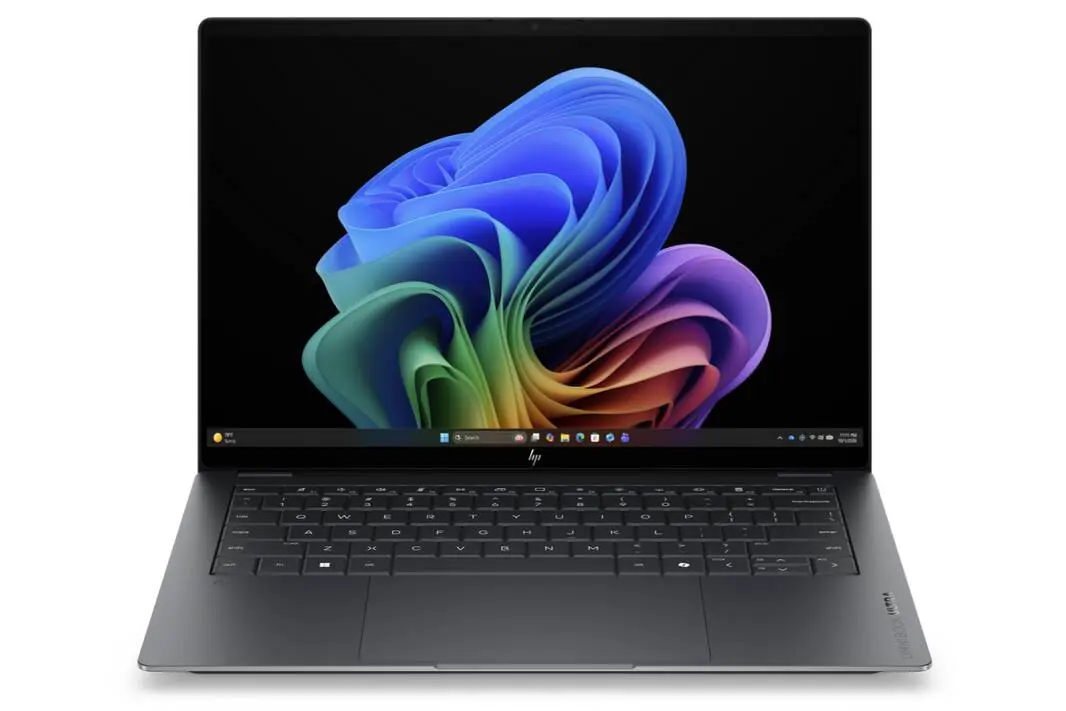
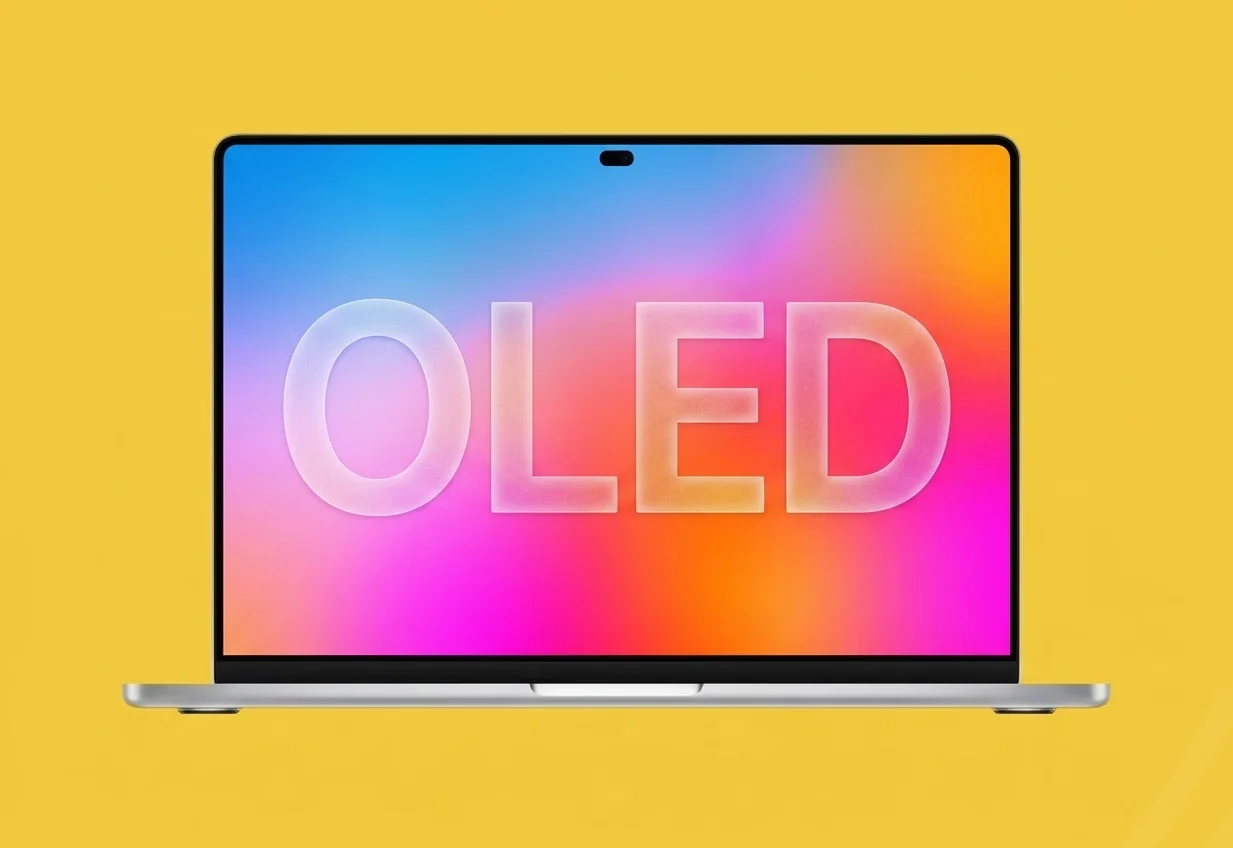
Apple’s switch to OLED screens for its 14-inch and 16-inch MacBook Pro models is reaching a crucial stage, as Samsung Display has reportedly surpassed 90% production yield on its Gen 8.6 OLED line. This level of efficiency is a strong sign that OLED panels for MacBooks are ready for large-scale manufacturing, with shipments possibly starting as early as June 2026.
- Samsung’s OLED line achieves over 90% yield, enabling mass production.
- OLED panels will use advanced tandem two-stack tech and oxide TFT backplanes.
- One MacBook Pro model might introduce touchscreen functionality.
- Launch expected around early 2027, though a late 2026 release remains possible.
Advanced OLED Tech Aims for Better Power and Durability
The OLED panels destined for the MacBook Pro are more sophisticated than typical smartphone displays. They employ “tandem two-stack” technology, previously seen in the latest iPad Pro, which enhances brightness and longevity. Additionally, oxide thin-film transistor backplanes improve power efficiency, an important factor for battery life in laptops.
Hybrid encapsulation also boosts durability, which is crucial for laptop screens exposed to daily wear. These engineering choices suggest Apple is prioritizing not just image quality but also practical performance and endurance.
Touchscreen Could Be a New MacBook Pro Feature
Industry reports indicate that at least one upcoming MacBook Pro model—likely the rumored MacBook Ultra—will support touchscreen input. This would mark a notable shift for Apple’s Mac lineup, which has traditionally avoided touchscreens in favor of trackpads and keyboards.
For users who value interaction flexibility, this could open new workflows, especially in creative or productivity tasks. However, the touchscreen option might come with trade-offs in price or battery life, so buyers should consider their specific needs.
Launch Timing Depends on Chip Supply and Production Scale
Initial forecasts pointed to a late 2026 release, but ongoing chip shortages have pushed expectations toward early 2027. Still, Samsung’s production progress increases the chances Apple could meet its usual fall launch window.
Availability and pricing will likely vary by region once these OLED MacBooks arrive. Buyers planning upgrades should watch for official announcements and consider whether the OLED improvements and potential touchscreen justify waiting over current models.
The trade-off is timing. Those who need a new laptop soon may find current MacBook Pros sufficient, while others who prioritize display quality and new features might benefit from holding out for the OLED versions.
Consider it if you want a laptop with potentially better power efficiency, improved screen durability, and touchscreen capabilities. Skip it if you prefer an immediate purchase or are sensitive to potential price hikes associated with new display technology.
(Via)