
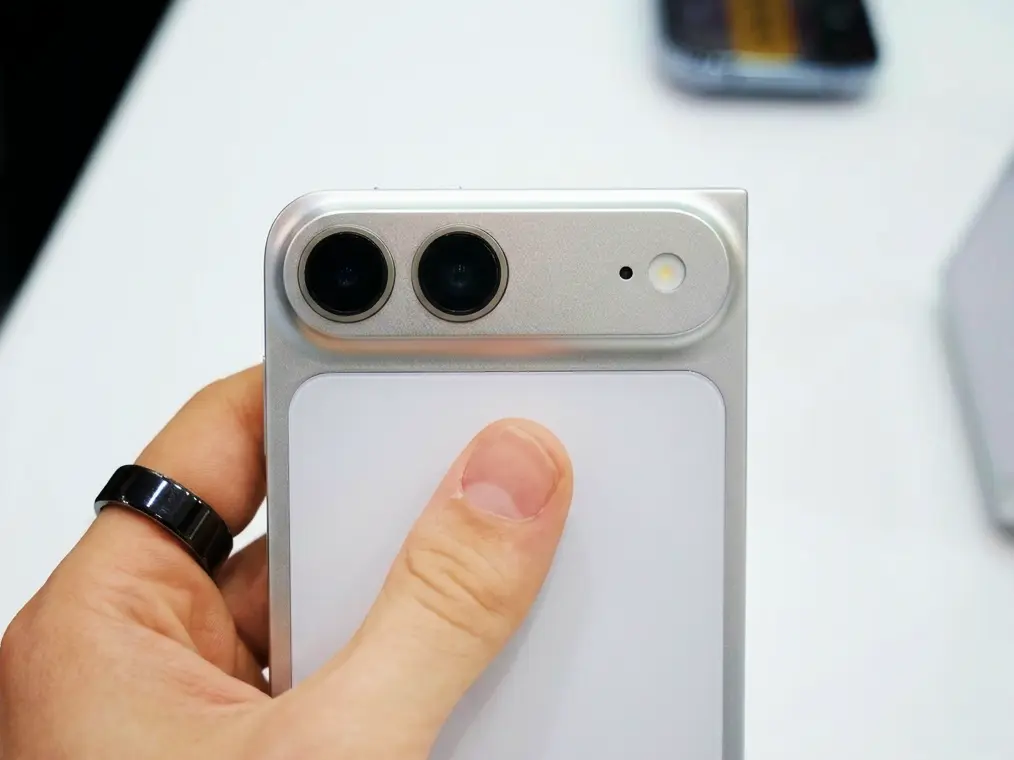
Apple’s forthcoming foldable iPhone Ultra is encountering production challenges that could complicate its launch plans. While the company aims for a September 2026 reveal, recent supply chain reports highlight issues that extend beyond the often-discussed hinge durability.
- Mass production is facing low yields due to difficulties in surface-mount technology (SMT), a critical process for mounting components on circuit boards.
- Durability problems with the custom hinge have been reported but aren’t expected to delay the launch directly.
- Price negotiations with assembly partners and a possible delay of 1-2 months add uncertainty to the timeline.
SMT Issues Are a Less Visible but Crucial Bottleneck
SMT complications refer to challenges in the assembly of tiny electronic parts on the foldable iPhone’s printed circuit boards. This pre-assembly phase is crucial because it affects the overall production yield and quality standards Apple demands. Unlike hinge problems that are more visible, SMT issues are technical and harder to address quickly, potentially slowing down manufacturing ramp-up.
For buyers, this means the foldable iPhone Ultra could face limited initial availability or higher prices due to constrained supply and complexity in production.
The Hinge Problem Isn’t the Whole Story
Previous leaks suggested Apple’s custom hinge mechanism was failing durability tests under frequent folding stress. However, insiders now indicate this isn’t the primary cause of current delays. Apple likely has engineering solutions in place, but the bigger question is whether these hinge fixes will affect long-term reliability or add to production costs.
High Price Reflects Advanced Technology and Complexity
The foldable iPhone Ultra reportedly carries a starting price around $2,000, reflecting its premium hardware. It will offer a 7.8-inch main foldable display and a 5.5-inch external screen, a first 2nm A20 Pro chip, side-mounted Touch ID, and a dual-camera system. This combination targets early adopters and Apple enthusiasts willing to pay a premium for new form factors.
The trade-off is capacity and cost. While the device introduces innovation, buyers who want a reliable and widely available foldable phone might still prefer established models with more predictable supply and mature technology.
September Launch Is Still Possible but Not Guaranteed
Despite the production hurdles, top analysts and Bloomberg’s reports still expect Apple’s foldable iPhone Ultra to debut alongside the iPhone 18 Pro series this September. However, final timing depends heavily on how quickly the SMT problems are resolved and whether assembly partners can meet Apple’s stringent quality requirements.
Prices and availability will likely vary by region, especially in the early months after launch. Consider it if you want to explore Apple’s take on foldables and can accommodate a premium price and possible supply constraints. Skip it if you prioritize immediate availability or a lower price point in the foldable segment.
(Via)