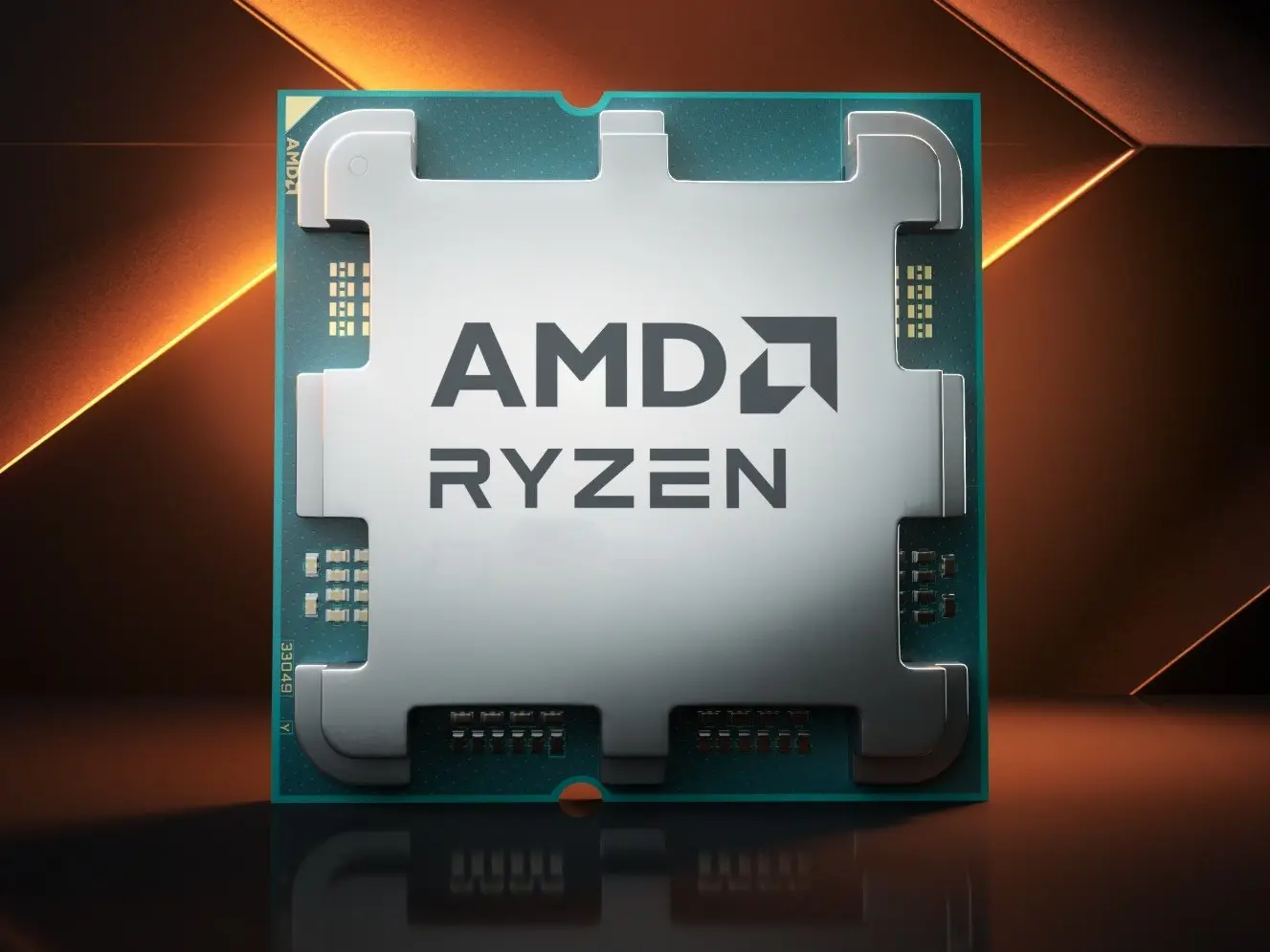
AMD is preparing for its next-generation Zen 7 CPUs to arrive around 2027-28, promising significant jumps in core counts and cache sizes. But the bigger question is how AMD will balance manufacturing costs and chip performance while using TSMC’s new A14 semiconductor node.
- Zen 7 CCD chips will support up to 16 cores and 224 MB of L3 cache with 3D V-cache.
- TSMC’s A14 node enables advanced packaging but lacks backside power delivery support.
- Samsung Foundry may handle some Zen 7 components like IO dies to manage costs.
- Zen 7 server CPUs (Epyc Florence) could feature up to 288 physical cores.
The 1400+ Core Dreams Start with 16-Core CCDs
One of the key details emerging is that a Zen 7 compute chiplet (CCD), codenamed Grimlock, can pack up to 16 cores and a massive 224 MB of L3 cache thanks to 3D V-cache technology. This is a clear step up from the current Zen 6 plans and sets the stage for AMD’s ambitious Epyc server lineup, Florence, which may combine multiple chiplets to reach 288 cores. For consumers, Zen 8 might follow about a year later, benefiting from this foundation.
Why TSMC’s A14 Node Makes Sense, But Has Limits
TSMC’s A14 node is a logical choice for AMD’s Zen 7 CCDs, offering improvements like Fan-Out Panel-Level Packaging (FOPLP) for efficient power and performance. However, unlike newer nodes such as Intel’s 18A, A14 does not support backside power delivery, a feature that improves power efficiency by supplying power from the back of the chip. This means AMD might not fully exploit all power-saving technologies with this node, which could affect efficiency margins compared to competitors.
Splitting Manufacturing Between TSMC and Samsung
To keep costs manageable, AMD is likely to split production. While TSMC’s A14 will handle the high-performance CCDs, Samsung Foundry may produce less critical components like IO dies and Infinity Fabric links. This approach helps AMD avoid the premium costs of fabricating everything on a cutting-edge node, especially as TSMC wafers at A14 are expected to be expensive. However, using multiple foundries adds complexity and may affect supply consistency.
Pricing and Availability Implications
These manufacturing choices suggest AMD’s Zen 7 CPUs won’t be cheap, particularly the server-grade Epyc chips. For international buyers, availability might vary depending on regional supply chains and foundry allocations. The trade-off is cost versus performance, with AMD aiming to maintain competitive pricing against Intel’s evolving 14A process products.
Consider It If You Need High-Core-Count Server Power
Zen 7 looks promising for enterprises needing vast parallel processing capabilities and large cache sizes. It makes sense for workloads like data centers and scientific computing. Skip it if you prioritize maximum power efficiency or budget constraints, as the node’s limitations and complex manufacturing may translate to higher costs and power consumption.
(Via)