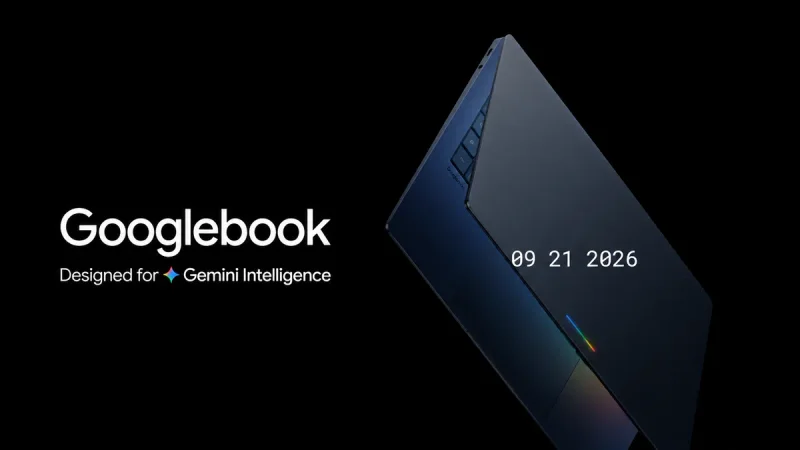
Google is launching its new Googlebook laptop lineup, a premium family of devices running desktop-optimized Android to bridge mobile and desktop productivity. Built by Acer, Asus, Dell, HP, and Lenovo, pre-orders are live now before an October 4 US release. Global pricing has not yet been announced.
For years, Android tablets and Chromebooks have coexisted with varying degrees of success in the productivity space. Googlebooks represent a unified shift, offering high-end hardware specifications standardized across all manufacturers. Rather than relying on ChromeOS, these machines run on a core Android architecture designed for multi-window multitasking, native on-device artificial intelligence via Gemini, and deep integration with mobile ecosystems.
Standardized Premium Hardware Across the Board

Unlike traditional Chromebooks, which often target budget-conscious educational and enterprise markets, the Googlebook ecosystem focuses strictly on premium hardware. Google has established a strict baseline of technical specifications that every manufacturer must meet. Every Googlebook features a minimum of 16 GB of RAM (configurable up to 32 GB) and storage options starting at 256 GB or 512 GB.
To handle local AI workloads, each laptop is equipped with a dedicated neural processing unit (NPU) capable of delivering over 40 TOPS (Trillion Operations Per Second). This hardware powers the integrated Gemini Intelligence, allowing users to process complex AI tasks locally without relying constantly on cloud servers.
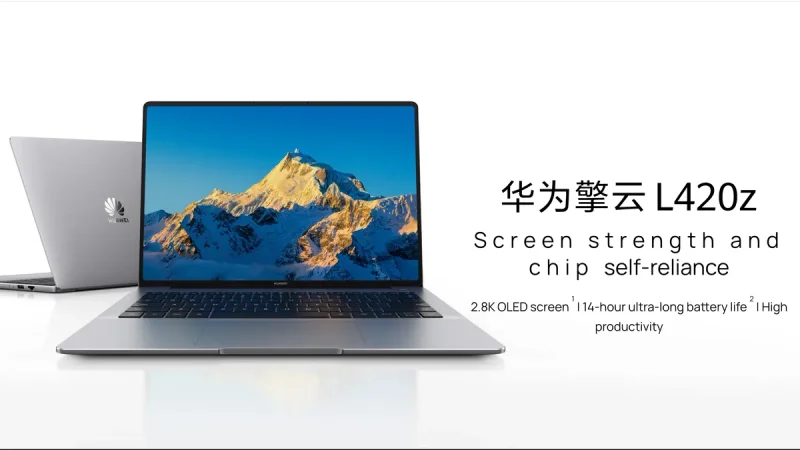
The physical standards are equally high. Every model comes with a 2.8K resolution touch display, a haptic touchpad, a backlit keyboard, and a premium chassis crafted from materials like aluminum, magnesium alloy, or carbon fiber. Battery life is rated for up to 14 hours of continuous video playback or up to 16 hours of standard web browsing, addressing a major pain point for mobile professionals.
The Glowbar and Desktop-Optimized Android

One of the most distinct physical traits of the Googlebook lineup is the RGB Glowbar. This integrated light strip displays specific color patterns during the system boot process, indicates battery levels, and visualizes real-time interactions with Gemini. Google is opening up SDK access for the Glowbar to third-party developers, which will allow custom software to trigger interactive light animations for notifications, rendering progress, or gaming events.
On the software front, the desktop-optimized Android core provides a familiar interface with a taskbar, windowed application management, and advanced keyboard-and-mouse navigation. The goal is to provide a smooth transition for users who rely heavily on Android applications on their smartphones, allowing them to run those same apps natively with desktop-class performance and layout scaling.

Launch Partners and Market Availability

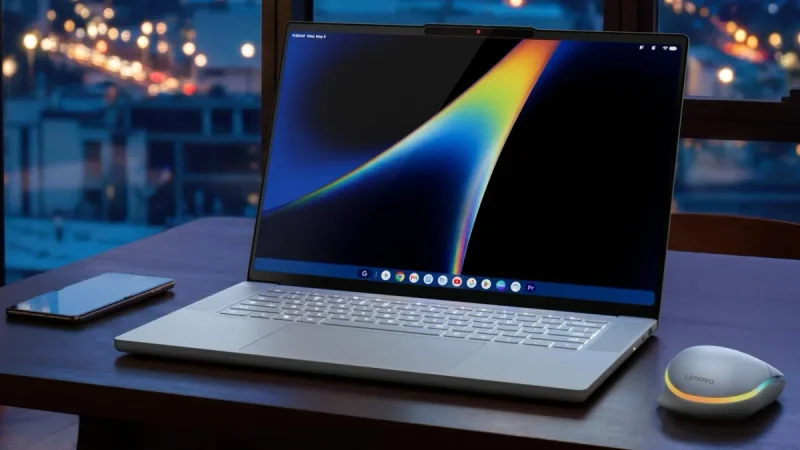
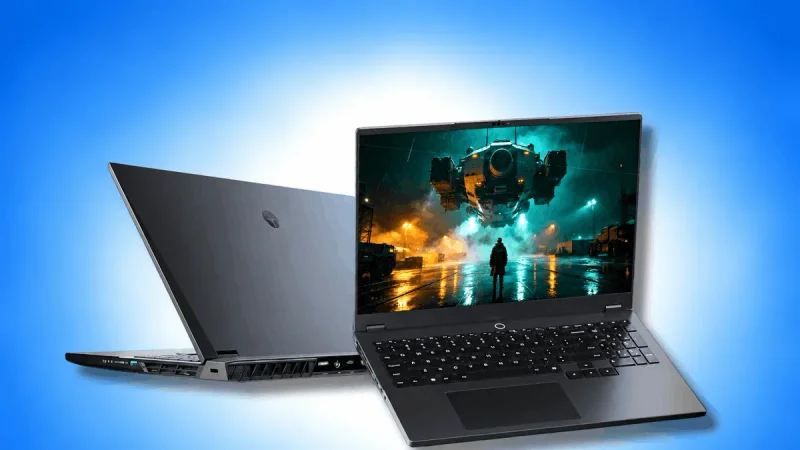
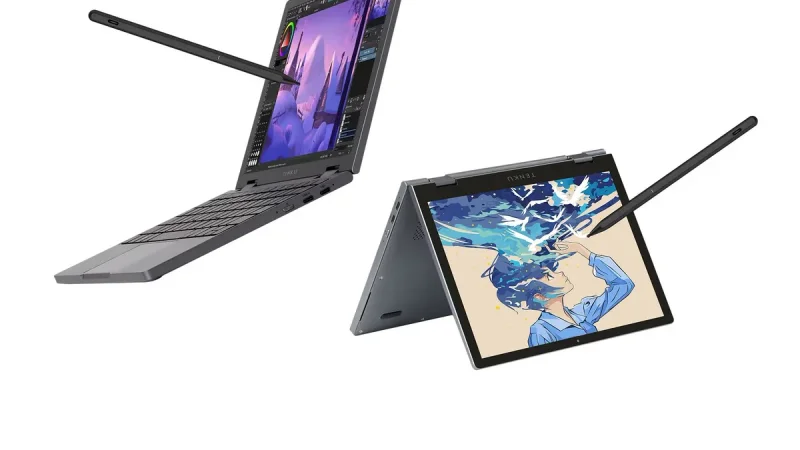
The initial wave of Googlebooks includes five distinct models, each bringing a slightly different form factor to the ecosystem. The Acer Googlebook 14 stands out as the only convertible 2-in-1 design in the group, offering tablet-like flexibility. Asus and HP are both delivering traditional 14-inch clamshell models, while Dell is introducing a premium variant under its XPS branding. Lenovo rounds out the initial selection with a larger 15-inch model designed for users who require extra screen real estate.
Pre-orders for all five models are currently open. Retail availability is scheduled to begin on October 4 in the United States, followed by a release in select international markets on October 5. Although specific regional pricing tiers have not been announced, the standardized high-end specifications suggest these devices will compete directly with premium Windows ultrabooks and Apple MacBooks.