
Can Xbox regain its edge with third-party exclusives despite ongoing hardware shortages and slow console sales? Xbox CEO Asha Sharma suggests a strategic shift that could revive the platform’s appeal. However, supply constraints and a smaller install base compared to competitors pose significant hurdles.
- Microsoft aims to bolster Xbox exclusives with more third-party titles.
- Component shortages continue to limit Xbox console availability globally.
- Xbox’s smaller user base compared to PlayStation affects third-party developer interest.
- Historical Xbox success with third-party exclusives contrasts with recent challenges.
Reviving Third-Party Exclusives to Strengthen Xbox Ecosystem
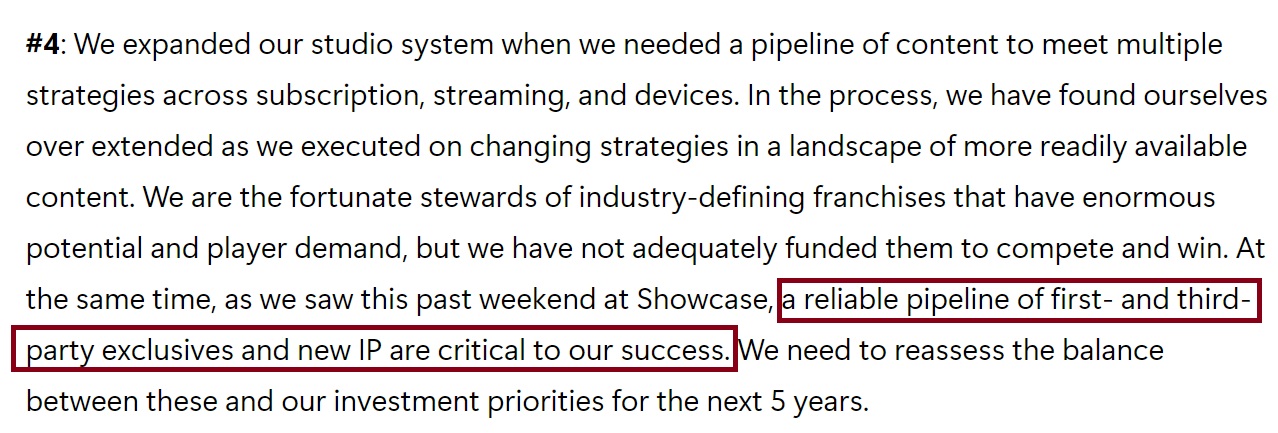
CEO Asha Sharma acknowledged in an internal memo that Microsoft has underinvested in its franchises. She emphasized the importance of a “reliable pipeline of first- and third-party exclusives and new IP” as critical to Xbox’s success moving forward. This signals a renewed focus on securing exclusive titles beyond Microsoft’s owned studios.
While the recent reintroduction of first-party exclusives like Gears of War: E-Day highlights Microsoft’s commitment to flagship franchises, Sharma’s comments hint at enticing third-party developers to commit exclusivity deals. The goal is to emulate the Xbox 360 era, which saw strong third-party exclusive hits such as Mass Effect and Dead Rising.
Hardware Supply Constraints and Market Realities
Despite strategic ambitions, Microsoft faces tangible challenges. A global shortage of storage and memory components has hit Xbox production hard, limiting the number of consoles available to consumers. This supply bottleneck undermines the potential reach of exclusive titles, as fewer players can access the platform.
Moreover, Xbox’s install base remains significantly smaller than PlayStation’s. This imbalance influences third-party publishers’ decisions, as multi-platform releases often yield higher returns. Some upcoming games like Phantom Blade Zero are reportedly skipping Xbox at launch, underscoring this market dynamic.
Legacy and Shifting Trends in Third-Party Exclusivity
Microsoft’s history with third-party exclusives was once a major strength. The original Xbox featured hits such as Star Wars: Knights of the Old Republic, developed by BioWare. The Xbox 360 era continued this trend with several successful exclusives, but the momentum waned during the Xbox One and Series X/S generations.
Recent titles like S.T.A.L.K.E.R. 2: Heart of Chornobyl illustrate that timed exclusives can still perform well, yet the overall number of third-party exclusives has declined. Microsoft’s new strategy aims to reverse this trend by fostering stronger partnerships and expanding exclusive offerings.
Potential Global Launch and Market Impact
Microsoft’s efforts to boost third-party exclusives arrive at a critical juncture. Addressing both hardware supply issues and attracting developers will be key to expanding Xbox’s market share globally. While the ambition is clear, actualizing these plans requires overcoming entrenched challenges in console availability and competitive dynamics.
For gamers and industry watchers, these developments could signal a revitalized Xbox ecosystem if executed effectively. However, the path ahead remains complex given the current market pressures.
Reference: Microsoft | Notebookcheck