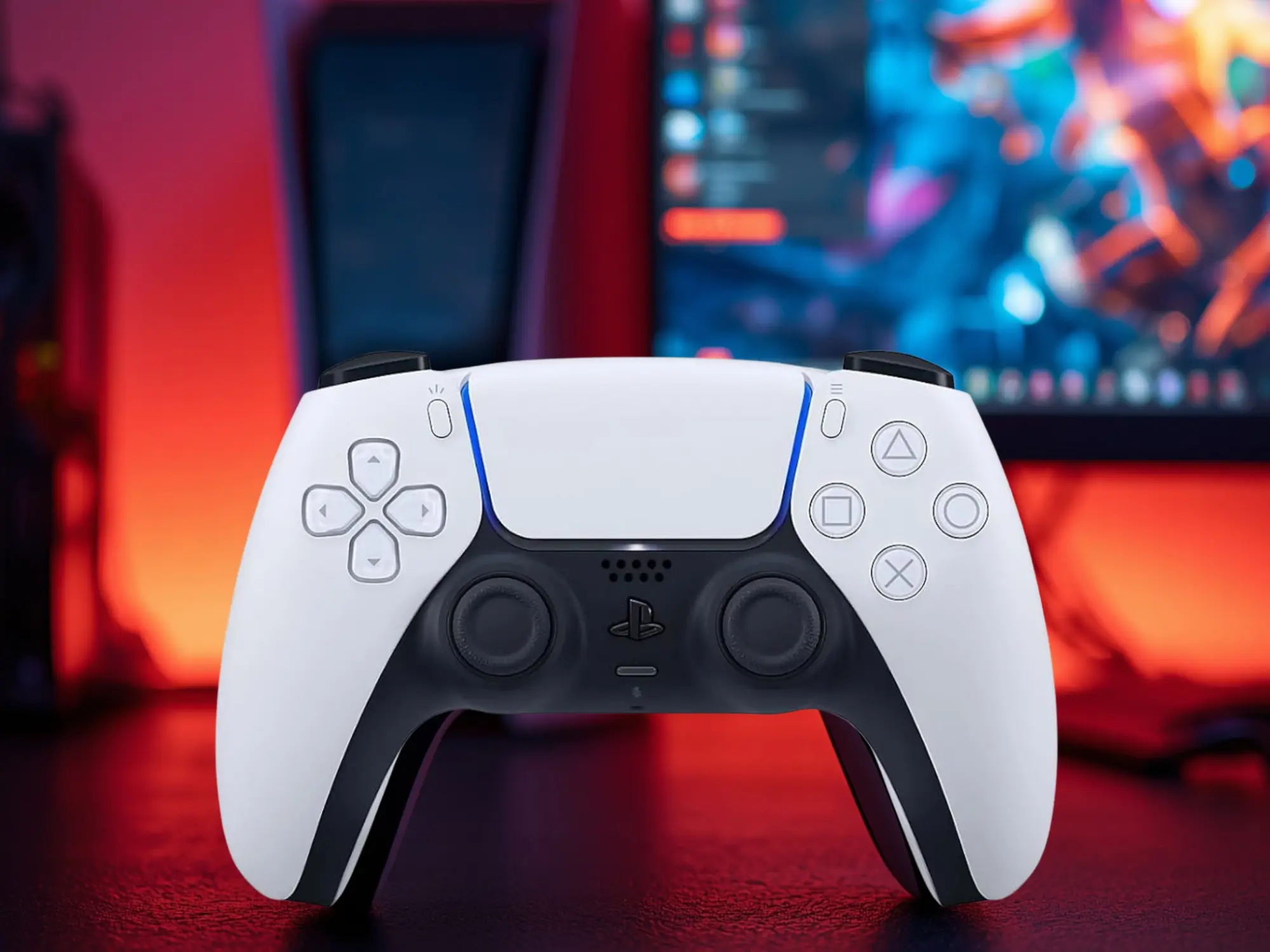
The PlayStation DualSense has long served as a preferred input device for PC gamers, yet it frequently required a tethered USB connection to unlock its full potential. A new update to the third party application DSX now bridges this gap, enabling advanced haptic feedback functionality over a wireless Bluetooth connection.
- DSX v3.2 Beta 01 now supports wireless haptic feedback for DualSense controllers.
- The base application is available for $7.99 on Steam.
- An additional $3.99 DSX+ DLC is required to access the new wireless haptic features.
- The software bypasses Windows limitations by simulating a wired device connection.
Overcoming Wireless Data Limitations
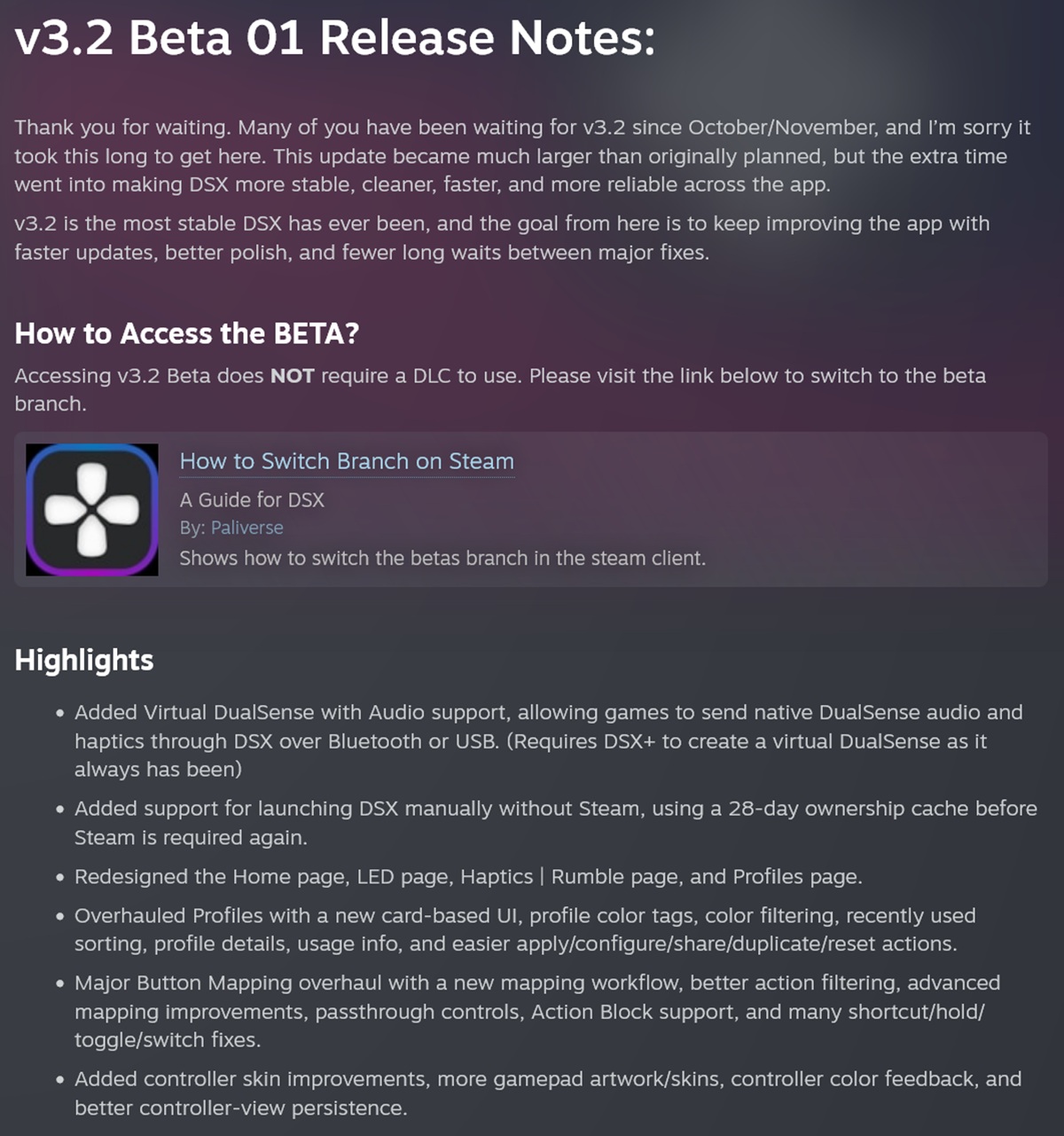
Standard Windows Bluetooth stacks struggle to transmit the high bandwidth audio streams required for the voice coil actuators inside the DualSense. While Xbox controllers have historically enjoyed plug and play compatibility with Windows, Sony users were forced to use wired configurations to experience the detailed feedback intended by developers. DSX v3.2 Beta 01 solves this by implementing a custom software layer that encapsulates haptic data, effectively tricking the system into recognizing the wireless controller as a wired peripheral.
Sony Is Not Yet Entirely PC Friendly
Despite Sony expanding its footprint in the PC hardware market with monitors and peripherals, official driver support for the DualSense remains basic. Gamers who utilize the controller on Windows often find themselves relying on community tools to replicate the native console experience. This software approach serves as a critical stopgap for those who prefer the ergonomics of the DualSense but demand the features typically reserved for console play.
Alternative Hardware Solutions
Beyond software, hardware projects are surfacing to address these connectivity hurdles. The DS5Dongle project utilizes a customized Raspberry Pi Pico 2 W wireless adapter to achieve similar results. By communicating directly with the controller and presenting itself to the PC as a virtual wired device, it enables both haptic feedback and adaptive triggers without relying on background software layers. These developments highlight a growing demand for parity between PC and console controller performance.
Source: NotebookCheck