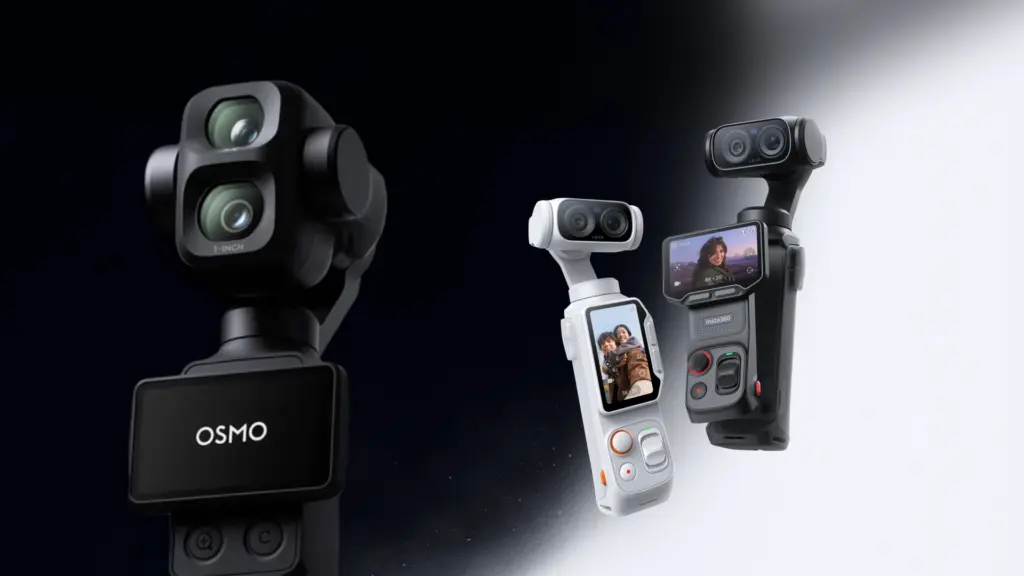
The rivalry between DJI and Insta360 has escalated into a major legal standoff in the United States. Shortly after the launch of the premium Luna Ultra, DJI initiated lawsuits alleging patent infringement. Insta360 responded quickly with countersuits, signaling a intense period for the pocket gimbal and vlogging camera industry.
- Insta360 launched the Luna Ultra featuring 8K recording and a modular design.
- DJI filed lawsuits in Texas seeking a sales ban on Insta360 products.
- Insta360 filed countersuits citing five utility patents for stabilization technology.
- The Luna Ultra is currently available at a price point of $770.
The Conflict Over Camera Innovation
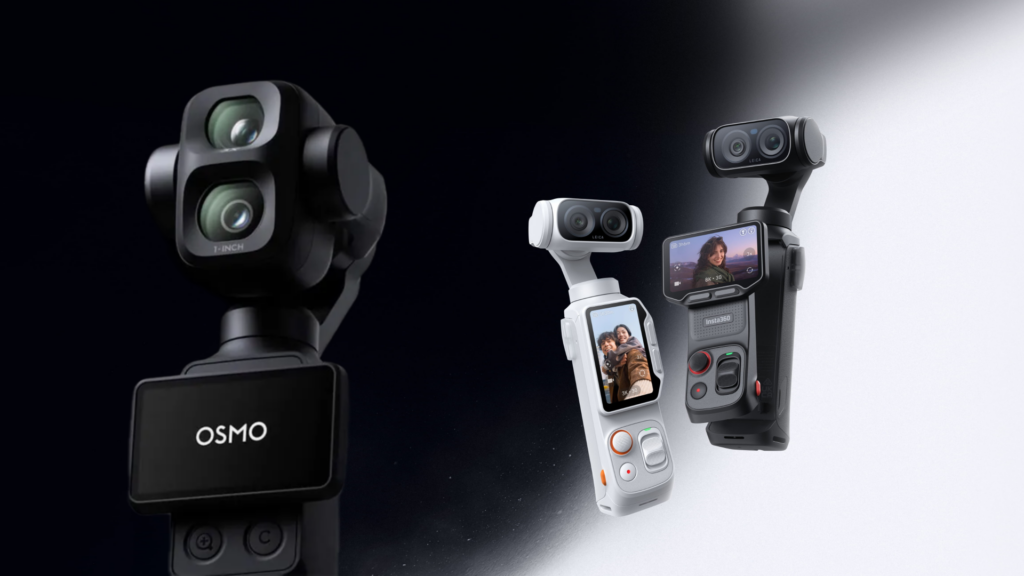
The tension peaked when Insta360 introduced the Luna Ultra on June 10, 2026. This device, developed alongside Leica, brings 8K video and 4K 120fps slow motion to the table. DJI claims the device infringes on design and utility patents linked to their own Osmo Pocket series. They are pushing for a permanent sales ban in the US market alongside requests for damages.
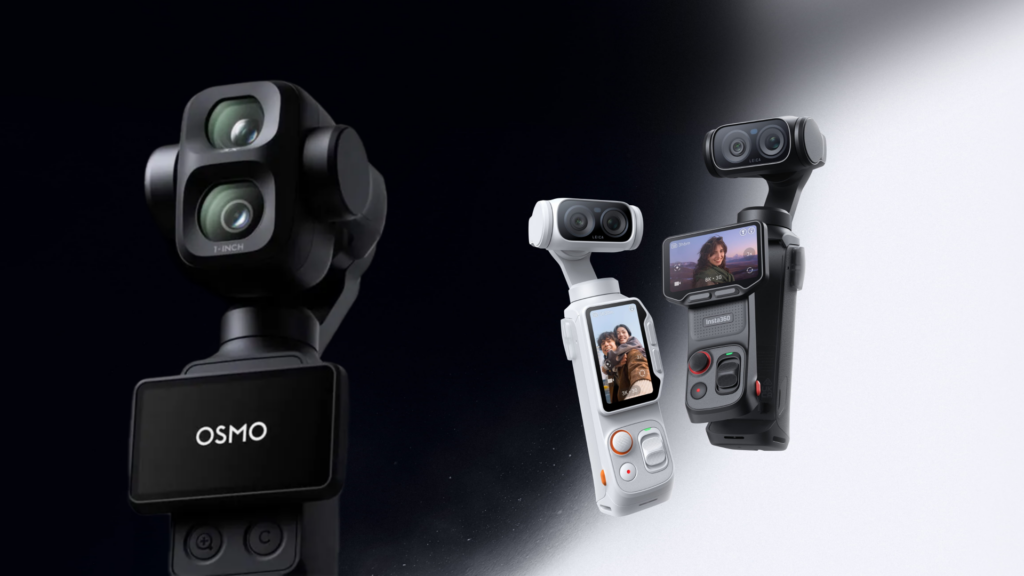
Insta360 wasted no time in its defense. By June 12, the company filed two countersuits. They allege that DJI products, including the Osmo Pocket, Ronin gimbals, and Osmo Mobile, infringe on five of their own patents. These specific technologies involve directional control, telemetry overlay, and panoramic video stabilization.
Defending Intellectual Property

Insta360 founder JK Liu addressed the situation with a firm stance on the company’s research history. He stated that the technology behind the Luna Ultra is the result of years of internal development dating back to 2020. Liu emphasized that their products are built on a foundation of proprietary innovation rather than copying existing designs.

For consumers, the Luna Ultra priced at $770 represents a significant entry in the high-end vlogging space. Its modular design and dual-lens configuration have already seen strong initial interest, with the device becoming a top seller in the US camcorder category on Amazon. The ongoing legal proceedings in Texas could have long-term implications for how these manufacturers approach new product development and global availability.
Source: Gizmochina