Linux developers are quietly revolutionizing how legacy hardware support is maintained by leveraging AI-assisted coding tools to sustain nearly two-decade-old AMD Radeon GPUs. This approach not only extends the lifespan of vintage graphics cards but also highlights a strategic shift in open-source software development amid resource constraints.
- AI tools like GitHub Copilot are employed to refactor and stabilize legacy GPU drivers.
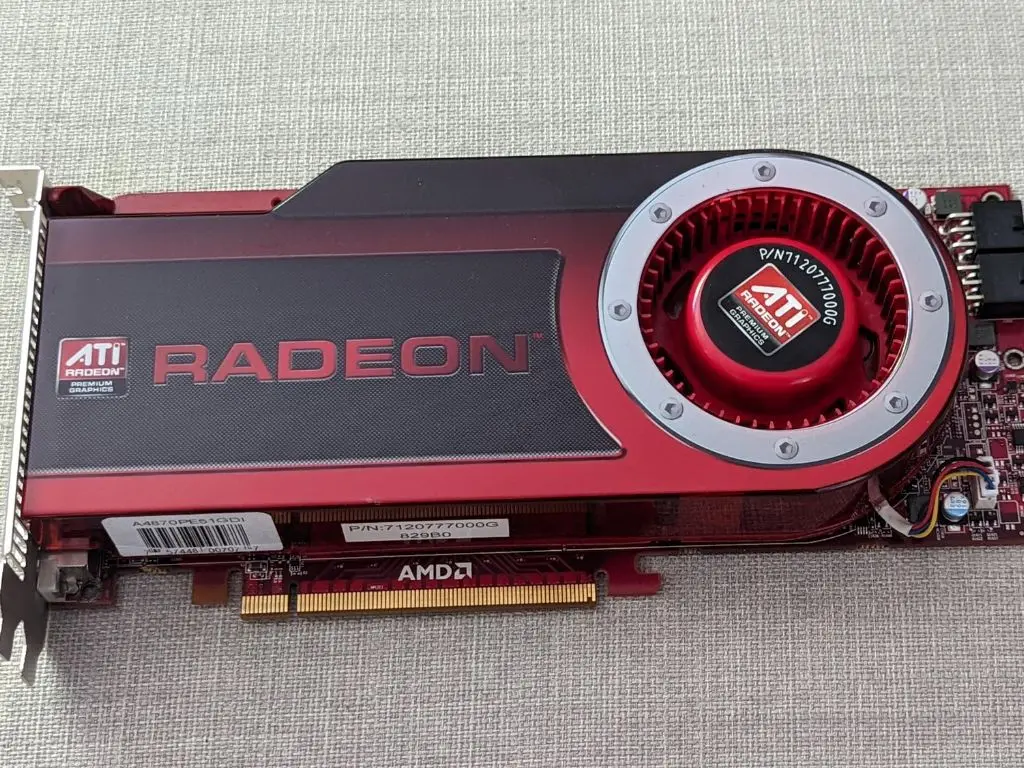
- AMD Radeon HD 2000 to 6000 series GPUs, launched between 2007 and 2010, receive ongoing support despite being obsolete.
- Developers maintain transparency by tagging AI assistance while retaining full accountability for code quality.
- The Linux kernel project endorses AI tools under strict policies ensuring human oversight and certification.
AI-Assisted “Vibe Coding” Breathing New Life into Legacy Drivers
Developer Gert Wollny spearheaded a significant overhaul in the Mesa 26.2 release, dedicating 59 commits to cleaning and refactoring the AMD R600 Gallium3D driver. By utilizing GitHub Copilot in auto mode, Wollny managed to improve the shader compiler code that supports AMD GPUs from the Radeon HD 2000 through HD 6000 series. This AI-assisted “vibe coding” approach enables developers to tackle complex refactoring tasks more efficiently, especially in projects with limited human resources.
Community-Driven Maintenance Amid Corporate Withdrawal
Since AMD ceased upstream contributions to these older GPU drivers, the responsibility for their upkeep has fallen on a small but dedicated group of open-source contributors and enthusiasts. Their work ensures that retro PC builders and gamers relying on these vintage GPUs continue to receive functional and stable driver support. Wollny’s recent contributions include adding NIR backend support and enhancing compute capabilities, demonstrating a commitment to modernizing legacy codebases.
Balancing Innovation and Accountability in Open-Source AI Usage
The Linux kernel project’s new policy embracing AI tools reflects a pragmatic acknowledgment of the technology’s potential. However, strict guidelines mandate that only humans can sign off on code submissions and certify compliance with the Developer Certificate of Origin. Transparency is maintained by requiring developers to explicitly credit AI assistance, ensuring that accountability for testing, reviewing, and final approval remains firmly human.
Implications for the Future of Legacy Hardware Support
This case exemplifies how AI can become an invaluable asset in sustaining legacy technology within open-source ecosystems. By reducing the barrier to maintaining complex, outdated drivers, AI tools help preserve hardware relevance and user choice beyond typical commercial support lifespans. However, this also raises questions about the long-term sustainability of volunteer-driven maintenance and the potential dependency on AI for critical code management tasks.
The strategic adoption of AI-assisted coding by Linux developers thus not only addresses immediate technical challenges but also signals a broader evolution in software stewardship, blending human expertise with machine intelligence to uphold legacy systems in a rapidly advancing digital landscape.
Reference: Notebookcheck.net