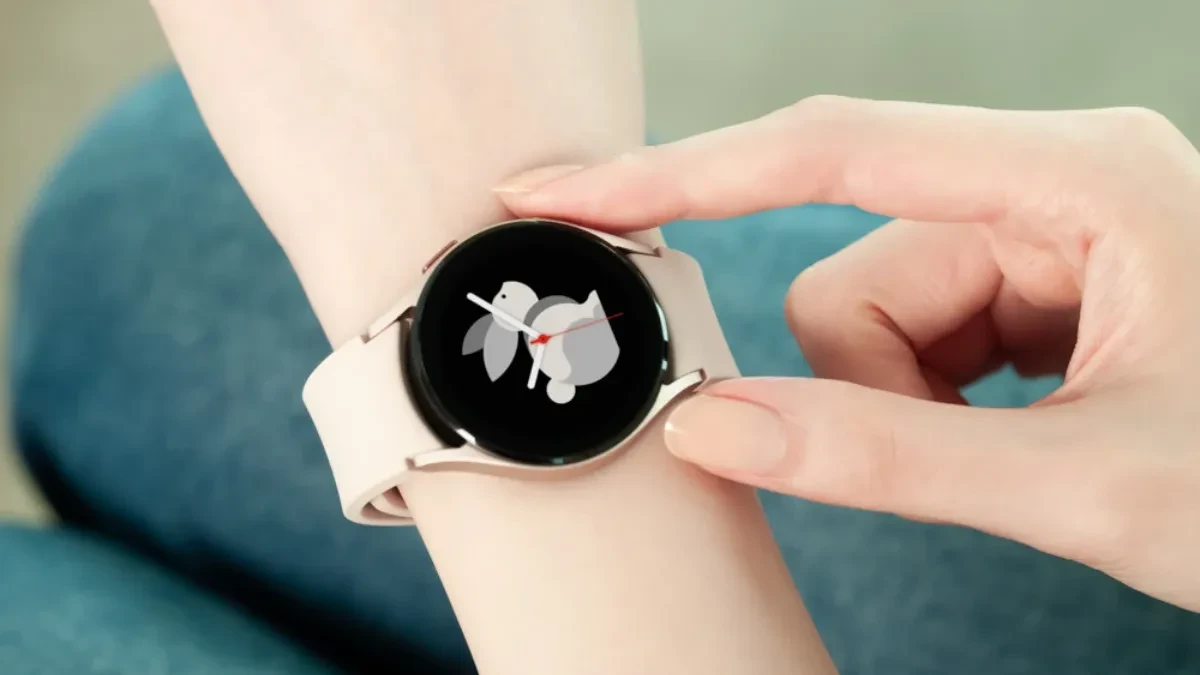
Samsung has officially concluded the software support lifecycle for the Galaxy Watch 4 and Galaxy Watch 4 Classic. According to the company's September 2026 security bulletin, both models have been removed from the list of supported devices, marking the end of an era for what was widely considered a pivotal release for the Wear OS platform.
When these watches launched, Samsung committed to four generations of major operating system upgrades. Having successfully delivered updates ranging from the initial Wear OS 3.5 to the final Wear OS 6 with One UI 8 Watch, the company has fulfilled its promise to early adopters. The August 2026 security patch serves as the final official software delivery for these wearables.
What This Means for Your Watch
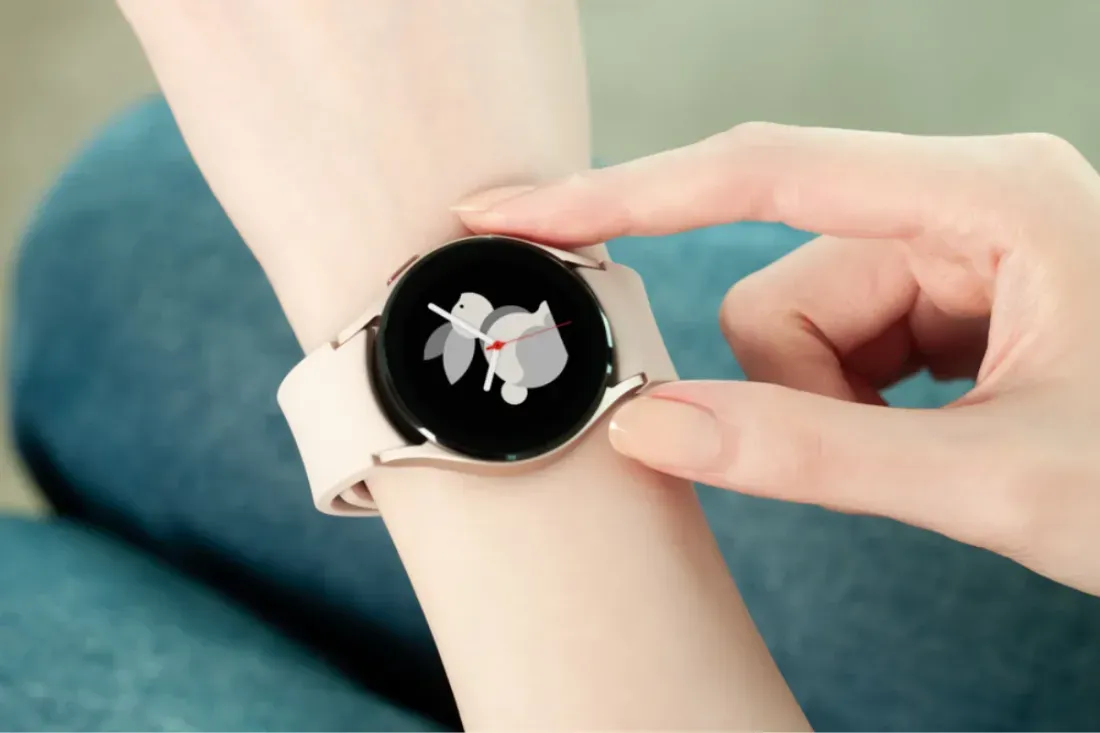
For current owners, the most immediate question is whether the device will stop functioning. The short answer is no. Your Galaxy Watch 4 will continue to operate exactly as it did yesterday. You can still track your workouts, monitor heart rate, and sync notifications with your smartphone without issue.
However, the lack of future security patches means the devices will become increasingly vulnerable to new exploits discovered by researchers. While this does not render the hardware useless overnight, it is a significant factor to consider for users who prioritize data security or rely on their watch for sensitive information like contactless payments via Samsung Wallet.
Moving Forward: Is It Time to Upgrade?
If you are still using a Galaxy Watch 4, you have enjoyed a remarkably long run for a smartwatch. Samsung has significantly improved its update policy since the Watch 4's debut, with newer models like the Galaxy Watch 9 and Galaxy Watch Ultra 2 now benefiting from a five-year support window for both One UI Watch and security updates.
Upgrading to a newer model provides not only the latest software features and improved efficiency but also the peace of mind that comes with active security maintenance. If your current watch is showing signs of battery degradation or sluggish performance, the current lineup offers more refined health sensors and faster processors that make for a meaningful leap in daily utility. While the Watch 4 remains a capable piece of hardware for basic tracking, the transition to a newer model is the logical step for those who want to stay within the secure, supported ecosystem of modern Android wearables.