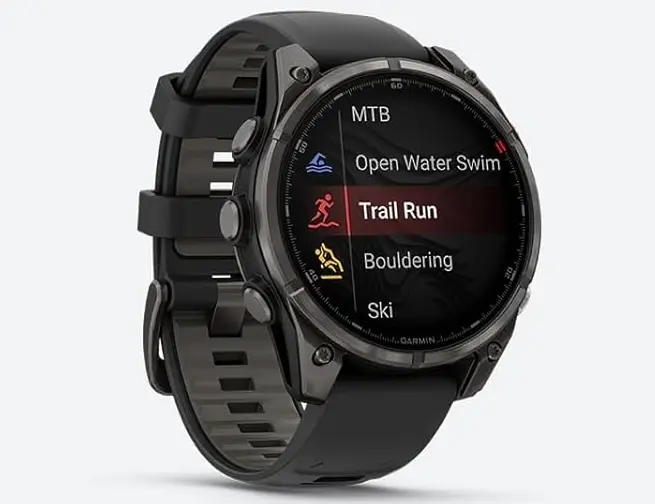
Garmin has recently adjusted its inReach satellite communication pricing, allowing users to pause subscriptions and place emergency calls for an effective price of $7.99, alongside an initial activation fee of $39.99. This update applies not only to various inReach devices but also to Garmin smartwatches supporting satellite communication.
- Garmin enables emergency calls at $7.99 by pausing inReach subscriptions, with a $39.99 activation fee
- The partial pricing change targets broader user groups, including those with Fenix 8 Pro and Quatix 8 Pro smartwatches
- Apple offers free satellite communication for two years post-purchase, likely without paywalls for emergency features
- Pricing differences could impact customer safety perceptions and Garmin’s reputation compared to Apple
Garmin’s pricing strategy risks alienating casual users
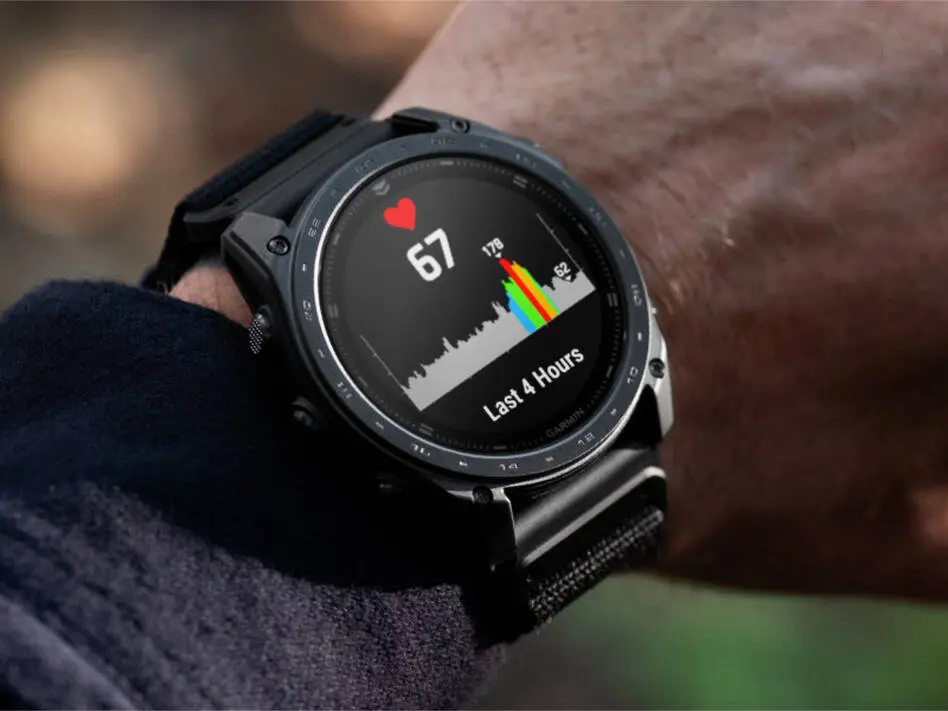
The recent pricing update by Garmin seems to focus on broadening access to emergency satellite communication. However, the $7.99 effective monthly cost, combined with a $39.99 activation fee, may still be a barrier for many users who purchase Garmin’s Fenix 8 Pro and Quatix 8 Pro smartwatches. Unlike the inReach handhelds, which appeal primarily to serious outdoor adventurers aware of subscription necessities, these smartwatches target average users who might not anticipate the need for satellite-based emergency calls.
Even seemingly low-risk activities such as short hikes or diving trips can quickly become dangerous in areas without cellular coverage. In such scenarios, having accessible, affordable emergency communication can be a critical factor between life and death. Garmin’s pricing model, which places emergency features behind a subscription paywall, may deter users from activating or maintaining these services, potentially exposing them to avoidable risks.
Apple’s approach sets a higher expectation for emergency communication
In contrast, Apple offers free satellite communication for the first two years after purchasing compatible devices, with no clear information yet on pricing beyond that period. The absence of immediate paywalls for essential emergency features positions Apple as more user-friendly and potentially life-saving in critical situations. This strategy not only enhances customer trust but also aligns with a broader social responsibility ethos, ensuring basic emergency communication remains accessible.
Given Apple’s vast global user base and reputation for integrating safety features seamlessly, Garmin’s comparatively restrictive pricing risks making the brand appear less considerate of user safety. The decision to monetize emergency calls may be perceived as putting profit over lives, especially when competitors offer more generous terms.
Long-term implications for Garmin’s brand and market position
Garmin’s partial pricing adjustment might avoid immediate revenue loss but could lead to significant reputational damage over time. Customers increasingly expect technology companies to prioritize safety and accessibility, especially for features that can save lives. If Garmin’s emergency communication remains behind a paywall while Apple and others offer more accessible options, potential buyers may reconsider their brand loyalty.
Moreover, the risk extends beyond individual tragedies. Negative perceptions could influence broader market dynamics, affecting Garmin’s position in the competitive smartwatch and outdoor device segments. The cost of lost trust and damaged reputation may far outweigh any short-term gains from subscription revenues.
Ultimately, Garmin’s approach highlights the complex trade-offs technology companies face when balancing business interests with user safety. While subscription models provide steady income, they can inadvertently restrict access to critical features, raising ethical and practical concerns that merit careful consideration.
Via: Notebookcheck