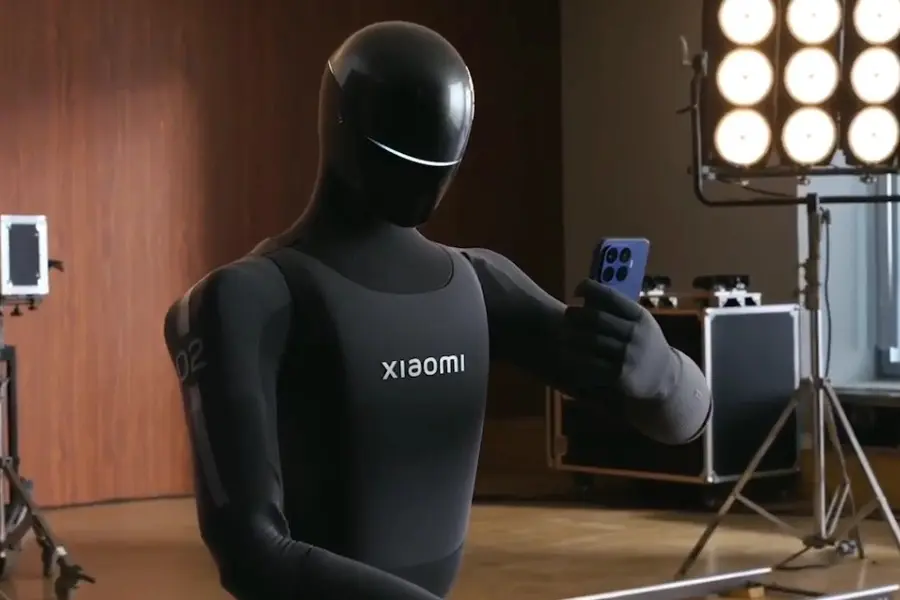
Ever wondered if a robot could step in and snap your photos with the finesse of a human hand? Xiaomi recently gave us a peek into that futuristic scenario during their latest product launch in China. Beyond unveiling the Xiaomi 17T series smartphones, the tech giant showcased its next-generation humanoid robot performing a surprisingly human-like task: operating a smartphone camera with a bionic hand.
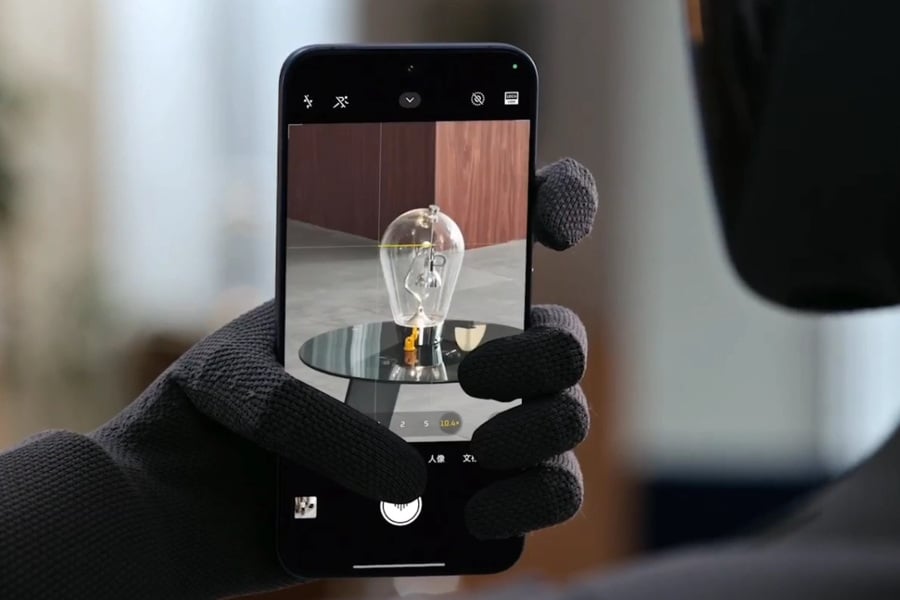
- The humanoid robot skillfully handled the Xiaomi 17T Pro, adjusting zoom and taking a photo.
- Xiaomi’s new bionic hand is 60% smaller and boasts 64% more degrees of freedom than before.
- The robot’s tactile sensors and heat management mimic human hand functions for extended use.
- Xiaomi aims to integrate these robots into real-world factory settings within five years.
When Robots Pick Up More Than Just Phones
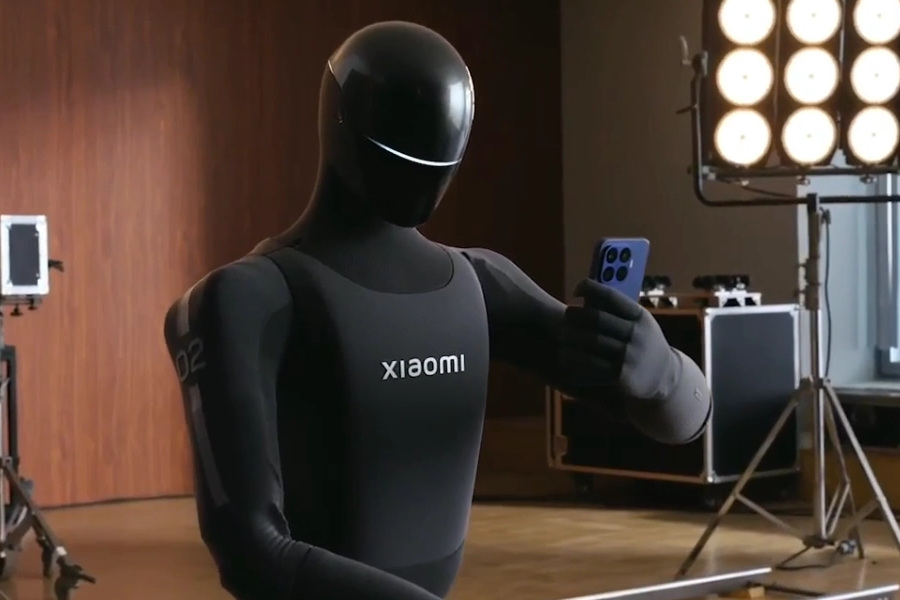
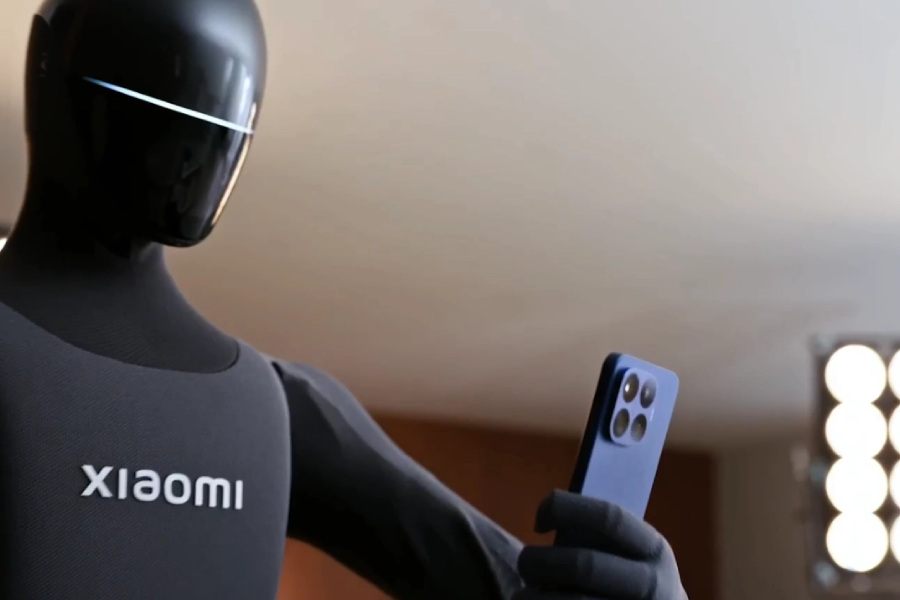
At the heart of this demonstration was a simple yet impressive feat: the robot lifted the Xiaomi 17T Pro using its bionic hand, manipulated the volume buttons to zoom in, and captured a photo. It wasn’t just a gimmick, the shot taken by the robot was displayed to the audience, highlighting the device’s precise control.
This kind of dexterity isn’t common in robotics, especially when it comes to handling delicate consumer electronics. The robot’s palm-sized bionic hand comes equipped with a full-palm tactile sensor covering 8,200 square millimeters, enabling it to feel and adjust grip pressure much like a human would. Plus, the hand’s sweat gland system manages heat, allowing for longer operation without overheating.
Robotics Progress Rooted in Practicality
Xiaomi has been steadily advancing its humanoid robotics efforts, focusing on real-world applications rather than just lab demonstrations. Earlier this year, their robots achieved a 90.2% success rate during three-hour continuous shifts at a car factory’s self-tapping nut installation station. Meeting the factory’s 76-second cycle time requirement shows these robots are not just experimental toys but viable industrial assistants.
The bionic hand itself has been re-engineered to be 60% smaller than previous versions, aligning its size with that of a human hand. It now offers 64% more degrees of freedom, meaning it can move in more complex ways to handle various tasks. This is critical for delicate operations like smartphone camera control or assembling intricate parts.
What This Means for Everyday Users
While the current demonstration is a glimpse into the future, it raises questions about how such robots might impact daily life. Could a humanoid robot eventually assist in home photography, help busy families capture moments, or even aid workers in creative industries? The technology is still in early stages, and Xiaomi’s focus remains on factory deployment within the next five years.
From a privacy standpoint, the robot’s ability to control devices that handle personal data means manufacturers must ensure robust security measures. Additionally, the cost of integrating such advanced robotics into consumer products will likely be high initially, and subscription or maintenance fees could add up.
Global Availability and Future Prospects
Currently, Xiaomi’s humanoid robot demonstrations are primarily for the Chinese market, with no confirmed global launch date. The 17T and 17T Pro smartphones are priced at approximately $445 and $590 (2,999 and 3,999 yuan) respectively, but the robot remains a high-end experimental project rather than a consumer product.
As Xiaomi continues to refine its robotics technology, we can expect incremental improvements in the robot’s dexterity and practical applications. Whether these humanoid robots become household assistants or remain industrial tools will depend on how they balance functionality, cost, and user privacy.

Reference: Xiaomi | gizmochina.com