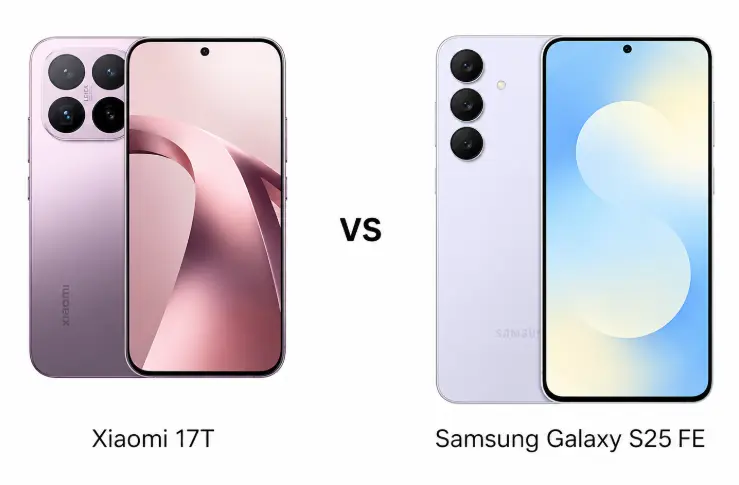
When choosing a premium smartphone without breaking the bank, the Xiaomi 17T and Samsung Galaxy S25 FE emerge as top contenders, each with its unique strengths. Xiaomi impresses with a sharper, brighter display and a Leica-tuned camera setup boasting a 5x periscope zoom lens. Samsung counters with a premium aluminum frame, wireless charging, and an unmatched seven-year Android update promise.
- Xiaomi 17T shines with a 6.59-inch AMOLED display, 1268 x 2756 resolution, and Dolby Vision support.
- Samsung Galaxy S25 FE offers a larger 6.7-inch LTPO AMOLED 2X display with adaptive refresh and HDR10+.
- Xiaomi packs a 6500mAh battery with 67W wired charging; Samsung provides 4900mAh with 45W wired and 15W wireless charging.
- Leica-enhanced 50MP main and 50MP telephoto cameras on Xiaomi versus Samsung’s 50MP main and 8MP telephoto lenses.
Distinctive Design and Display Choices
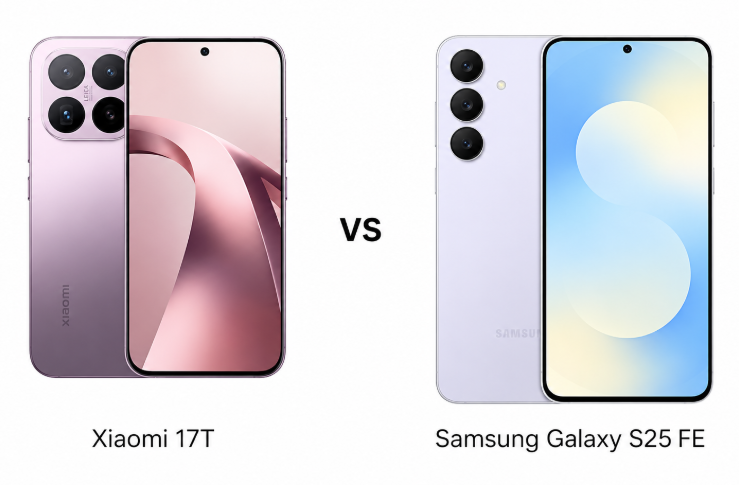
Xiaomi’s use of Gorilla Glass 7i on both front and back with a reinforced plastic frame gives it a modern and practical feel, especially with the iconic Leica camera branding. Samsung’s choice of Gorilla Glass Victus+ and aluminum frame exudes more classic flagship elegance and durability. Both carry IP68 ratings, ensuring solid protection against water and dust.
The display battle favors Xiaomi for sharpness and outdoor brightness, with its 3500 nits peak brightness and Dolby Vision support, making multimedia consumption a treat. Samsung’s LTPO technology helps conserve battery life by adjusting refresh rates dynamically, a feature appreciated in daily usage.
Performance and Battery: Power vs. Endurance
Under the hood, Samsung’s Exynos 2400 chipset offers superior processing power, especially for graphics-heavy tasks, paired with 8GB RAM and UFS 4.0 storage. Xiaomi’s MediaTek Dimensity 8500 Ultra, combined with 12GB RAM and faster UFS 4.1 storage, ensures speedy multitasking and app loading.
Battery life is Xiaomi’s ace with a massive 6500mAh cell and rapid 67W charging, ideal for heavy users. Samsung’s 4900mAh battery supports wireless charging and Samsung DeX for desktop-like experiences, adding versatility.
Camera Capabilities: Leica’s Touch vs. Samsung’s Reliability
Xiaomi’s camera system stands out with a 50MP main sensor, a 50MP periscope telephoto lens offering 5x optical zoom, and a 12MP ultrawide camera. Leica tuning brings cinematic quality to photos. Samsung’s setup includes a 50MP main sensor, an 8MP telephoto lens with 3x zoom, and a 12MP ultrawide sensor, delivering consistent and reliable results.
For selfies, Xiaomi’s 32MP front camera surpasses Samsung’s 12MP sensor, both supporting 4K video recording, catering to content creators and social media enthusiasts.
Pricing and Value Considerations
The Xiaomi 17T carries a higher price tag around $720 (₹60,000), reflecting its superior hardware and camera features. Samsung’s Galaxy S25 FE is priced approximately at $600 (₹50,000), offering strong value with its premium build, long-term software support, and ecosystem benefits.
Buyers prioritizing raw specifications and photography prowess may lean toward Xiaomi, while those valuing software longevity, wireless charging, and a refined ecosystem might prefer Samsung.
Global Availability and Market Impact
Both smartphones target users seeking a premium experience without stepping into ultra-flagship pricing. Xiaomi’s global model emphasizes battery endurance and camera innovation, while Samsung’s offering appeals to productivity-focused users and those invested in the Samsung ecosystem.
The competition showcases two distinct philosophies: Xiaomi pushing hardware boundaries and Samsung emphasizing software refinement and ecosystem integration.
Reference: Xiaomi | Gizmochina