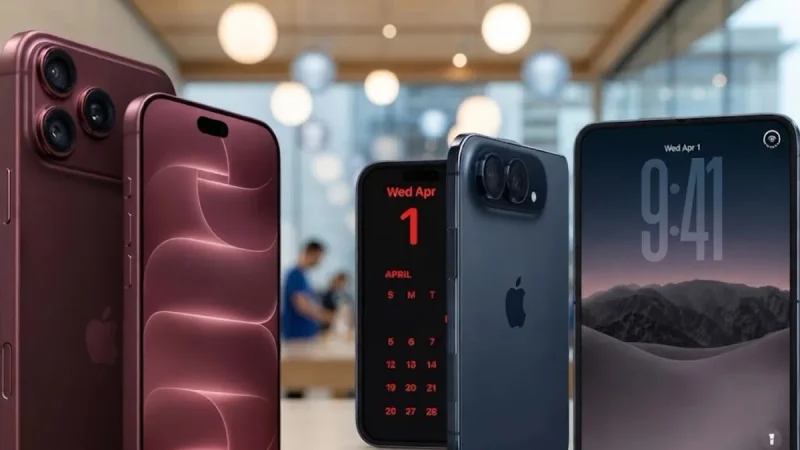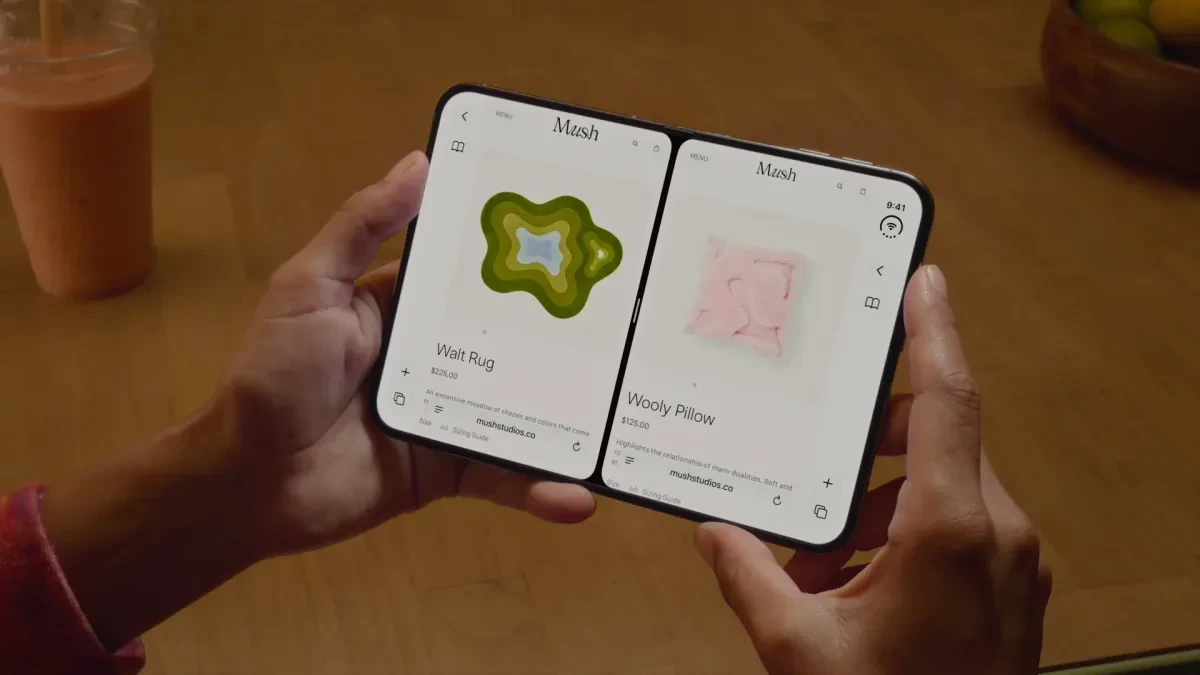
The arrival of the iPhone 18 Pro series and the debut of the foldable iPhone Duo have fundamentally shifted Apple’s retail landscape. As the company retires the iPhone 17 Pro lineup and adjusts pricing for older legacy models, choosing the right handset has become a more complex exercise in balancing hardware longevity against diminishing returns. Whether you are chasing the latest 2nm efficiency gains or hunting for a reliable daily driver, here is the current hierarchy of the Apple smartphone ecosystem.
The Flagship Standard: iPhone 18 Pro and Pro Max
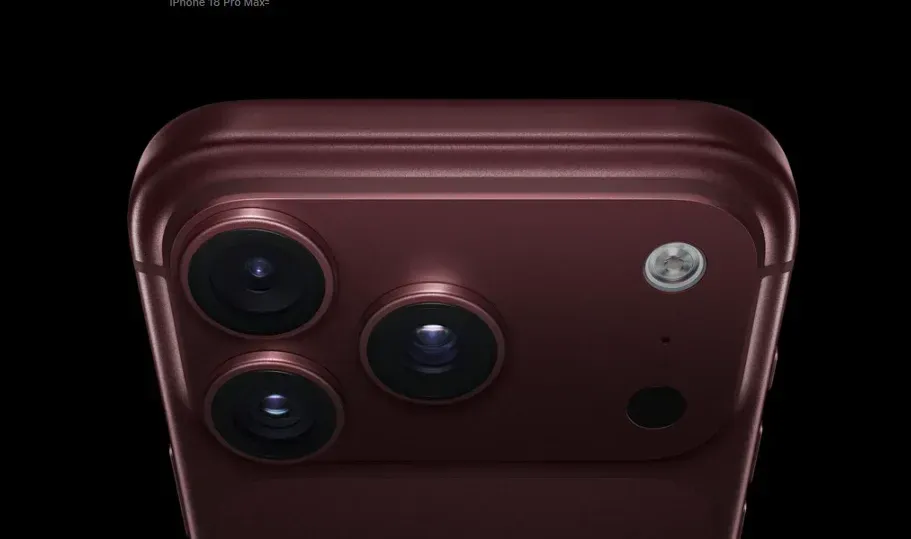
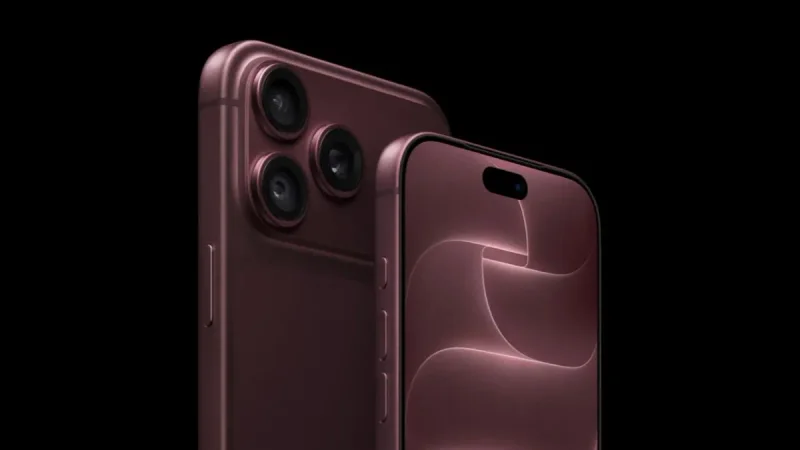
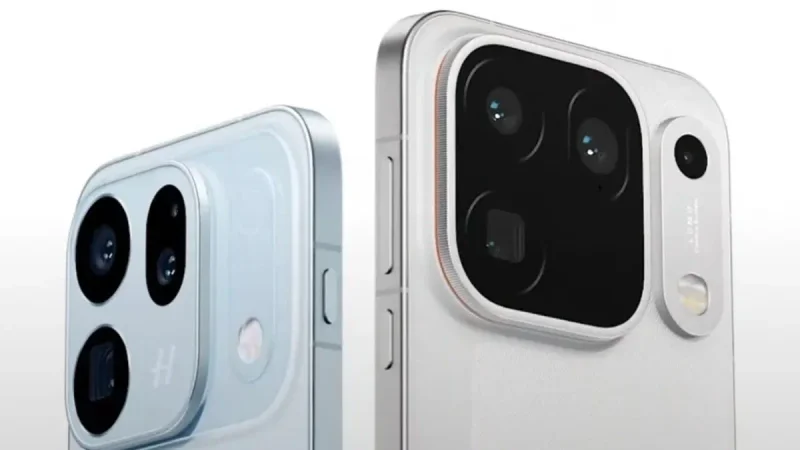
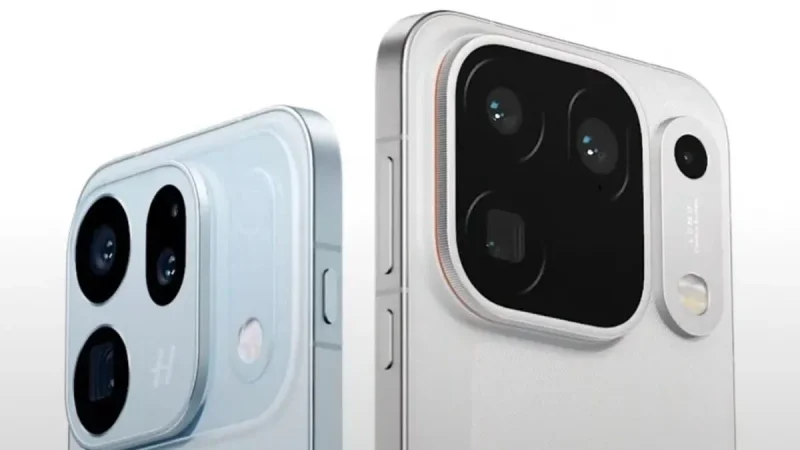
The iPhone 18 Pro stands as the definitive choice for those who demand the latest mobile engineering without the bulk of a larger frame. Its core appeal lies in the A20 Pro chipset, which leverages a 2nm manufacturing process to deliver significant gains in thermal efficiency and sustained performance. For mobile photographers, the standout addition is the 48MP Fusion main camera featuring a physical variable aperture. By toggling between f/1.48, f/1.8, f/2.8, and f/4.0, the device offers genuine control over depth of field and low-light exposure that software-only solutions struggle to replicate.
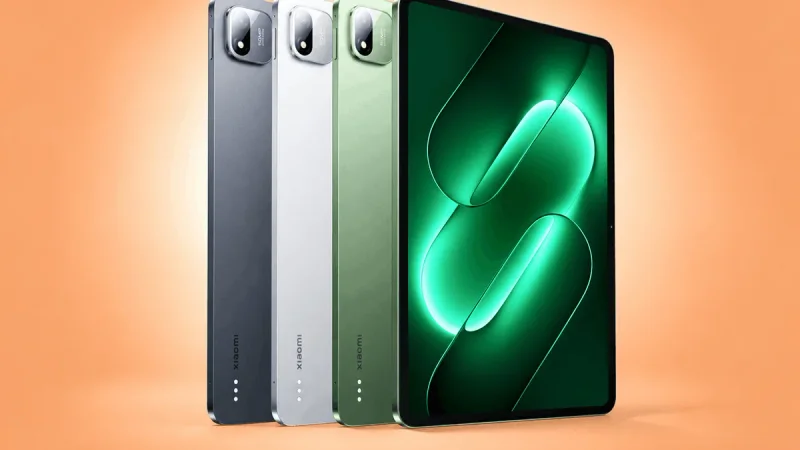
For users who prioritize media consumption and raw battery endurance, the iPhone 18 Pro Max remains the undisputed champion. Beyond the shared chipset and camera advancements, the Pro Max pushes video playback capabilities to approximately 45 hours, a noticeable leap over its predecessor. While the standard 18 Pro is ideal for one-handed ergonomics, the Pro Max justifies its larger footprint for power users who rely on multitasking and extended screen time away from a charger.
The Value Tier: iPhone 17 and iPhone 16
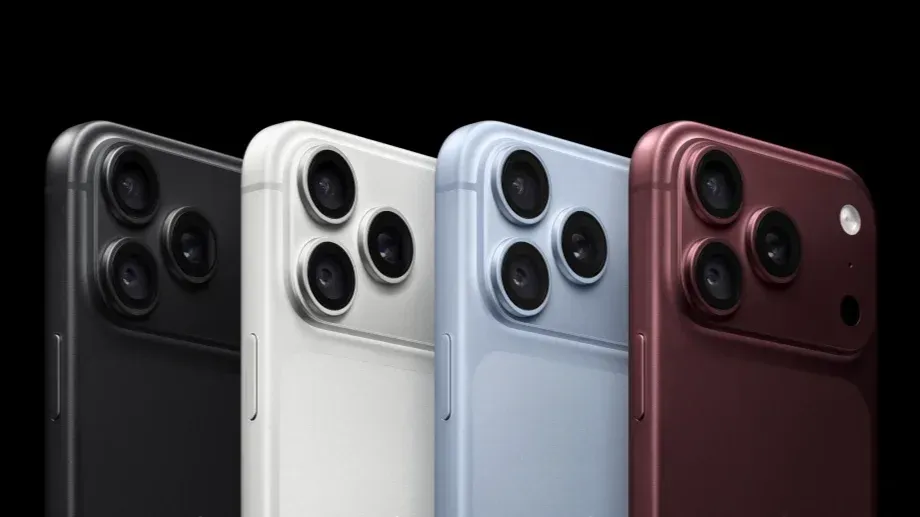
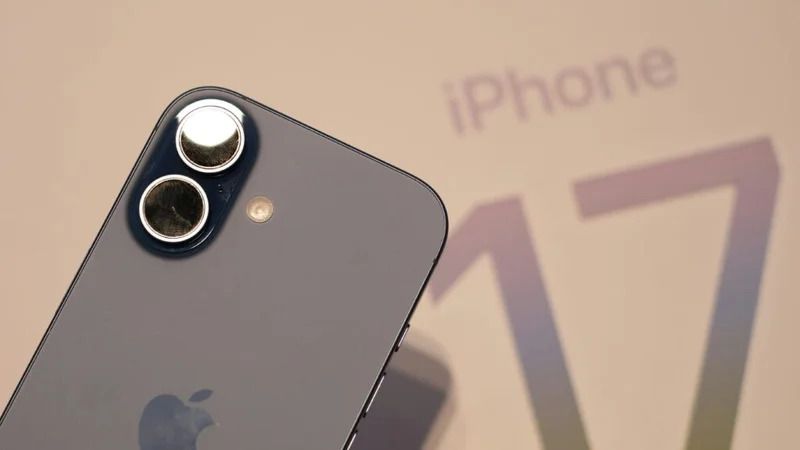
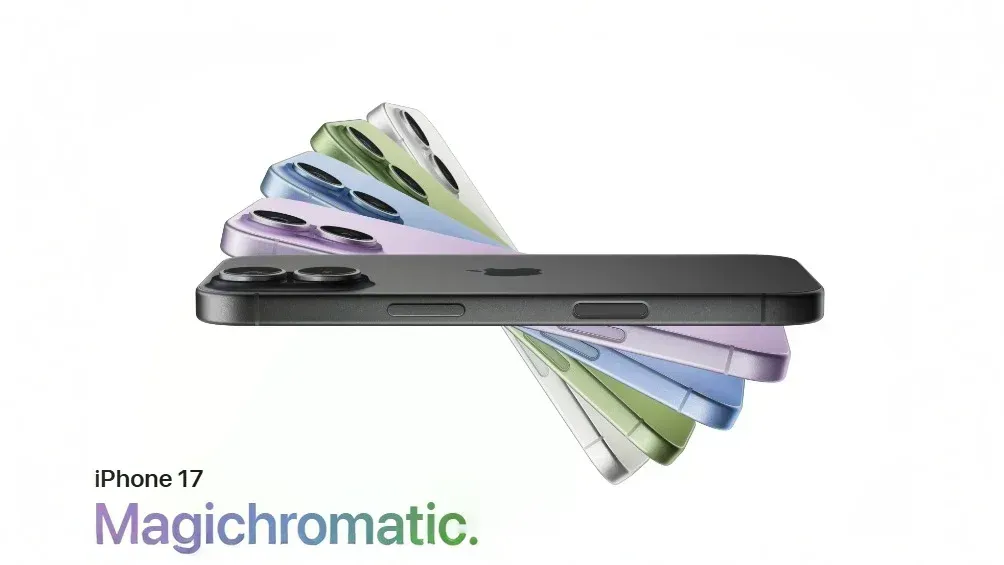
If you do not require the latest professional-grade imaging or the absolute peak of silicon performance, the iPhone 17 remains a compelling value proposition. It retains the essential 120Hz ProMotion display and consistent battery life, providing a modern experience that handles daily tasks and Apple Intelligence features with ease. Despite a slight price adjustment, it occupies the sweet spot for most users.
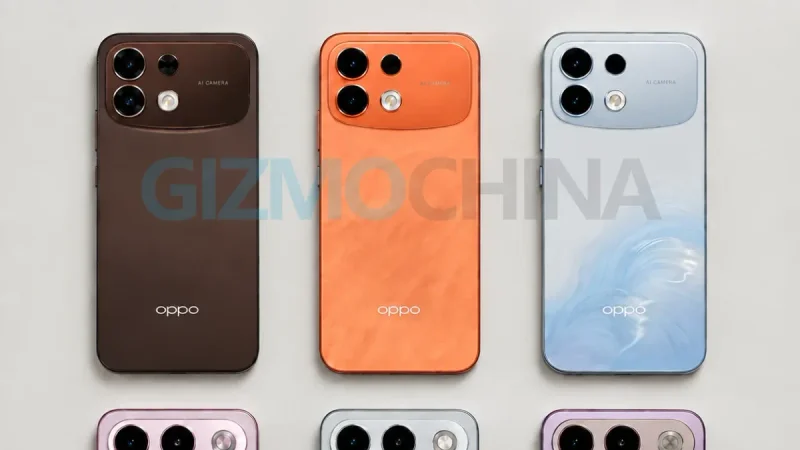
At the entry level, the iPhone 16 continues to serve as the budget-conscious anchor of the lineup. It covers the fundamental needs of a smartphone user - reliable cameras, solid performance, and a bright, responsive display - without the premium cost associated with the Pro or foldable models.
The Foldable Wildcard: iPhone Duo
Apple’s entry into the foldable space with the iPhone Duo is a significant milestone, yet it remains a niche proposition. With a starting price of $1,999 - scaling up to $3,199 for higher configurations - the device is a luxury investment. Given the lack of a dedicated telephoto lens and the inherent risks of first-generation hardware, it is currently a device for enthusiasts and early adopters rather than the average consumer looking for a reliable long-term workhorse.