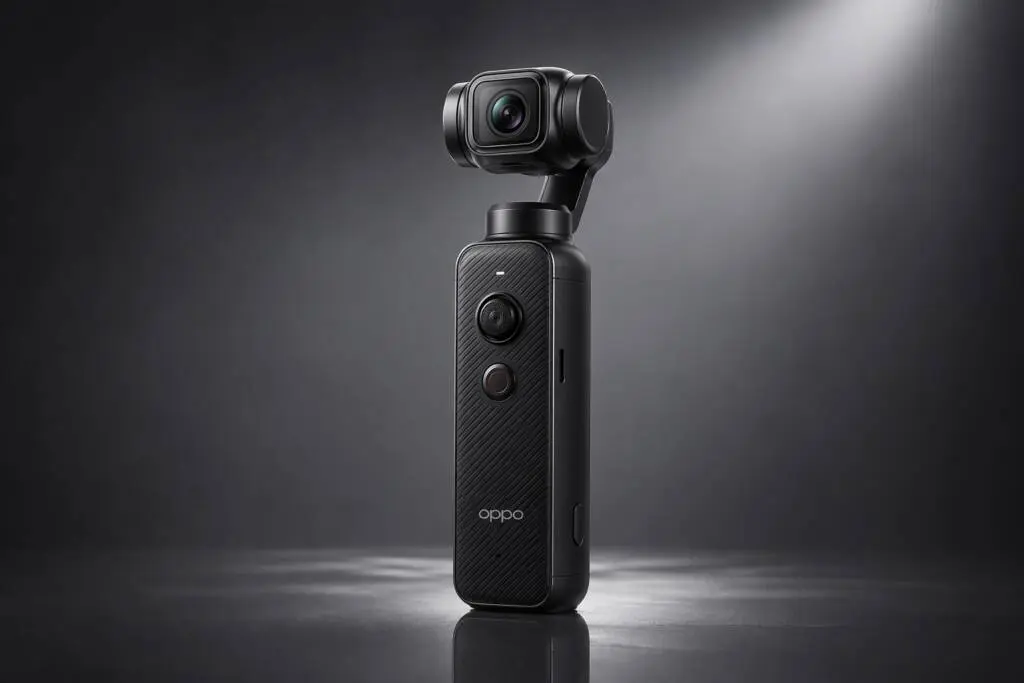
The handheld camera market is about to get a lot more crowded with Oppo and Vivo both developing compact gimbal cameras featuring flagship specs. These new devices aim to blend high-end imaging technology with seamless smartphone integration, raising the bar for portable content creation tools.
- Both Oppo and Vivo are working on compact gimbal cameras with 200MP sensors.
- The cameras will likely feature advanced image processing and ecosystem integration with their smartphones.
- Oppo’s model may have Hasselblad branding, while Vivo’s could carry Zeiss co-branding.
- Strong initial production plans suggest both brands expect significant demand.
200MP sensors promise flagship image quality in a pocket-sized form
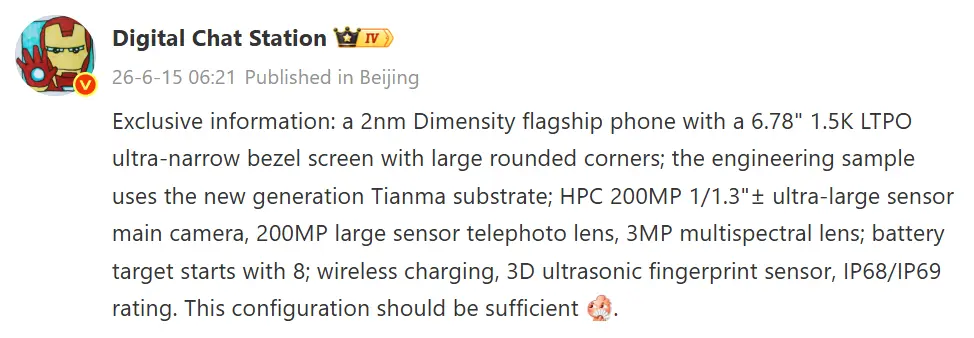
According to a prominent Chinese tipster, both Oppo and Vivo’s upcoming handheld cameras will pack a 200MP sensor on a 1/1.12-inch imaging chip. This matches the specs of Sony’s LYT-901 sensor, known for delivering exceptional detail and clarity. Although exact sensor details have not been confirmed, such a high-resolution sensor in a compact gimbal camera is notable.
These cameras are expected to run on high-end processors, allowing for advanced image processing and smooth stabilization that users demand in a gimbal setup. The combination promises a powerful tool for vloggers, content creators, and photography enthusiasts who want pro-level results without lugging heavy gear.
Brand partnerships add credibility and imaging expertise
Oppo’s camera may carry a Hasselblad co-branding, while Vivo’s version could feature Zeiss branding. Both partnerships are extensions of the collaborations these brands already use on their flagship smartphones. This suggests a focus on color science, lens quality, and overall imaging performance that leverages established expertise.
Seamless integration with smartphones enhances usability
One practical highlight is the ecosystem integration planned for both devices. They will support seamless interconnection with their respective smartphones, enabling quick transfer, editing, and sharing of photos and videos directly on the phone. This smooth workflow addresses a common pain point for users who juggle multiple devices and apps.
Vivo is reportedly preparing an initial inventory of around one million units, indicating strong confidence in market demand. Oppo’s internal project, codenamed “Fuyao,” also shows serious commitment to this segment.
Market impact and launch timeline
Industry analysts believe that smartphone makers entering the compact gimbal camera space could shake up a market currently dominated by DJI and Insta360. Their strengths in imaging algorithms, AI processing, and competitive pricing could offer users compelling alternatives.
Both Oppo and Vivo plan to launch their handheld gimbal cameras before the end of 2026, giving consumers something to look forward to in the evolving landscape of portable content creation gear.
Via: Gizmochina