Smartphone photography just got a serious upgrade with the OPPO Find X9 Ultra. After a five-day trip to Japan and over a thousand photos captured, this phone proves itself as a versatile camera powerhouse, especially if you crave convenience without lugging bulky lenses. But as with any tech, it’s not perfect. Let’s explore what makes this device stand out and where it falls short.
- The Find X9 Ultra offers a 200MP main camera with a new high-resolution mode for crisp 28MP shots.
- Its 10x optical telephoto lens reaches 230mm, extendable to 460mm with In-Sensor Zoom, though lens quality limits sharpness.
- The 70mm camera impresses with professional-level background blur and solid low-light performance.
- The ultra-wide 14mm camera struggles with purple fringing and lacks optical image stabilization, affecting night shots.
master mode versus default: a choice in photo style
OPPO’s Master Mode reduces shutter time, often producing photos that feel more cinematic and true to eye perception, especially at dusk. However, it can sometimes underexpose images, making sunny scenes look overcast. On the other hand, the default mode leans heavily on aggressive HDR, sharpening, and saturation. While this can enhance detail and dynamic range, it occasionally flattens photos or introduces color artifacts in shadows at night. For everyday shooting, Master Mode is the recommended go-to unless the scene calls for the default’s punchy style.
main camera: high resolution meets versatility
The 200MP main sensor shines with its ability to capture shallow depth of field shots and excellent detail. Activating the high-resolution mode delivers sharp 28MP images in good lighting, fully utilizing the sensor’s capacity. Even in near-dark conditions, this camera can capture elusive subjects, like a black cat at night, that the naked eye might miss. It’s clearly one of the best smartphone cameras for almost any scenario.
telephoto lens: reach far but expect some quirks
The 10x optical zoom telephoto lens at 230mm is a technical feat but comes with trade-offs. Light must reflect five times to reach the sensor, causing red and green outlines around edges and a softer image quality. Chromatic and spherical aberrations are noticeable, especially in sharpness. Compared to competitors like the Samsung S23 Ultra, it edges out only slightly. However, in cloudy weather or when zooming beyond 230mm using In-Sensor Zoom up to 460mm, these flaws become less apparent. For social media sharing, the lens delivers usable distant shots, fulfilling the practical need to capture faraway scenes.
the 70mm camera: a standout performer
Serving as a transition between the ultra-long telephoto and main cameras, the 70mm shooter boasts a large sensor and wide aperture, producing impressive background blur rivaling professional cameras. At six times zoom, sharpness dips slightly but remains acceptable. Unlike many telephoto lenses, it maintains strong performance in low light, delivering sharp and detailed images at dusk. This camera arguably represents the pinnacle of smartphone telephoto photography on the Find X9 Ultra.
ultra-wide camera: the weak link
The 14mm ultra-wide camera is a noticeable downgrade compared to the other lenses. Purple fringing is severe, especially at the image corners and under backlit conditions, leading to less pleasing photos. At night, the lack of optical image stabilization causes many blurry shots, requiring multiple attempts to get a sharp image. Despite this, OPPO’s decision to prioritize telephoto capabilities over ultra-wide quality seems practical. During the trip, only about ten percent of photos used this lens, as the main camera’s 23mm focal length already covers wide scenes sufficiently.
photography kit: emotional value over practicality
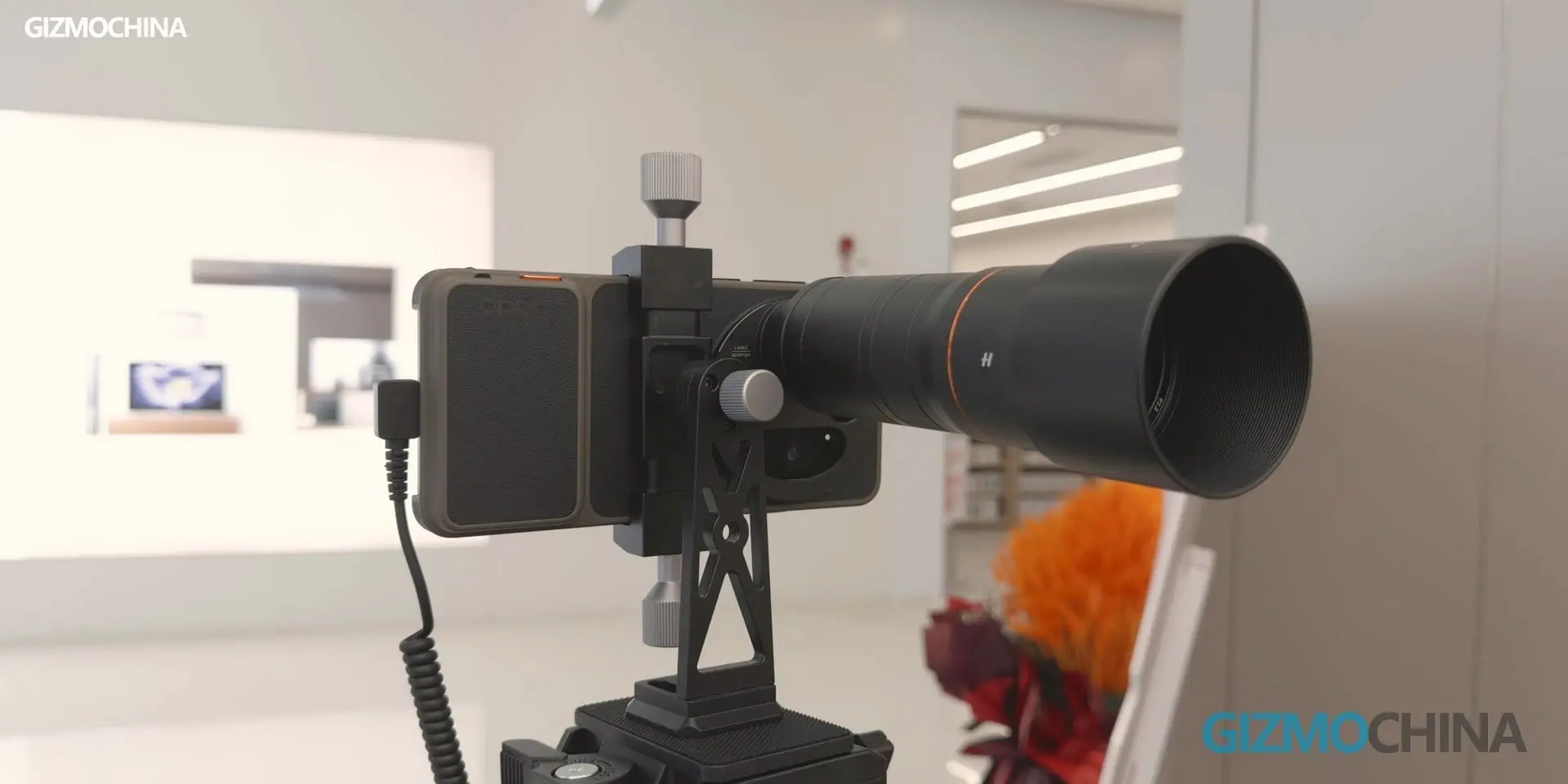
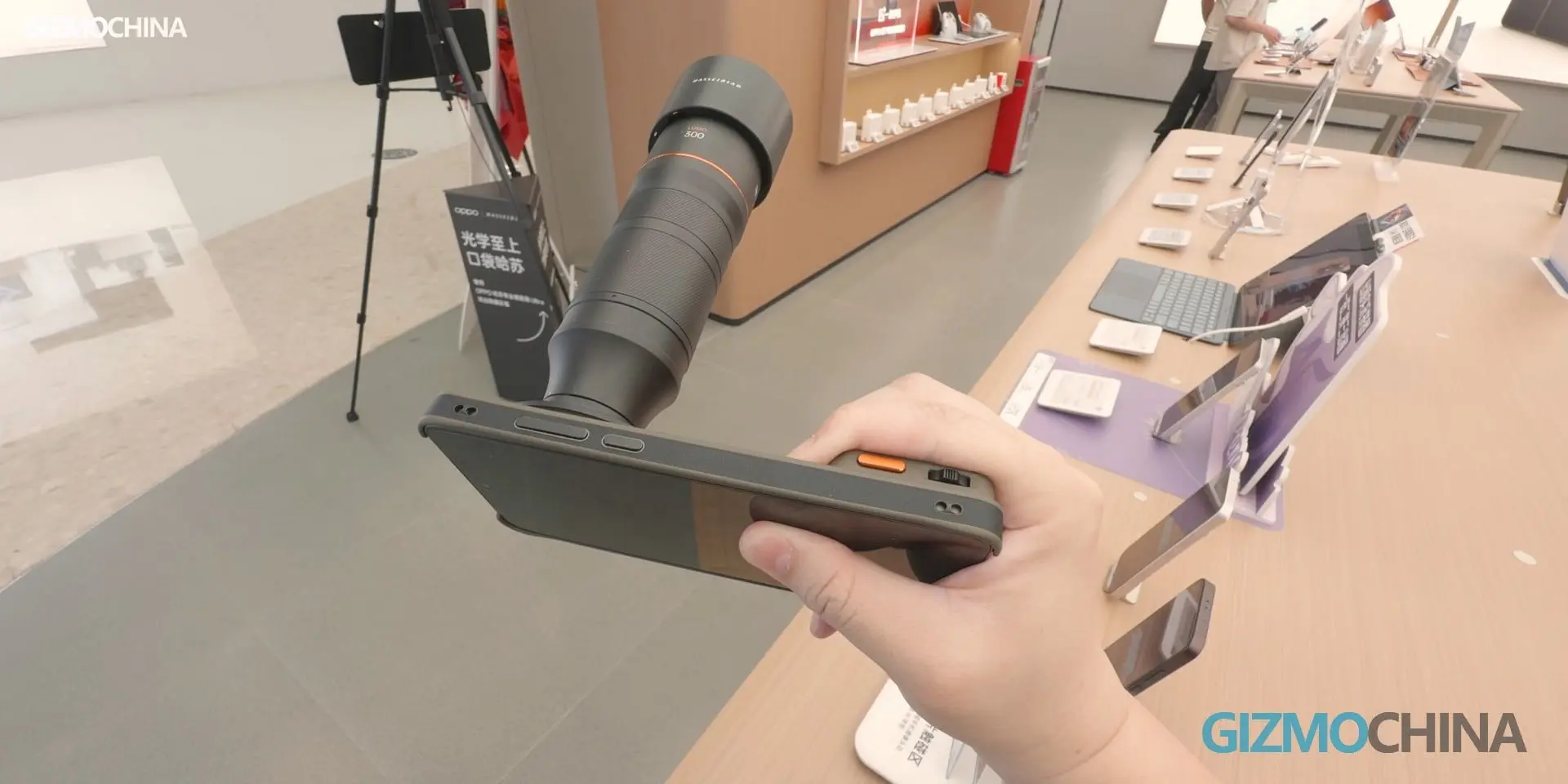
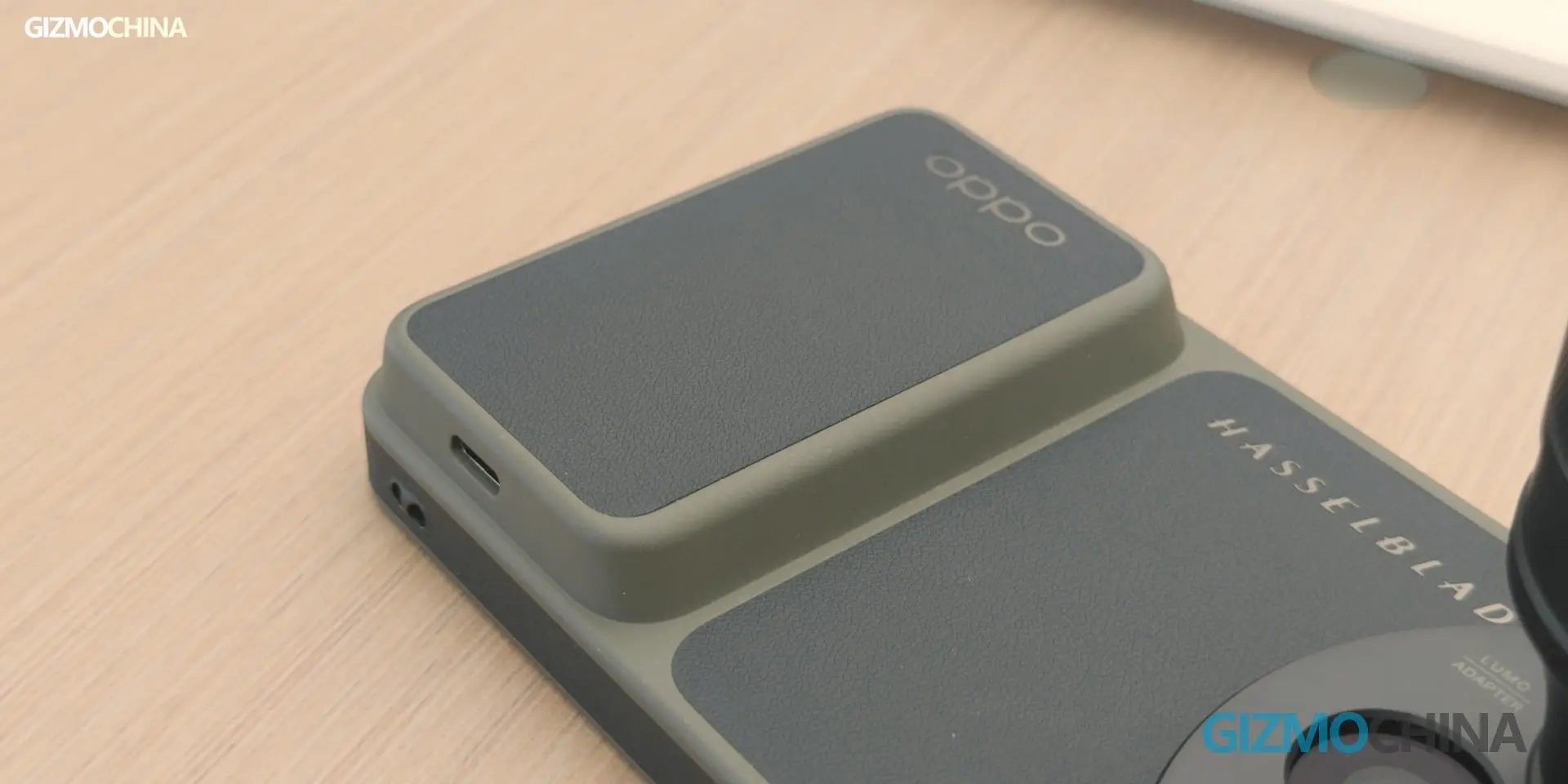
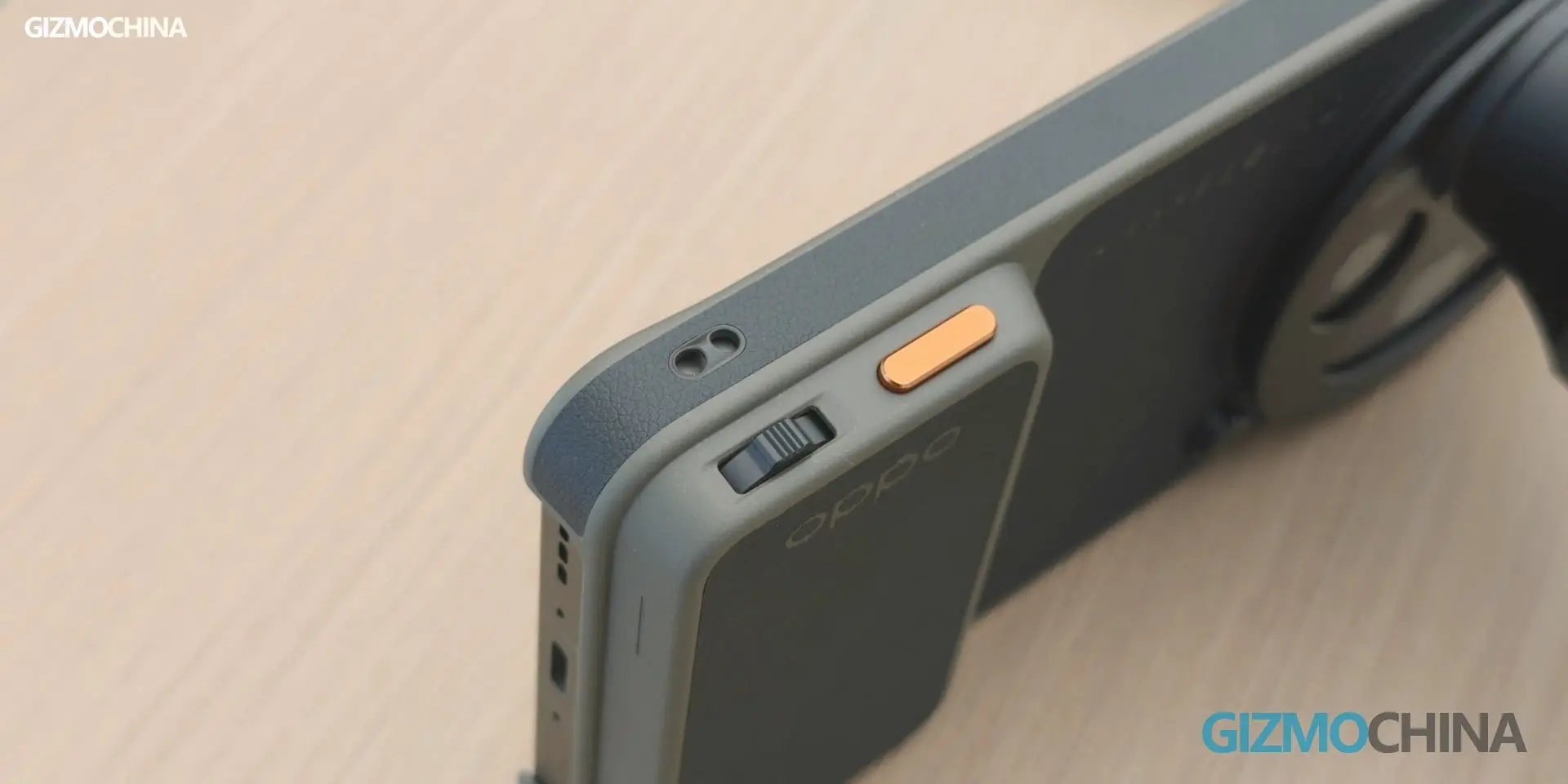
OPPO offers a photography kit and teleconverter priced near $1800 alongside the 1TB phone version. Though physically larger and longer than competitors’ teleconverters, its grip is shallow, making handling cumbersome. Connectivity is via Bluetooth with minimal controls. While design-wise it’s ahead, its practicality falls short. Considering the Find X9 Ultra’s existing 230mm camera and a global price potentially above $2000, most users might be better off saving their money for other priorities.
video recording: strong stabilization with some compromises
Video clips recorded at 4K 30FPS with high bitrates showcase top-tier stabilization and clarity. However, minor jitters appear in telephoto footage, and the ultra-wide lens again drags the quality down with purple fringing and weaker dynamic range. Nighttime video suffers from noise, emphasizing the gap between the ultra-wide and main cameras. Overall, video performance is solid but mirrors the photo strengths and weaknesses across lenses.
the essence of smartphone photography: convenience
The Find X9 Ultra embodies the true spirit of smartphone photography: carrying less gear while capturing a full range of focal lengths. Though it cannot fully replace a mirrorless camera’s image quality, it lets you travel lighter and shoot more freely. This balance between versatility and portability makes the Find X9 Ultra a compelling choice for those valuing convenience alongside capable imaging.
Via: Gizmochina