
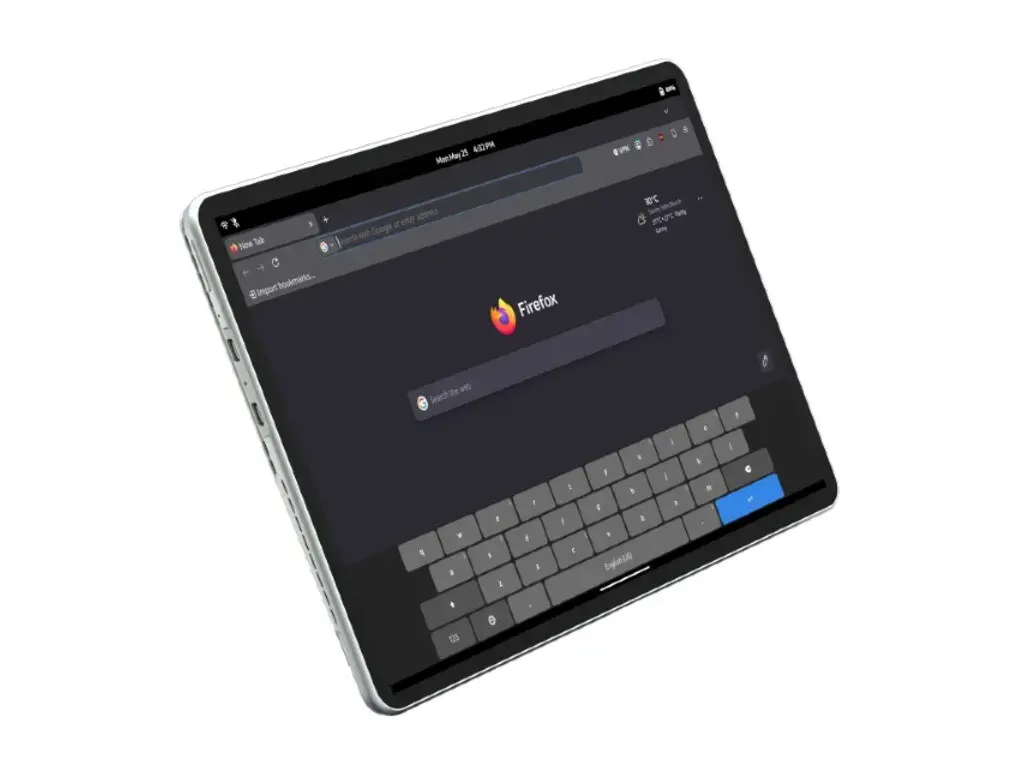
Juno Computers has launched the Juno Tab 4 series, introducing two Linux tablets in 10.5-inch and 13-inch versions powered by Intel processors. These devices mark a notable move in the niche market of Linux-based mobile computing, targeting users who seek robust performance combined with open-source flexibility. The choice of Intel CPUs and multiple Linux distributions highlights a strategic effort to appeal to a specialized but growing segment.
- The 10.5-inch model features an Intel Core i3-N300 with LTE connectivity and 12GB LPDDR5 RAM.
- The 13-inch version is equipped with an Intel Core Ultra 5 115U, 16GB LPDDR5 RAM, and a higher resolution display.
- Both tablets support a selection of five Linux distributions preinstalled at purchase.
- Distinct hardware and connectivity options reflect targeted use cases, including mobile internet and productivity.
Conflicting Demands in Linux Tablet Design
The Juno Tab 4 series embodies the tension between offering high-performance hardware and maintaining the open, customizable nature of Linux. The 10.5-inch LTE model with a Core i3 processor and 12GB RAM suggests a focus on mobile users needing connectivity and moderate computing power. Conversely, the 13-inch Wi-Fi model, with a more powerful Core Ultra 5 115U and higher resolution screen, aims at users prioritizing productivity and multimedia experiences.
This dual approach reveals Juno’s attempt to capture diverse segments within the Linux tablet market, which remains relatively underserved compared to Windows or iPadOS devices. The inclusion of multiple Linux distros preinstalled offers users flexibility but also introduces complexity in support and user experience consistency.
Business Context and Industry Implications
Juno’s decision to power these tablets with Intel processors rather than ARM chips aligns with a broader industry trend where x86 architecture retains dominance in performance-demanding segments. Intel’s continued push into mobile form factors with efficient processors like the Core Ultra 5 115U underscores this strategy.
Offering LTE in the smaller model is a calculated move to differentiate in a market where most Linux tablets lack cellular connectivity, addressing a niche for mobile professionals and developers needing constant internet access. However, the absence of LTE in the larger tablet suggests a trade-off favoring hardware capabilities over mobility.
Power Dynamics and User Control
By providing a choice among five Linux distributions, Juno places emphasis on user autonomy and diversity, challenging the closed ecosystems of dominant tech platforms. This strategy could empower users wary of Big Tech’s data practices, but it also raises questions about software support and security maintenance across varied distros.
The removable SSDs in both tablets reflect a commitment to data ownership, a rare feature in modern devices where storage is often soldered. However, the inclusion of fans in the 13-inch model points to power and thermal management challenges, potentially impacting user experience and device longevity.
Long-Term Implications for Linux Tablets
Juno’s tablets could influence the Linux device landscape by setting new standards for hardware integration and user choice. Their approach highlights the ongoing struggle to balance performance, connectivity, and openness in mobile computing. Success in this niche could encourage other manufacturers to explore Linux tablets, potentially increasing competition and innovation.
However, the lack of announced pricing and availability leaves uncertainty about market impact. The tablets’ appeal will depend on competitive pricing and the ability to deliver reliable user experiences across multiple Linux environments.
Overall, the Juno Tab 4 series embodies a critical experiment in expanding Linux’s footprint in mobile devices, challenging the dominance of established ecosystems and advocating for greater user control over hardware and software.
Reference: notebookcheck.net