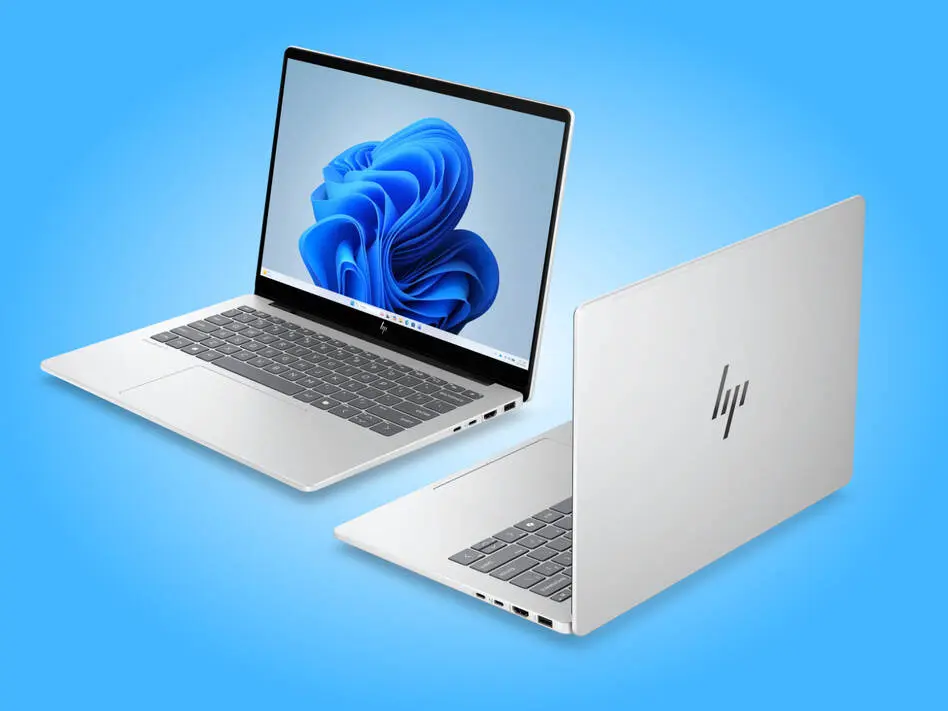
HP’s latest OmniBook 7 14-inch laptop introduces a strategic pivot towards high-performance visuals and premium display technology, featuring Intel’s Arc B390 graphics and a 120 Hz variable refresh rate OLED panel. This move signals HP’s intent to capture a nuanced segment of the laptop market that prioritizes both graphical prowess and vibrant visual experiences.
- Base model starts at $1,299 with Core Ultra 5 325 and 16 GB RAM.
- Top-tier configurations reach $2,409 featuring Core Ultra X9 388H and Intel Arc B390 GPU.
- Display options include IPS panels up to 2,240 x 1,400 resolution and a premium 1800p OLED with 120 Hz VRR.
- Storage upgrades to 1 TB PCIe Gen 5 available for an additional $120.
Reassessing the Laptop Market Dynamics with Arc B390 Graphics
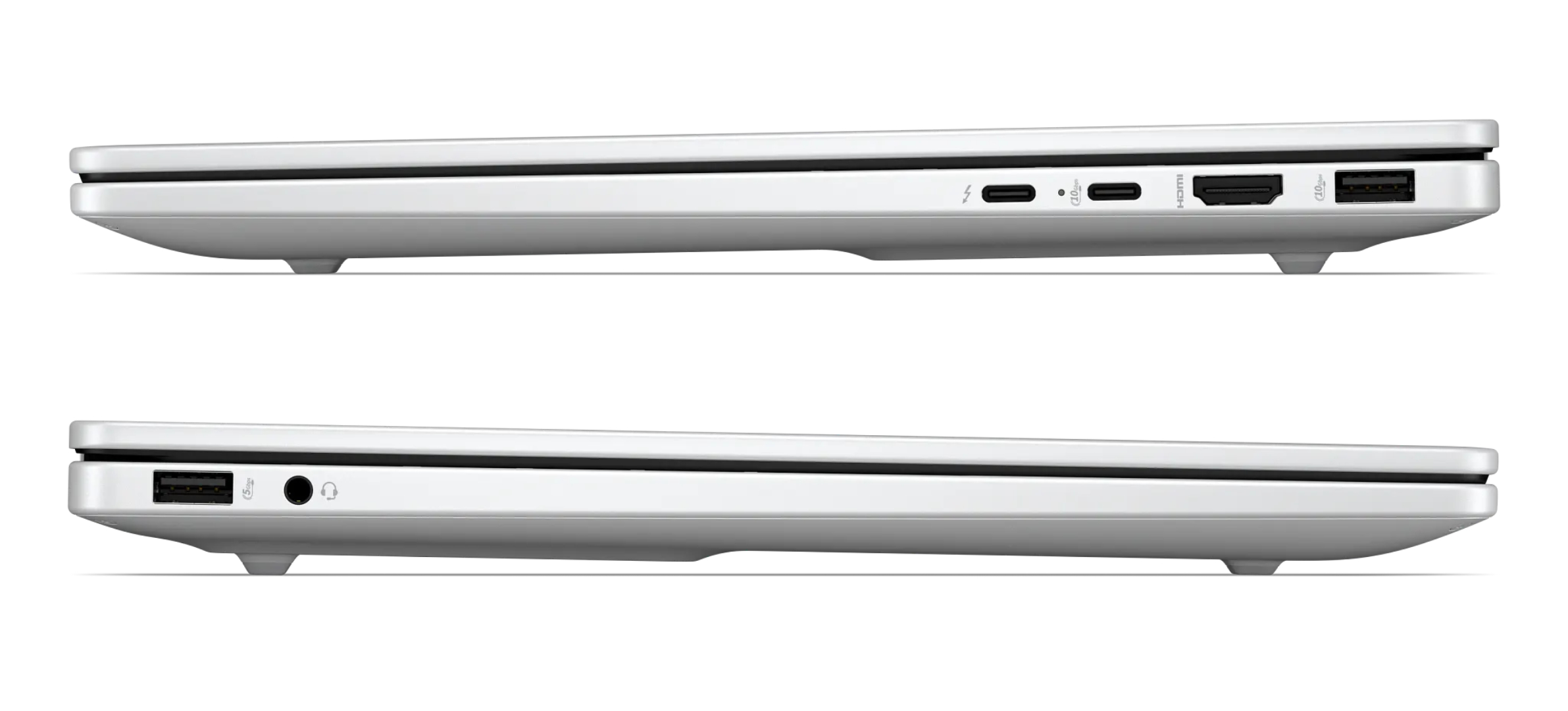
HP’s deployment of Intel’s Arc B390 graphics, equipped with 12 Xe3 GPU cores, exclusively in its higher-end OmniBook 7 variants, is a deliberate strategy to differentiate performance tiers within the 14-inch laptop category. By reserving Arc B390 for Core Ultra X models, HP positions these laptops to appeal to users who demand enhanced graphical capabilities, potentially encroaching on traditional GPU market segments dominated by NVIDIA and AMD.
This segmentation reveals HP’s nuanced understanding of consumer needs, balancing cost against performance. However, this also raises questions about accessibility, as the premium GPU is locked behind higher-priced SKUs, potentially limiting democratization of advanced graphics technology in mainstream laptops.
Display Innovation Meets Practical Trade-Offs

The inclusion of a 120 Hz variable refresh rate OLED display with 1800p resolution, 100% DCI-P3 color coverage, and peak brightness of 500 nits (extending to 1,100 nits in HDR) marks a significant step towards enhancing user experience in visual fidelity and smoothness. This display option, while premium, is priced as part of the upper-tier configurations, aligning with HP’s strategy to offer layered choices for diverse consumer segments.
Nevertheless, the base IPS displays, capped at 60 Hz and 300 nits brightness, suggest a cautious approach to balancing cost and quality. The limited color gamut and refresh rate in lower tiers may affect creative professionals and gamers, underscoring the trade-off between affordability and advanced features.
Storage and Memory: A Nod to Future-Proofing
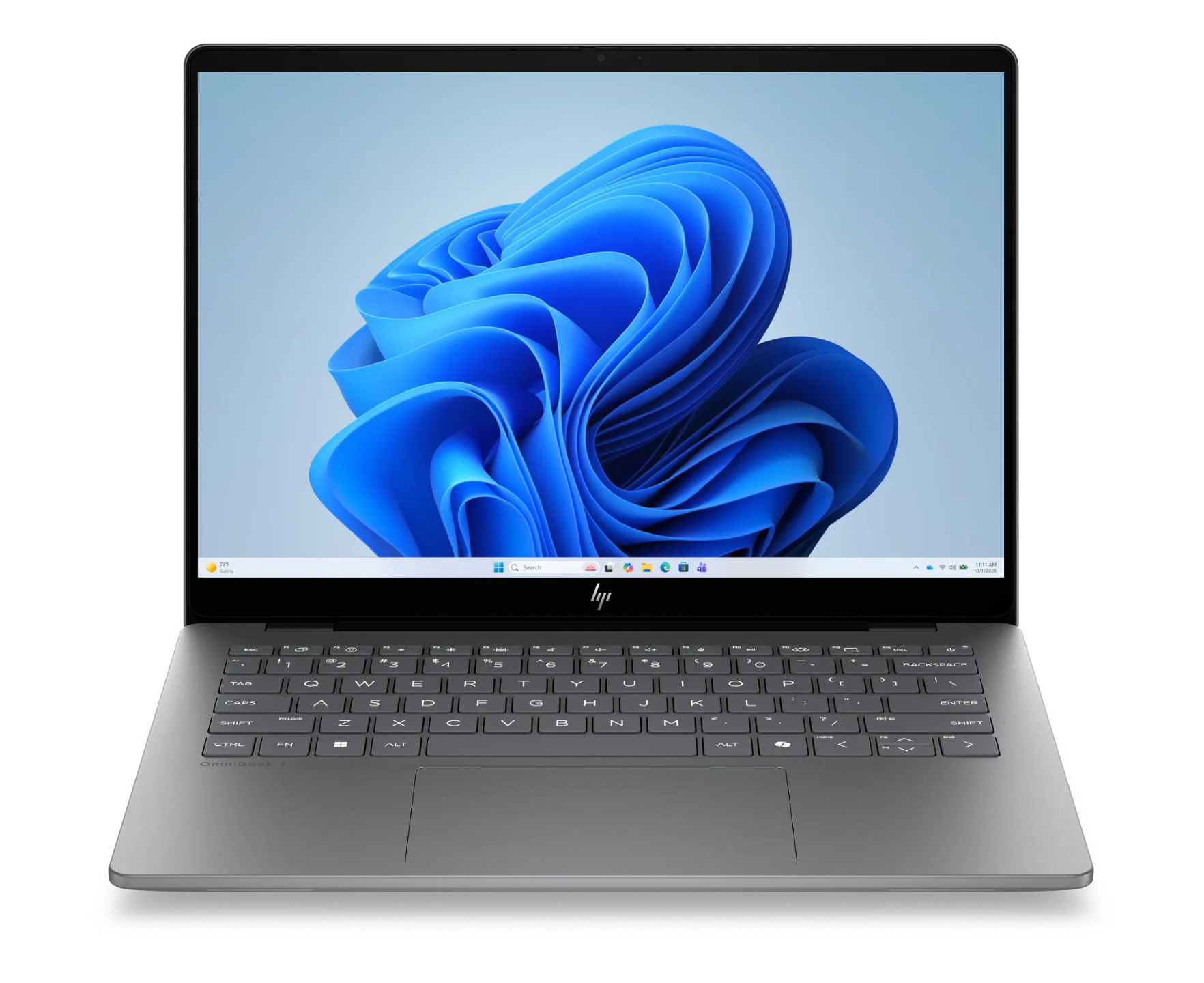
HP’s offering of PCIe Gen 5 storage up to 1 TB, albeit with a $120 surcharge, indicates a forward-looking approach to data throughput and system responsiveness. Coupled with RAM configurations that scale up to 32 GB (except in the base Core Ultra 5 325 model), these specifications cater to power users who require robust multitasking and fast storage solutions.
However, the surcharge and tiered RAM options reflect a classic trade-off, where future-proofing comes at a premium, potentially alienating budget-conscious consumers.
Color Choices and Market Positioning
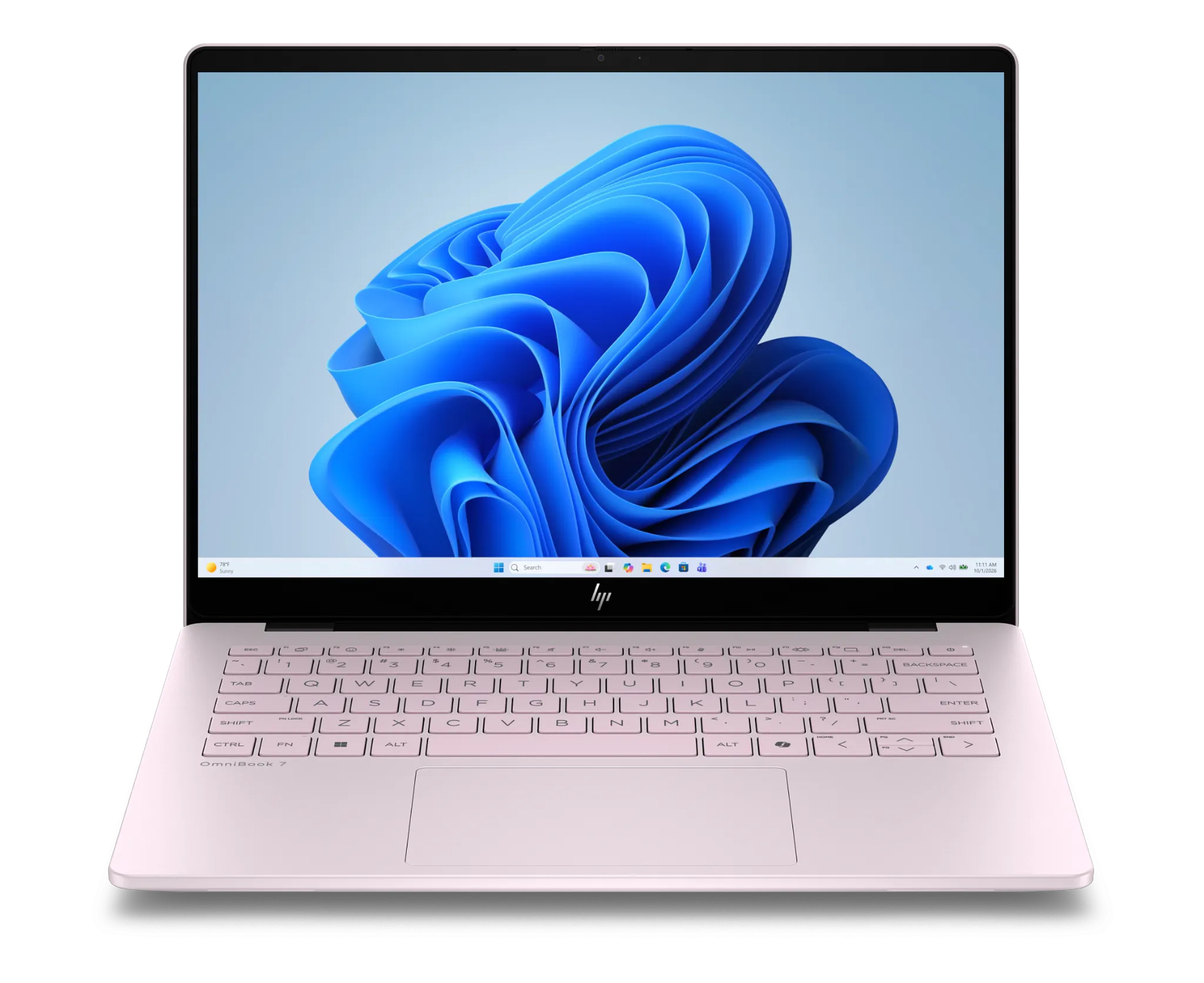
The availability of Glacier Silver, Meteor Silver, and Powder Pink finishes, with the latter two priced $20 higher, signals HP’s intent to appeal to style-conscious buyers, adding a layer of personalization and exclusivity. This subtle pricing strategy also reveals how aesthetic preferences are monetized within the laptop market.
Implications for Industry and Consumers
HP’s OmniBook 7 14-inch launch underscores the ongoing tension between innovation, pricing, and market segmentation. By integrating Intel’s Arc B390 GPU and high-end OLED displays into select configurations, HP is navigating the complex interplay between performance aspirations and consumer affordability.
From an industry perspective, the selective deployment of advanced hardware components may influence competitive dynamics, compelling rivals to reassess their offerings. For consumers, especially creators and professionals, these choices highlight the necessity to weigh performance needs against cost, while also questioning how hardware segmentation affects long-term device value and user empowerment.
Global Availability and Market Reach
HP plans to begin shipping pre-orders for the OmniBook 7 14-inch in July 2026. The strategic timing and pricing suggest a calculated entry into a competitive market landscape, where performance, design, and price sensitivity converge. Observing HP’s market penetration and consumer reception will provide critical insights into the evolving priorities within the laptop sector.
Reference: NotebookCheck