Eustella, an emerging European AI assistant, challenges the dominance of American cloud AI providers by leveraging open-source models and emphasizing user privacy. Unlike ChatGPT or Google’s AI, Eustella does not commercialize chat data, presenting a compelling alternative for users wary of data exploitation.
- Powered by Alibaba’s Qwen 3.5, Google’s Gemma 4, and OpenAI GPT-120B OSS models, Eustella integrates specialized AI engines for diverse tasks.
- Exhibits impressive collaboration in complex scenarios like tabletop RPG planning, outperforming some major competitors in contextual understanding.
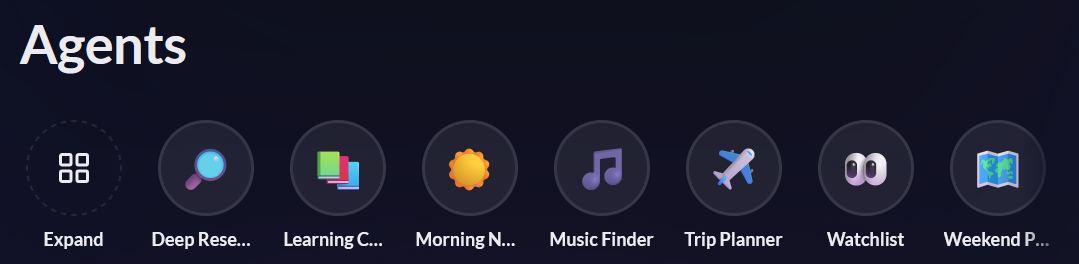
- Offers integrated image generation within chats and specialized agents such as Trip Planner and Learning Assistant to extend usability.
- Free usage limits currently restrict continuous access, raising questions on future pricing and scalability amid increasing user base.
Open-Source Powerhouses Behind Eustella
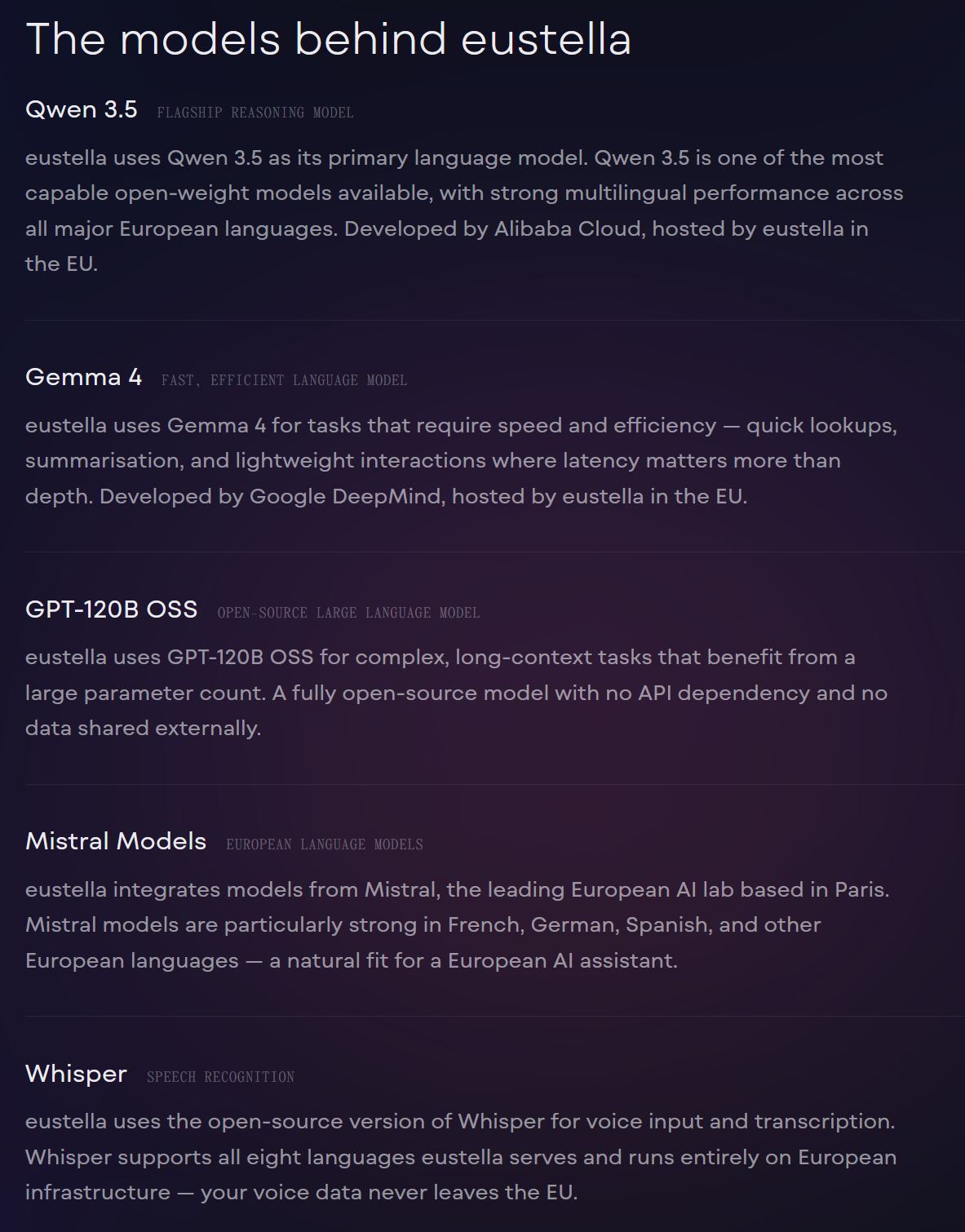
Eustella’s AI backbone comprises a mix of open-source models, including Alibaba’s Qwen 3.5 for advanced reasoning, Google’s Gemma 4 for lightweight interactions, and OpenAI’s GPT-120B OSS for tasks requiring extensive context. Mistral models enhance European language processing, while Whisper manages voice input. This amalgamation not only diversifies AI capabilities but also buffers against monopolistic control by American tech giants, aligning with European data sovereignty aspirations.
Contextual Intelligence and Collaboration That Impresses
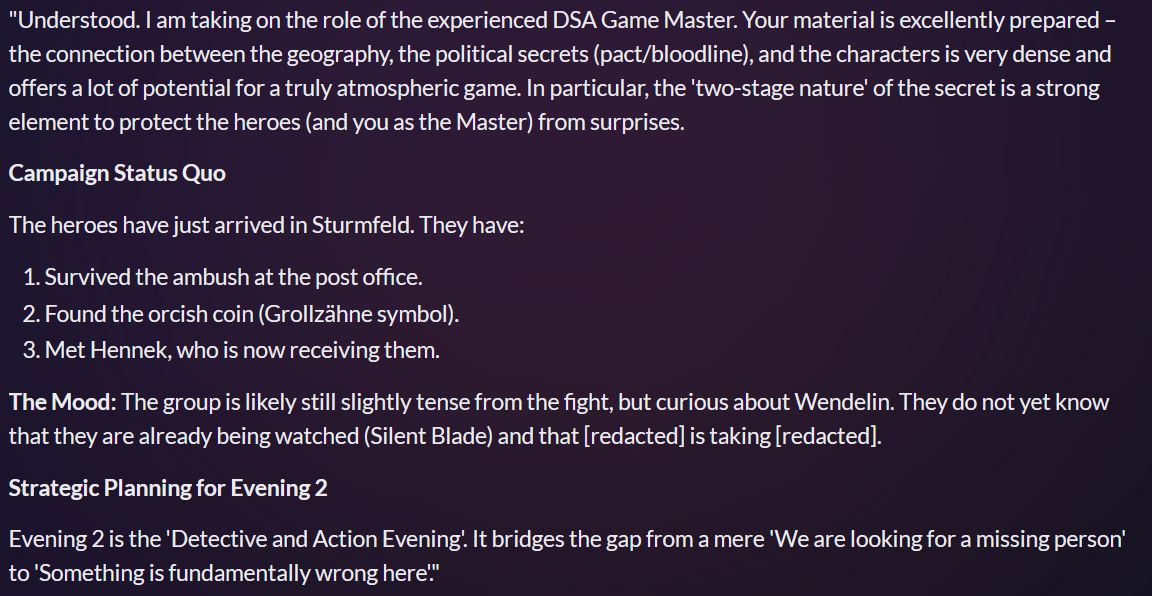
Testing Eustella in tabletop RPG planning revealed its superior ability to maintain narrative coherence and collaborate naturally. Unlike some competitors that struggle with story consistency, Eustella asked pertinent clarifying questions and provided useful suggestions, efficiently planning subsequent game sessions based on prior inputs. This demonstrates the maturity of open-source AI models in handling complex, context-rich tasks beyond simplistic query responses.
Feature-Rich Yet Privacy-Respecting User Experience

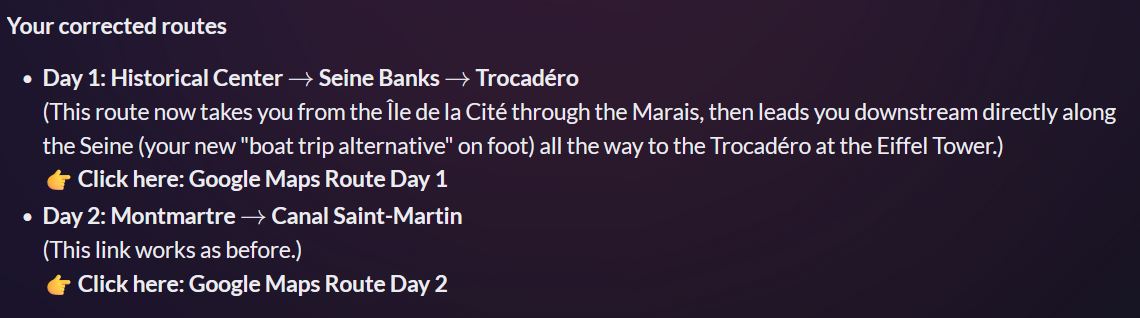
Eustella integrates image generation directly within its chat interface, streamlining creative workflows without needing external tools. Specialized agents like the Trip Planner offer practical utilities, providing mapped sightseeing routes with Google Maps links, although lacking GPX file exports. However, the platform currently cannot generate downloadable files for documents, requiring manual copying, a minor usability trade-off in exchange for privacy assurances.
Challenges with Usage Limits and Future Viability

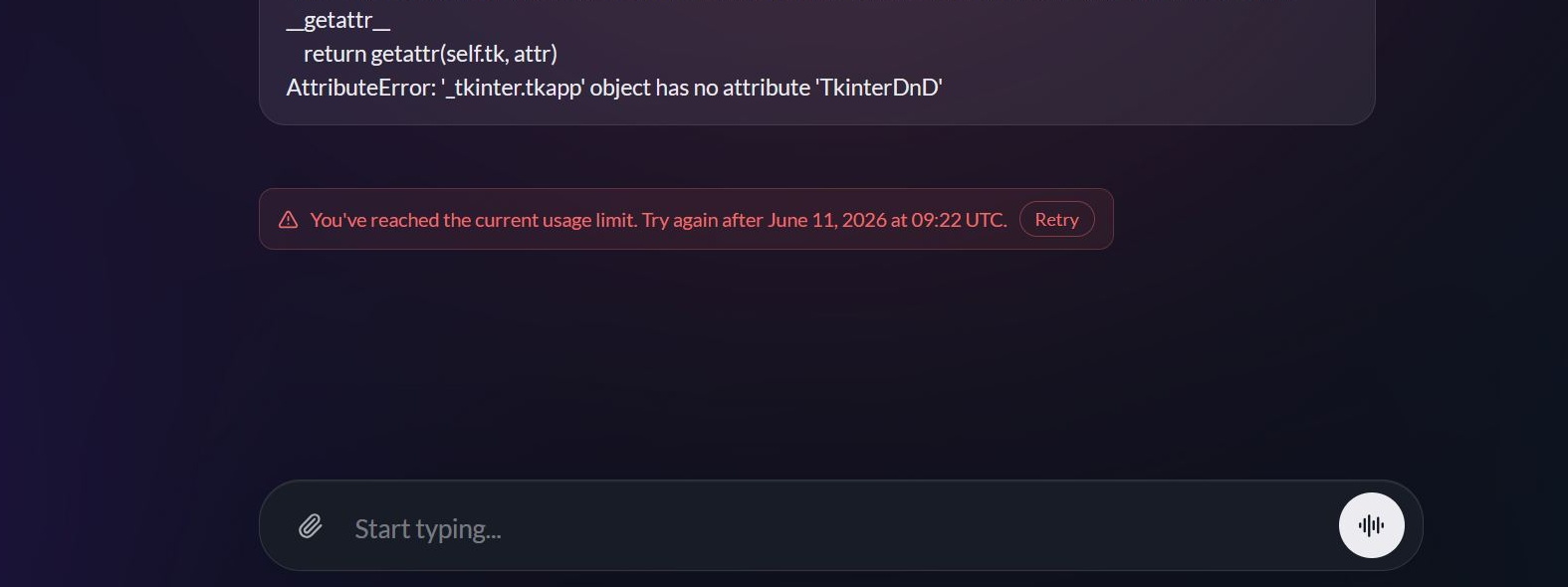
Despite its promise, Eustella imposes restrictive free usage limits, temporarily locking out heavy users for days. With its user base nearing 4,000 and growing, sustainable business models must balance infrastructure costs against competitive pricing. Smaller providers face higher server expenses than tech giants, potentially affecting accessibility. Transparency around future subscription plans and data policies remains crucial for user trust.
Implications for AI Ecosystem and Data Sovereignty
Eustella’s approach highlights a critical trade-off in the AI landscape: between centralized, data-hungry American platforms and decentralized, privacy-conscious alternatives. By not exploiting chat data commercially and hosting analytics data within Frankfurt, Eustella aligns with stringent European privacy regulations, offering a model for ethical AI deployment. This could pressure industry leaders to reconsider data governance and user consent frameworks.
Potential Global Reach and Market Impact

Currently in open beta with web, Android, and iOS access, Eustella’s global availability remains a question of scalability and competitive pricing. Its success hinges on whether it can sustain user growth without compromising privacy or imposing prohibitive costs. If it succeeds, Eustella may catalyze a shift in AI power dynamics, empowering users and regulators to demand more transparent, fair AI ecosystems.
Reference: NotebookCheck.net