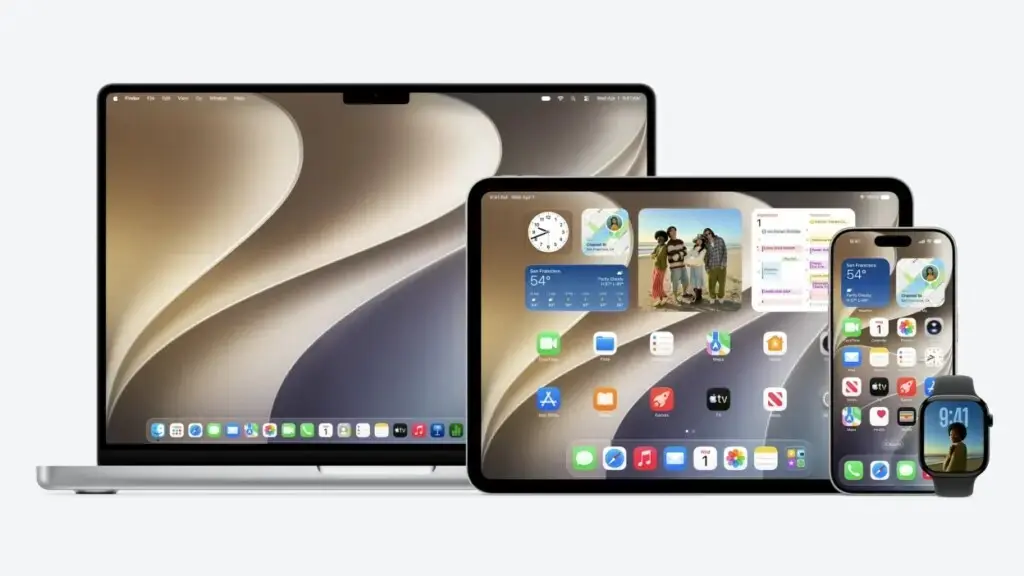
We all love when our devices get smarter, but the question is whether the latest updates actually make daily life easier without forcing us to upgrade our gadgets too soon. Apple’s freshly announced iOS 27, iPadOS 27, macOS 27 Golden Gate, and watchOS 27 promise a blend of AI-powered improvements, including a more intuitive Siri and refreshed designs. But with some devices losing support, it’s worth asking if these updates truly enhance your digital lifestyle or just nudge you toward new hardware.
- iOS 27 supports iPhone 11 and newer, including iPhone 17 and SE 2nd gen onward.
- iPadOS 27 drops support for some 2018 iPad Pros and older iPads, while newer models remain compatible.
- macOS 27 Golden Gate only supports Apple silicon Macs, ending updates for Intel Macs.
- watchOS 27 includes Apple Watch Series 9 and newer after initial listing errors.
iOS 27 Keeps Your iPhone Current Without Pressure to Upgrade
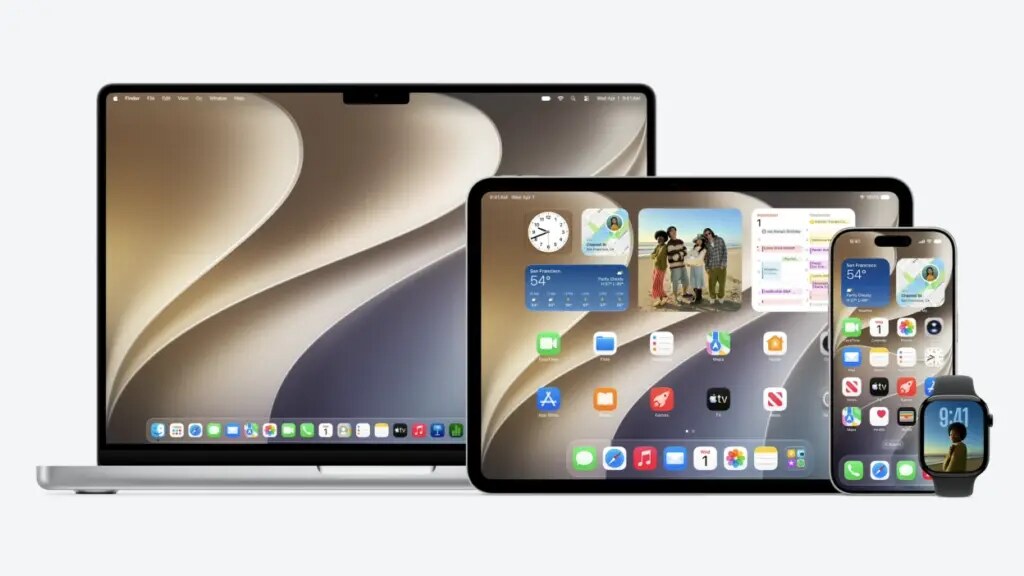
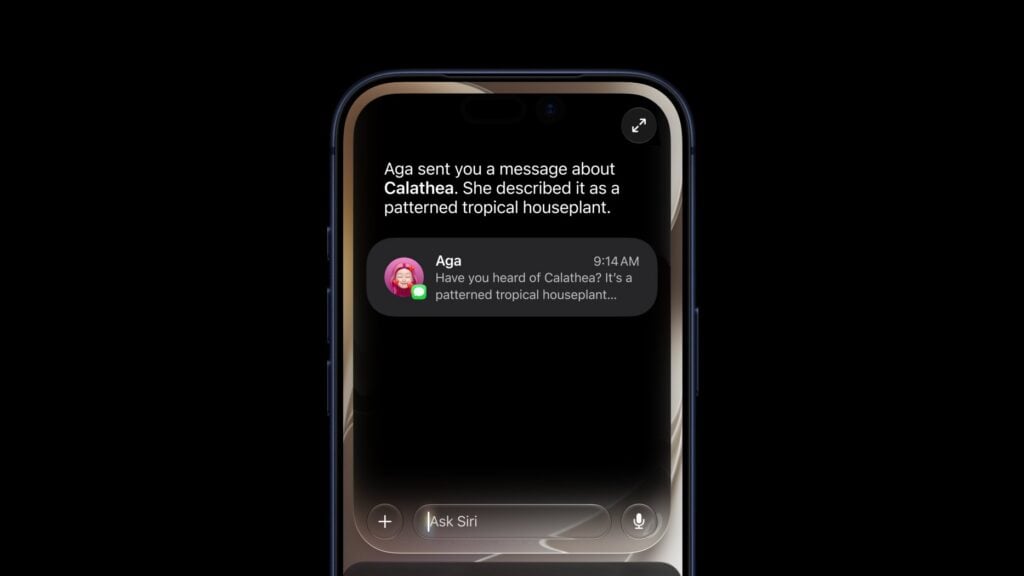
For iPhone users, Apple’s approach is refreshingly inclusive. If your phone runs iOS 26, it will support iOS 27, covering devices like the iPhone 11 series, the newest iPhone 17 lineup, and even the iPhone SE from the second generation onward. This means you get access to the smarter “Siri AI” features and other Apple Intelligence upgrades without being forced to buy a new phone.
However, as with any major update, keep in mind that enhanced AI features often mean more data is processed and sometimes stored in the cloud. This raises privacy considerations. Apple has a strong reputation for privacy, but users should still review settings to control what personal data Siri and other AI services can access.
iPadOS 27: A Mixed Bag for iPad Owners
The iPad update story is more selective. Apple is dropping support for some 2018 iPad Pro models, the 8th-generation iPad, 5th-generation iPad mini, and 3rd-generation iPad Air. If your tablet is on this list, you won’t get the new features or security updates, which might push you to upgrade sooner than expected.
Newer iPad Pro models (2nd-generation 11-inch and 4th-generation 12.9-inch and beyond), along with the latest iPad Air, iPad, and iPad mini, will continue to enjoy the AI enhancements and smoother user experience. This selective cutoff reflects Apple’s balancing act between supporting older hardware and leveraging AI capabilities that demand more processing power.
macOS 27 Golden Gate Ends Intel Era But Boosts Apple Silicon Macs
Mac users face the most significant shift. macOS 27 Golden Gate will only be available for Apple silicon-powered Macs, including recent MacBook Air, MacBook Pro, Mac mini, iMac, Mac Studio, Mac Pro, and the new MacBook Neo. If you have an Intel-based Mac, this update marks the end of major macOS upgrades.
This move emphasizes Apple’s commitment to its own chip architecture, which offers optimized AI and performance features not feasible on Intel hardware. While this may be frustrating for Intel Mac users, it also signals that Apple’s AI ambitions require tighter hardware-software integration.
watchOS 27 Corrects Initial Confusion, Supports Latest Apple Watches
Initially, Apple Watch Series 9 was missing from the watchOS 27 compatibility list, sparking concern. Apple quickly fixed this, confirming support for Series 9, Series 10, Series 11, Ultra 2, Ultra 3, and the latest Apple Watch SE.
WatchOS 27 brings AI-powered health and activity tracking improvements, making your wearable smarter and more helpful in everyday fitness and wellness routines. As always, watch users should consider privacy implications of health data syncing and the possible impact of subscription services tied to advanced features.
Should You Upgrade? Balancing Benefits, Privacy, and Costs
Apple’s updates bring practical AI enhancements, smarter assistants, and design tweaks that can improve daily digital interactions. If your device is supported, the upgrade is worth considering to stay current and enjoy these conveniences.
Yet, users should be mindful of the costs beyond the free update itself: increased cloud data usage, potential subscription fees for premium AI features, and privacy trade-offs. Older devices losing support might force upgrades, so weigh if new AI benefits justify the expense and data considerations.
Ultimately, Apple’s software refreshes aim to make technology more helpful and integrated into your lifestyle, but they also remind us to stay informed about how these smart features interact with our data and wallets.
Reference: GizmoChina