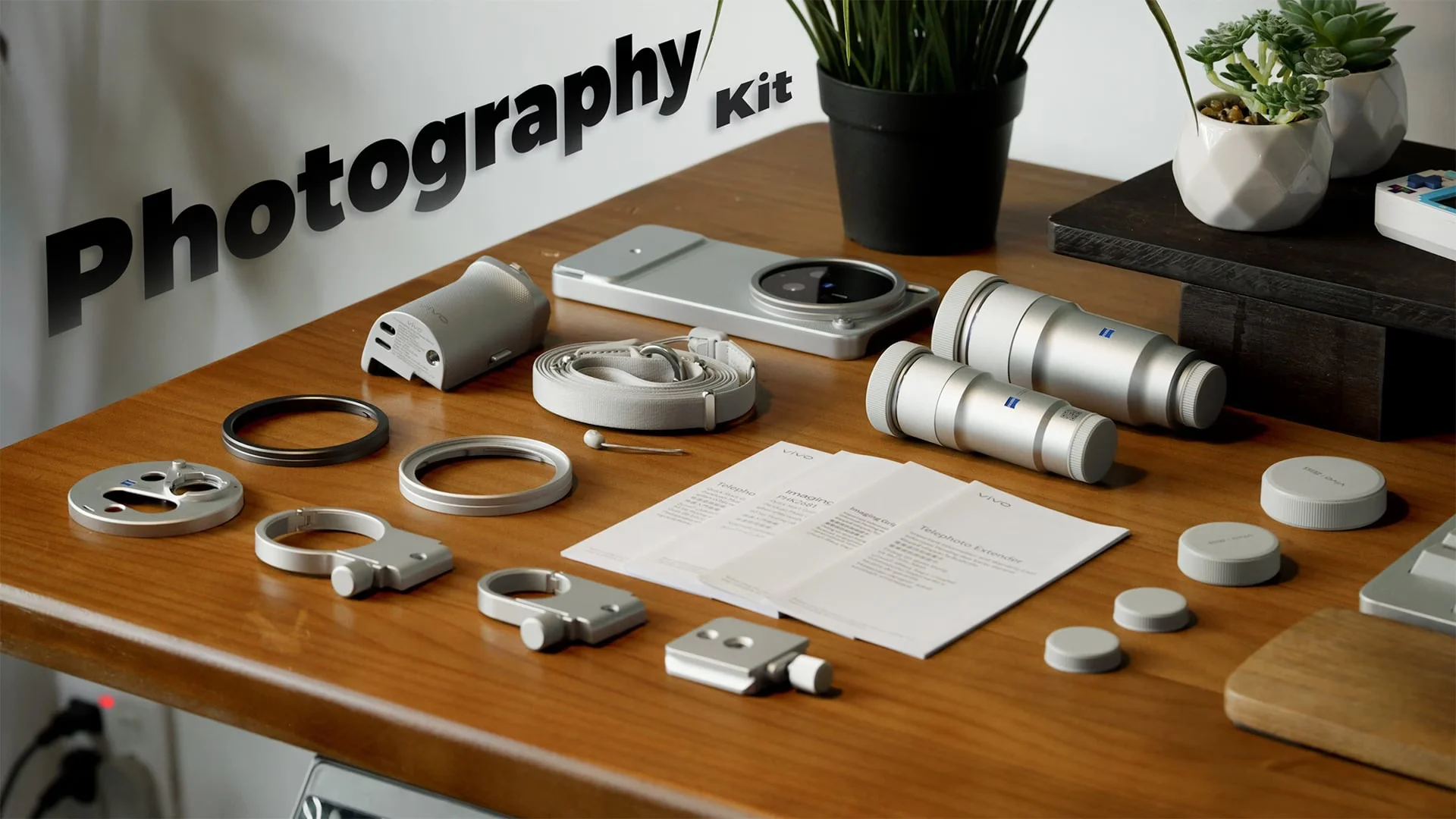
The Vivo X300 Ultra teleconverter kit costs €600 and delivers mixed results. Based on specs and early reports, it excels at concert photography but struggles with autofocus and wildlife reach. The catch is simple: it’s not a magic bullet for every scenario.
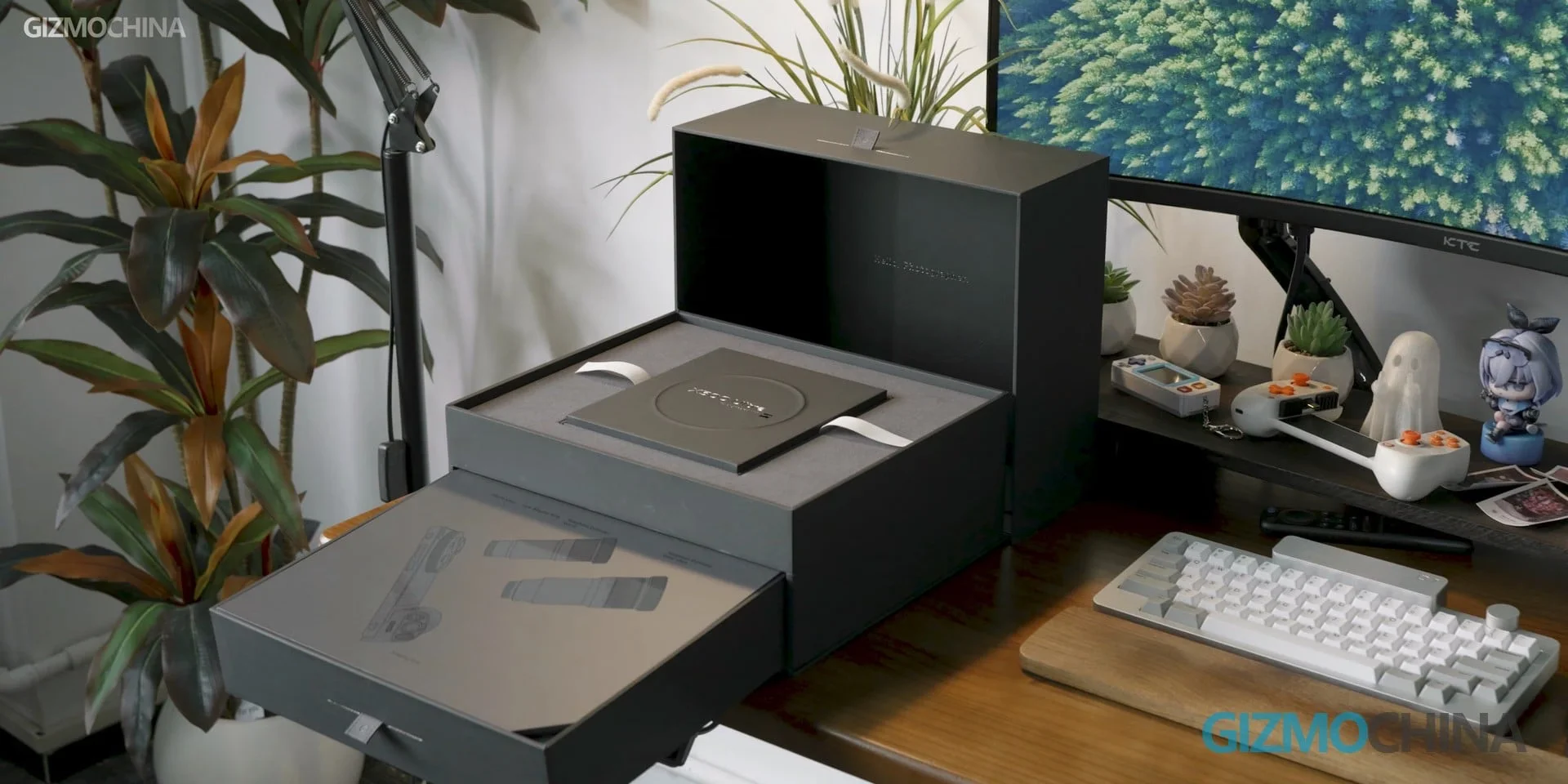
Grip and Teleconverter: Camera or Phone?
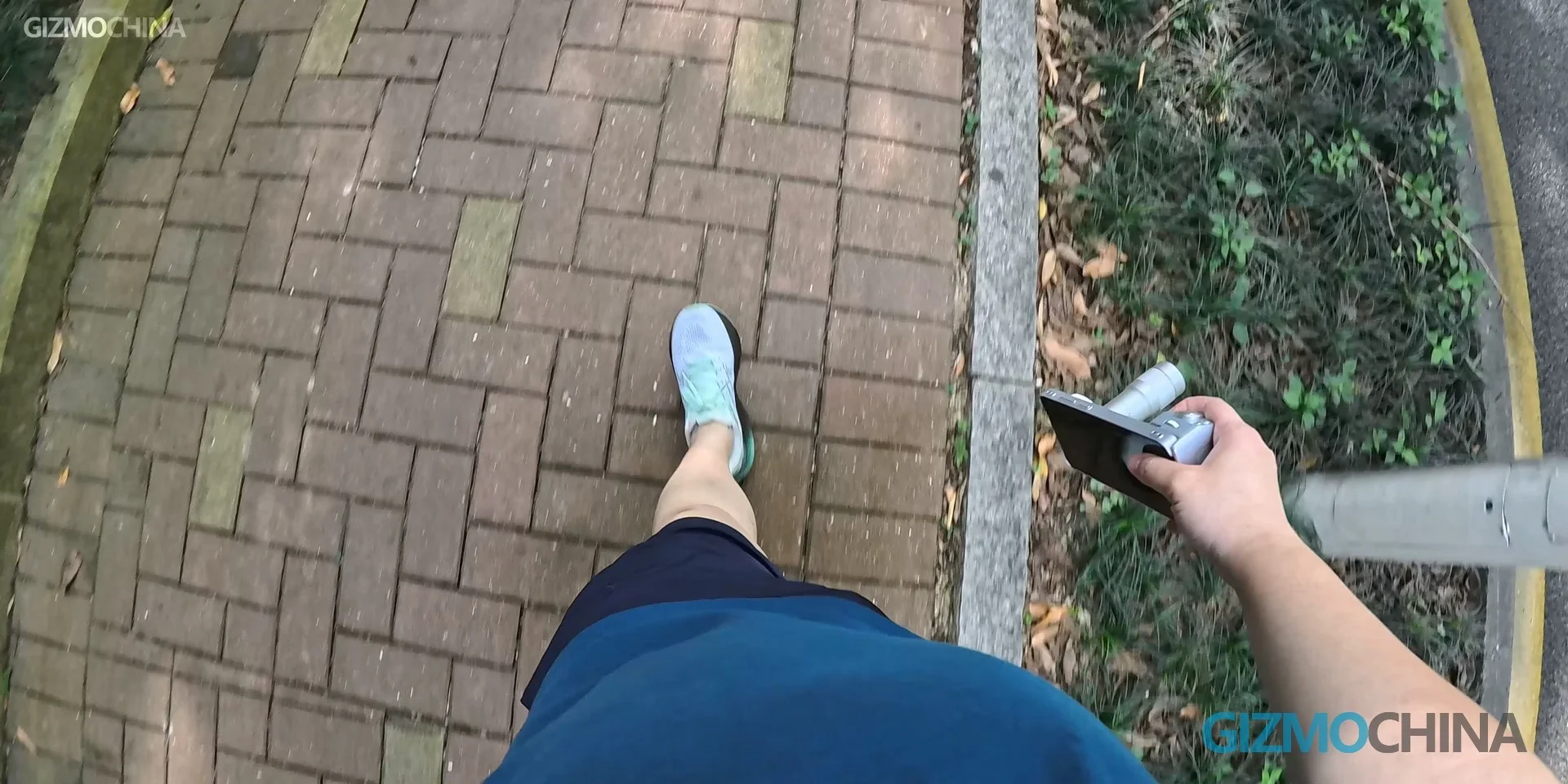
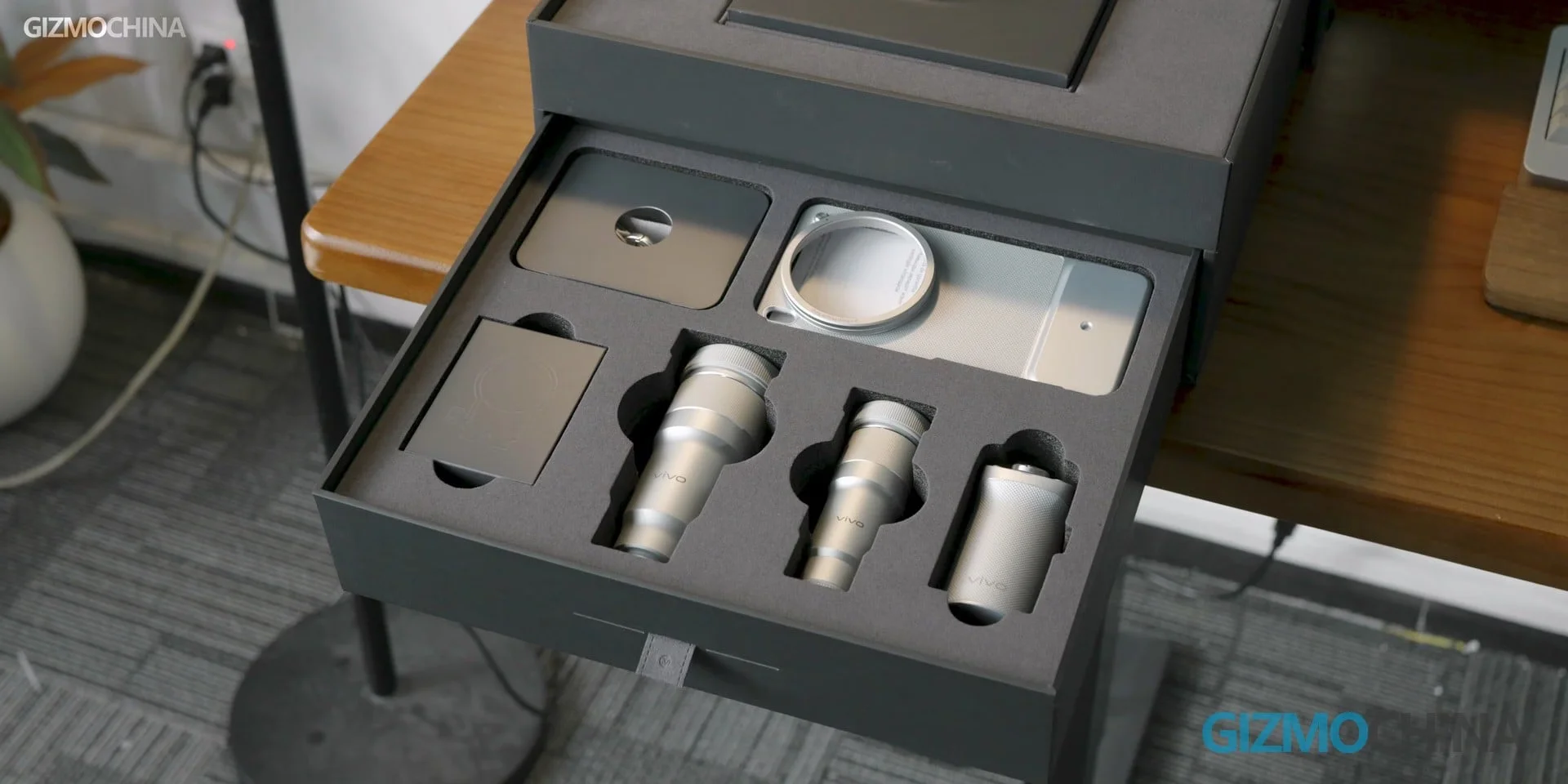
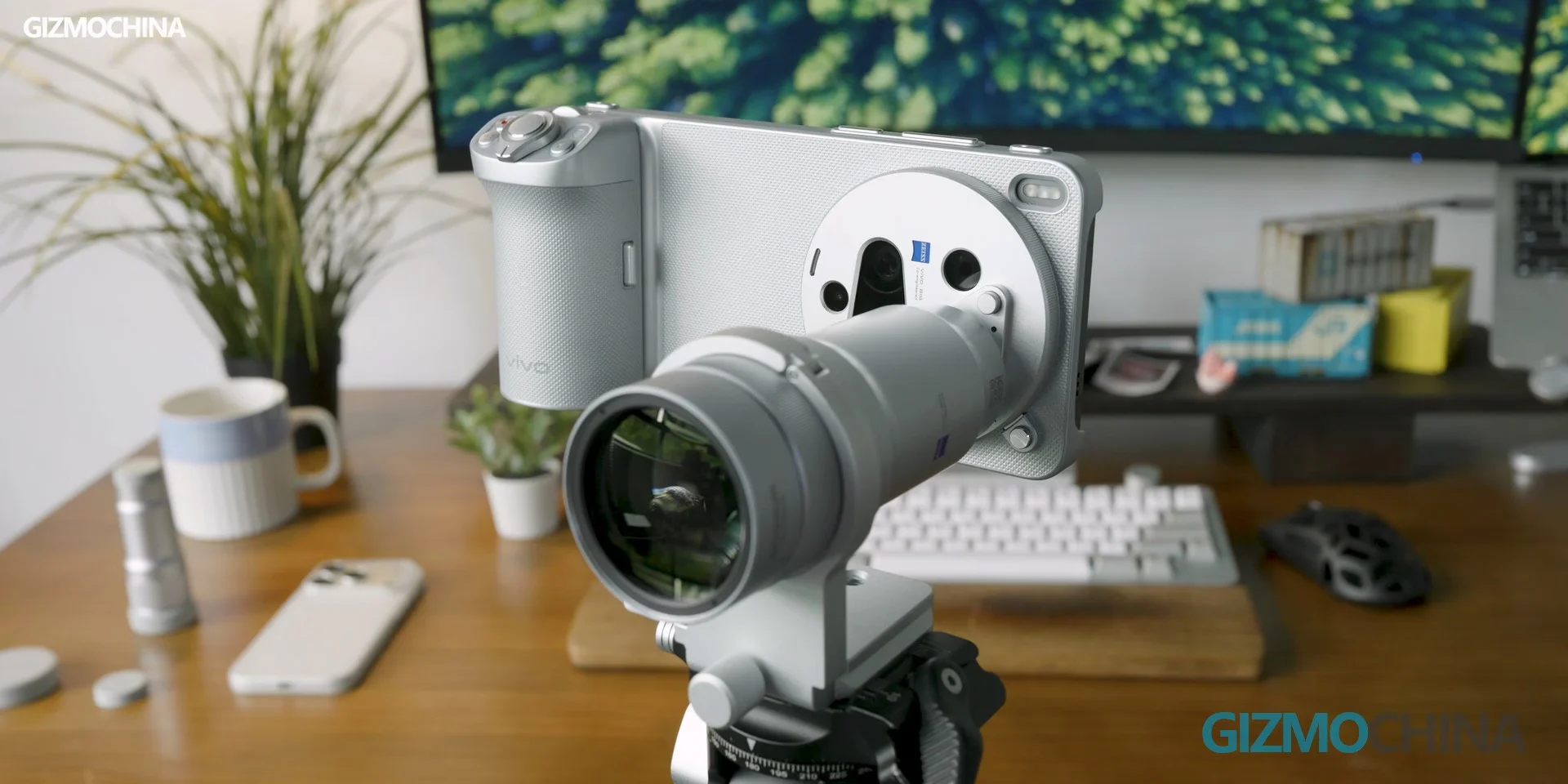
The photography kit looks the part—silver grip, tripod collar, filter adapter, and the new 200mm teleconverter lens. The design borrows heavily from its predecessor, but the color swap from black to silver is the only real change. Attach the accessories and you have a chunky phone-cam hybrid.
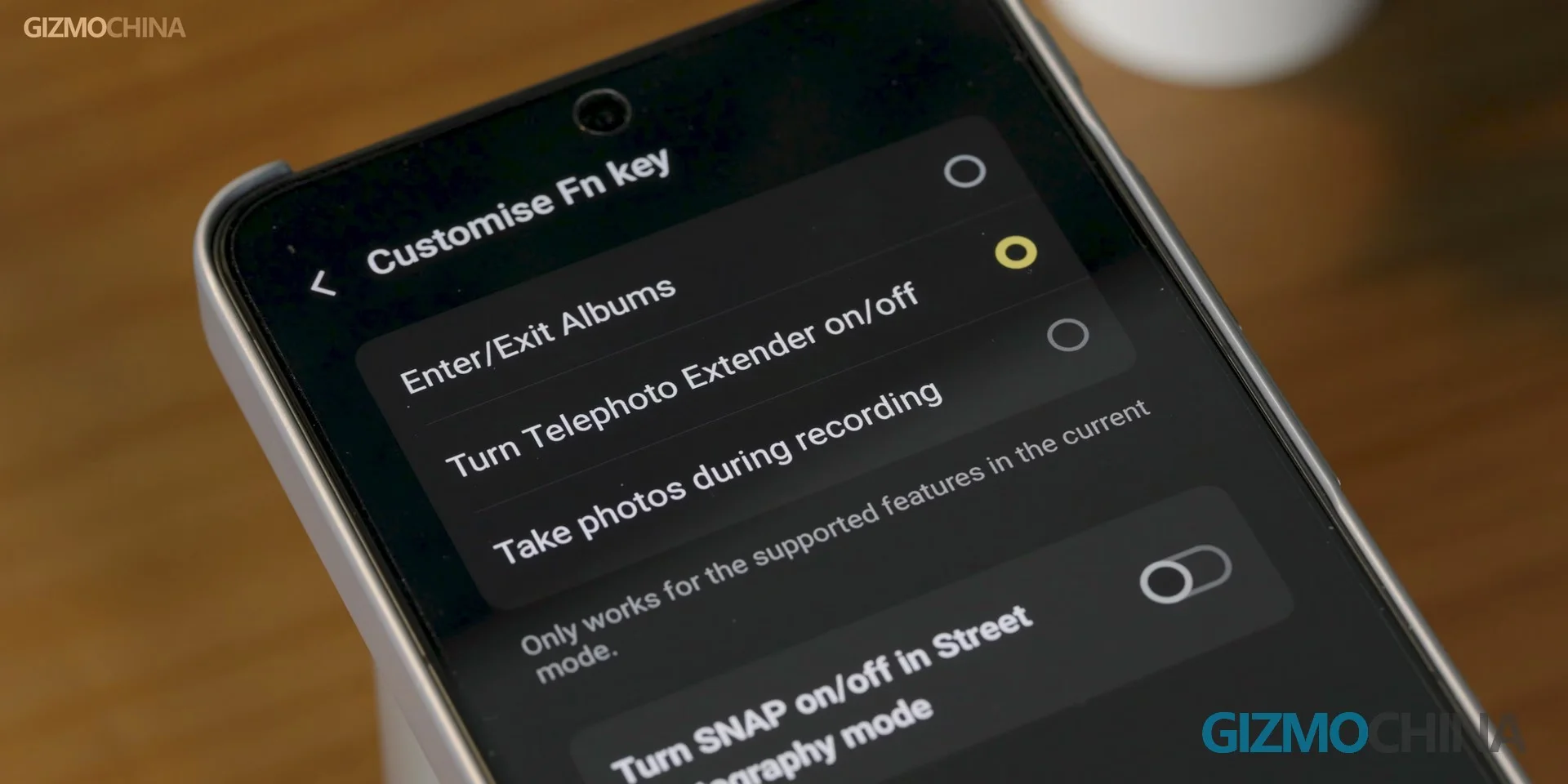
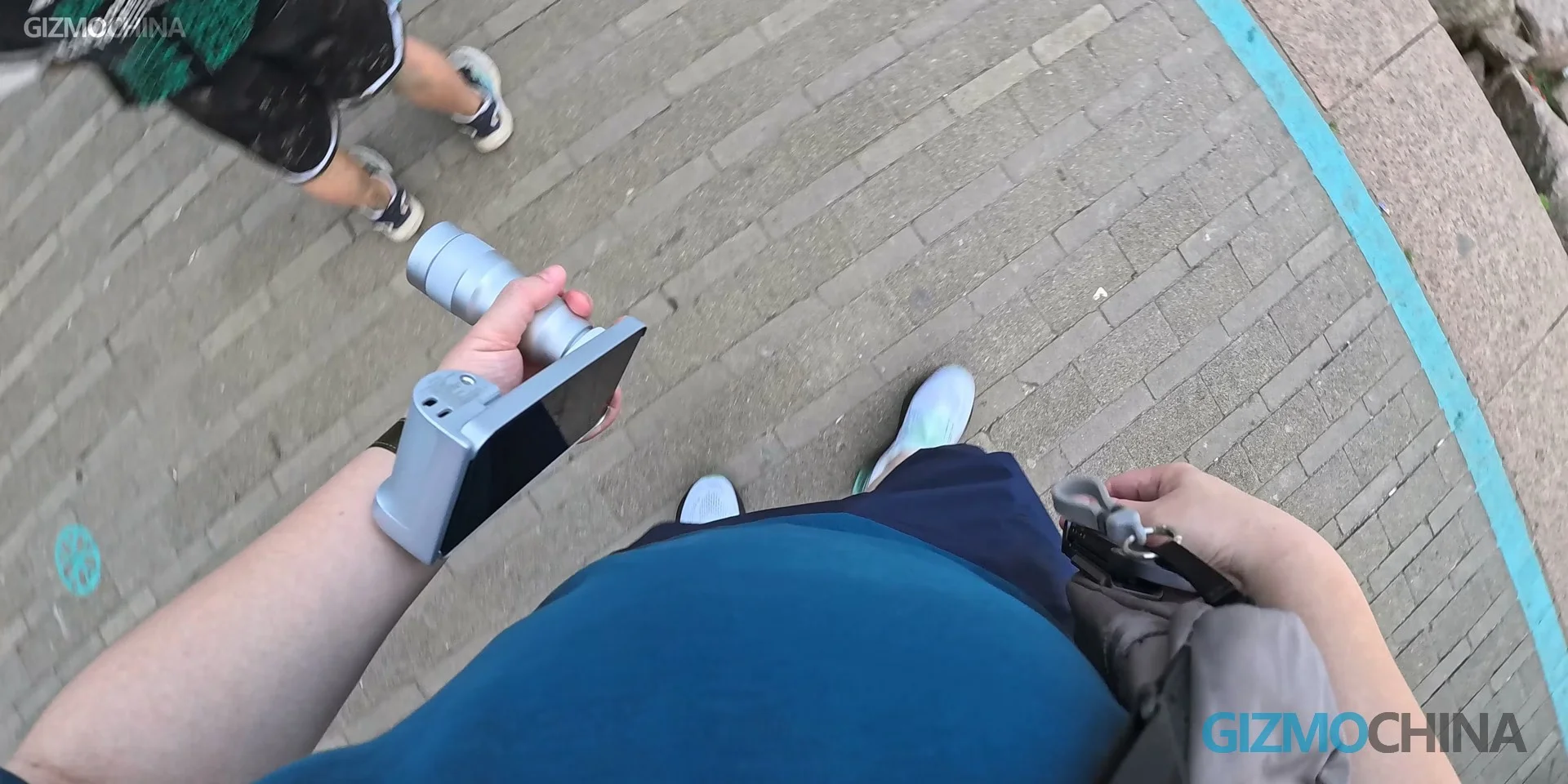
The grip’s buttons and dials are customizable. The Fn key is essential—quickly toggling teleconverter mode is mandatory for street or bird photography. Holding the 200mm teleconverter with the grip feels natural; the 400mm lens, however, is unwieldy and better held solo.
Astrophotography: The Moon’s Best Buddy
Astrophotography buffs will gravitate toward the 400mm lens. At 1600mm zoom with digital assistance, the moon photos look surprisingly natural. Craters show up with minimal AI over-processing, a rarity in smartphone astrophotography.
Stabilization is impressive—handheld shots without a tripod mostly come out sharp. Even pros struggle to match this without mounts. The downside: other celestial bodies remain out of reach without dedicated gear.
Stage Mode Turns Concerts Into Portrait Studios
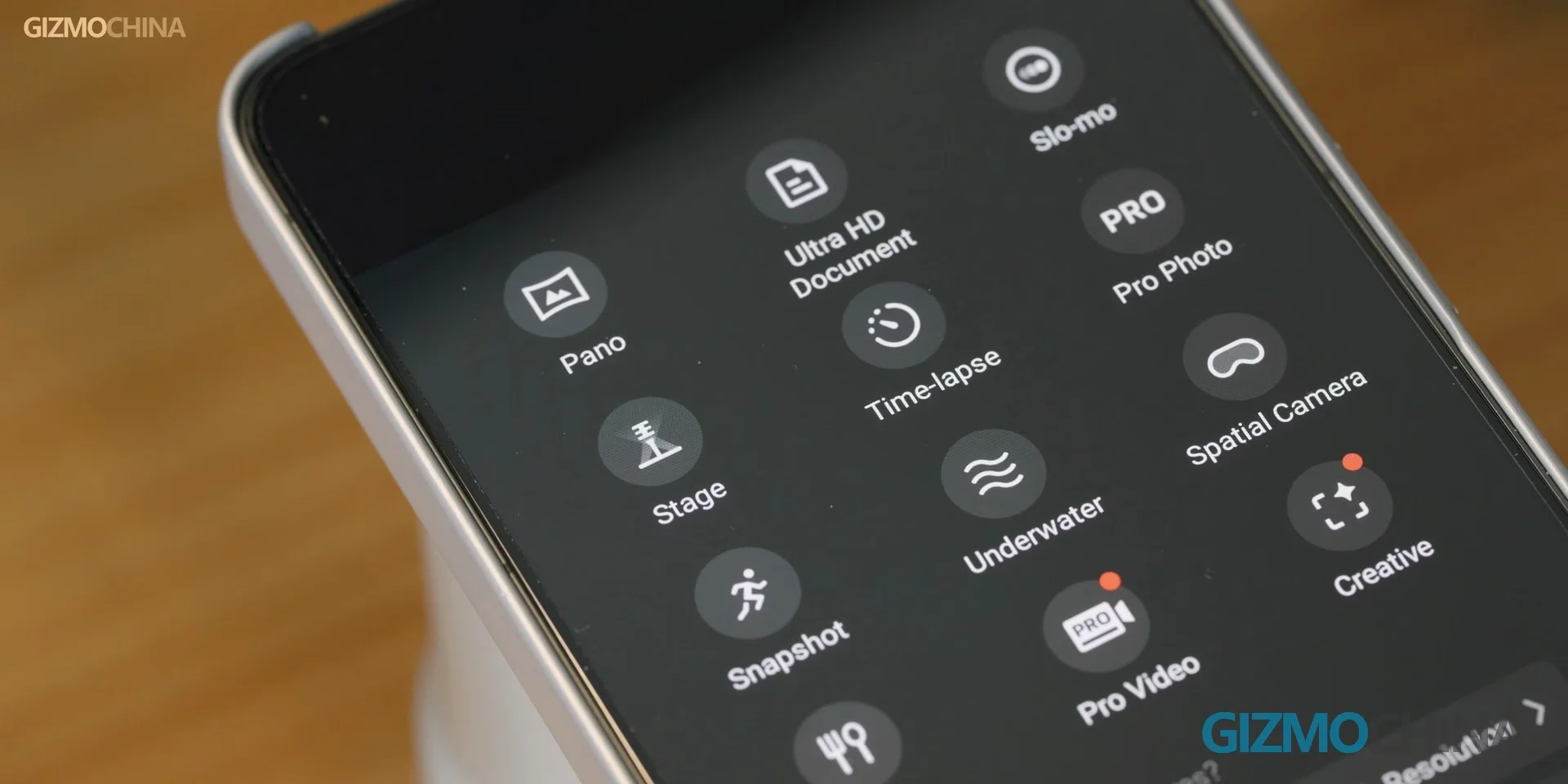
Concert photography is where the X300 Ultra kit shines. Vivo’s Stage mode tweaks exposure, shutter speed, and contrast while AI adds detail to hair and skin texture. From 20 meters away, the phone captures remarkable clarity.
Not everyone likes AI enhancements, and neither do I. But in low light, Stage mode is the difference between blurry regrets and decent shots. Daylight Auto mode also produces sharp, natural photos without AI interference.
Wildlife Shots: Entry-Level, Borderline Frustrating
Wildlife photography demands patience and gear. The X300 Ultra kit offers a cheap entry point—€3000 for phone plus accessories—but it’s far from a pro setup. Handheld bird shots are sharp but autofocus often misses the subject. About 25% of bird photos focus on the wrong spot.
Two more issues linger: electronic stabilization causes shaking artifacts at high zoom, and the 400mm focal length just isn’t enough for serious birders. In low light, digital zoom can’t save the shot. Tripods and stabilization off remain necessary for flight shots.
GizmoIndo’s Take
This kit is a niche tool with clear strengths and glaring weaknesses. Concert photography is the obvious winner—the phone’s AI and stabilization make it capable in challenging lighting. Astrophotography benefits from the optics and zoom but remains limited. Wildlife photographers get a taste but will quickly outgrow the setup.
Spend €600 on the kit only if you know exactly what you want to shoot. Otherwise, the X300 Ultra’s teleconverter is a conversation piece—cool tech that doesn’t replace dedicated cameras or lenses. Vivo is inching closer to bridging smartphone and pro photography, but this isn’t the leap yet.
(Via)