Choosing technology based solely on specs often leads to disappointment. Many buyers focus on headline numbers—processor speed, megapixels, or battery capacity—without considering how these translate into daily use. The bigger question is whether the device fits your real needs and budget, especially given varied availability across regions.
- Specs don’t always reflect practical usability or software support.
- Price and availability differ widely, affecting value for international buyers.
- Trade-offs like battery size versus portability matter in real-world use.
- Understanding your typical usage helps avoid overspending on unnecessary features.
Why Raw Specs Don’t Tell the Whole Story
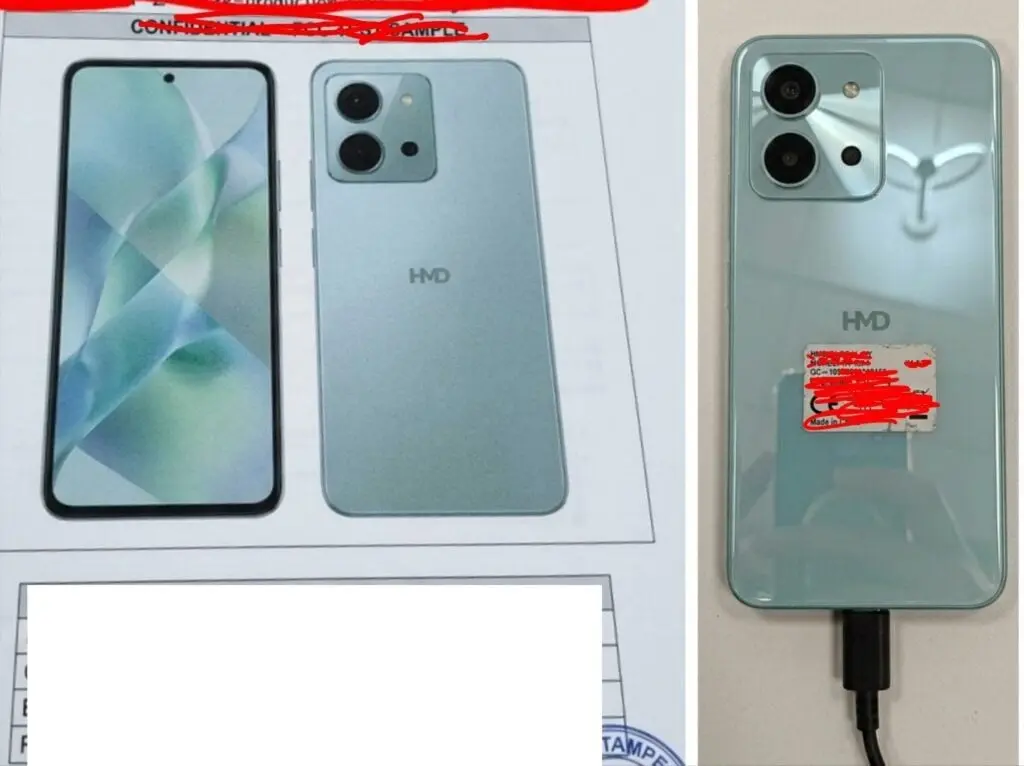
High numbers on paper can be misleading. A smartphone with a 108MP camera may sound impressive, but if the image processing software isn’t up to par, photos won’t meet expectations. Similarly, a powerful processor might throttle under sustained load, making gaming or multitasking less smooth than anticipated.
Software updates and ecosystem compatibility often add more to the user experience than outright hardware specs. Buyers should consider how long a device will receive updates and how well it integrates with other tools they use.
Price and Regional Availability Shape Value
Prices for the same device can vary significantly depending on the market. Import taxes, local warranties, and retailer markups influence the final cost. Some models may not even be available in certain countries, forcing buyers to consider alternatives or accept compromises.
It makes more sense for buyers to focus on devices that provide consistent support and availability in their region rather than chasing the latest specs alone.
The Trade-Off Between Battery Capacity and Portability
Long battery life is a key concern for many, but bigger batteries add weight and bulk. A slim device may offer less endurance but is easier to carry and handle daily. Buyers should assess whether they prioritize multi-day backup or pocket-friendly design.
This trade-off often depends on usage patterns. Travelers and professionals on the move may prefer lighter devices with fast charging, while users who spend long hours away from power sources might accept larger, heavier models.
Consider Your Real-World Needs Before Buying
Ultimately, the best tech choice balances specs, price, availability, and usability. Consider how you use your devices: Do you need a phone with a top-tier display for gaming or a reliable device for messaging and calls? Are software updates and customer support priorities? Answering these will guide smarter purchases.
Consider it if you want a device that fits your daily routine and budget rather than chasing headline specs. Skip it if you’re focused on numbers without regard for real usability or regional support.
(Via)