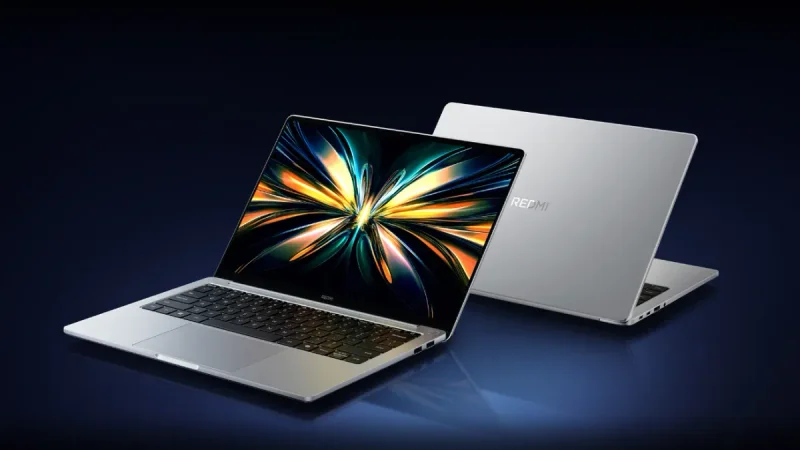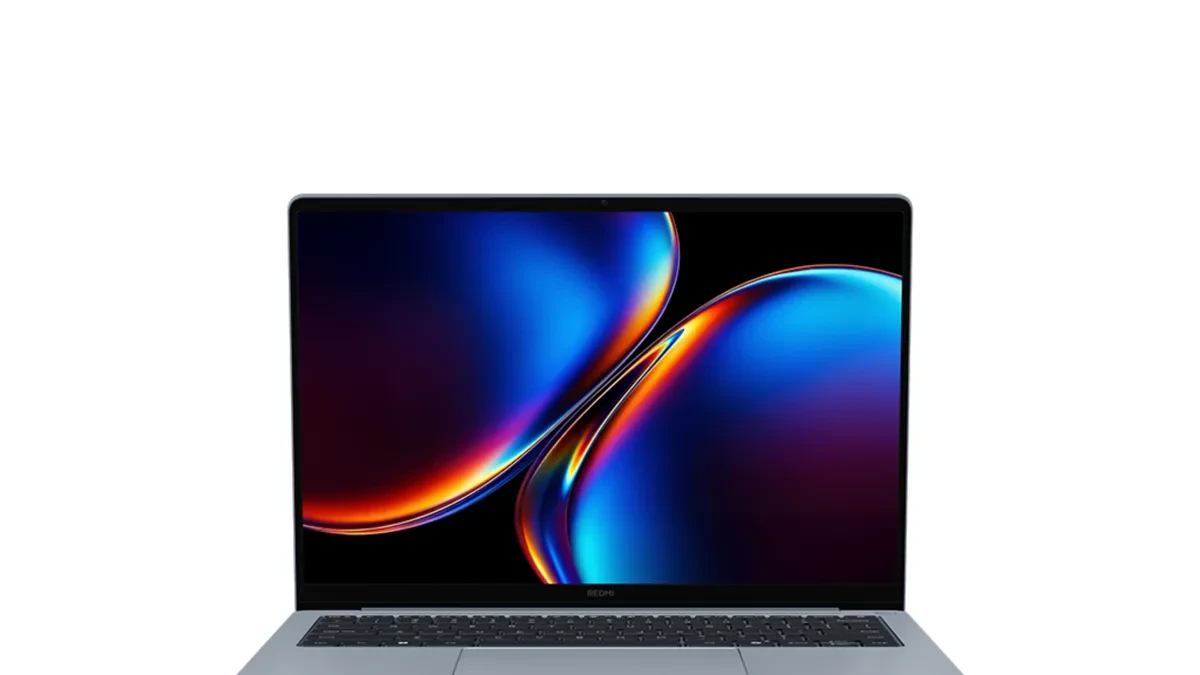
Xiaomi has quietly raised the retail prices of at least seven laptop models in its home market overnight, catching prospective buyers and tech analysts off guard. Affected devices include high-volume mainstream units alongside higher-tier notebooks, such as the 2025 and 2026 iterations of the Redmi Book Pro 14 and Redmi Book Pro 16, as well as the flagship Xiaomi Book Pro 14. Depending on the configuration, price tags jumped by 400 yuan to 700 yuan (approximately $56 to $98), representing an unexpected price bump for hardware that previously traded on aggressive price-to-performance ratios.
The most dramatic price hike hits the 2025 Redmi Book Pro 16. Just days ago, the notebook retailed for $658 (4,699 yuan). Overnight, the listing jumped to $756 (5,399 yuan), reflecting a flat $98 increase on identical hardware specifications. Other affected units tell a similar story. The 2025 Redmi Book Pro 14 climbed from $952 (6,799 yuan) to $1,022 (7,299 yuan), while the newer 2026 Redmi Book Pro 14 saw its base price shift from $1,008 (7,199 yuan) to $1,078 (7,699 yuan). The 2026 Redmi Book Pro 16 similarly registered a $68 price bump, increasing from $1,036 (7,399 yuan) to $1,106 (7,899 yuan).
Supply Chain Pressures Drive Unannounced Price Shifts
Xiaomi has not released an official public explanation regarding the sudden price adjustments. However, market observers and supply chain tracking reports point toward escalating procurement costs for crucial core hardware components. Memory modules, SSD storage chips, and laptop-grade processors have experienced sustained price volatility throughout the year, squeezing profit margins across the PC manufacturing sector.
Unlike traditional computer makers that maintain high gross margins to absorb supply chain fluctuations, Xiaomi operates its hardware division on famously thin profit margins. When component costs rise at the factory level, low-margin hardware businesses are often forced to pass those expenses directly to end consumers rather than absorb the losses internally. The complete absence of marketing lead-up or advance warning confirms that this adjustment was a reactive move to immediate financial pressures.
How Import Markets and Global Buyers Are Impacted
For PC enthusiasts outside Asia, Xiaomi's laptop catalog occupies a unique niche. While Xiaomi does not officially distribute these specific Redmi Book Pro or Xiaomi Book Pro models in Europe, North America, or Southeast Asia, they remain highly sought-after through third-party import platforms like AliExpress, TradingShenzhen, and Giztop.
Because third-party retailers purchase their inventory directly from mainland Chinese wholesale channels, these domestic price bumps will inevitably trickle down to international buyers. Anyone planning to import a Redmi Book Pro 14 or 16 will likely encounter higher baseline listing prices and inflated customs value declarations over the coming weeks as old inventory clears out.

What This Signals for the PC Industry
Overnight price increases on mature, already-released laptop lines are relatively rare in the consumer electronics industry. Manufacturers typically prefer to quietly phase out older hardware or introduce new spec refreshes at higher price points rather than altering active retail prices mid-cycle.
Xiaomi's sudden revision across seven distinct laptop SKUs underscores the reality of current hardware manufacturing costs. Prospective buyers hoping for seasonal discounts on Xiaomi laptops may instead need to adjust their expectations, as baseline costs across the mid-range computing market continue to feel the pressure of raw component inflation.