At Computex, Acer showcased the Predator Atlas 8 gaming handheld that uses microSD cards with UHS-II technology. While UHS-II cards have become somewhat niche, their pricing dynamics reveal a striking disparity compared to microSD Express cards, which offer significantly faster speeds overall. This price-performance imbalance raises questions for gamers and tech enthusiasts seeking optimal storage solutions.
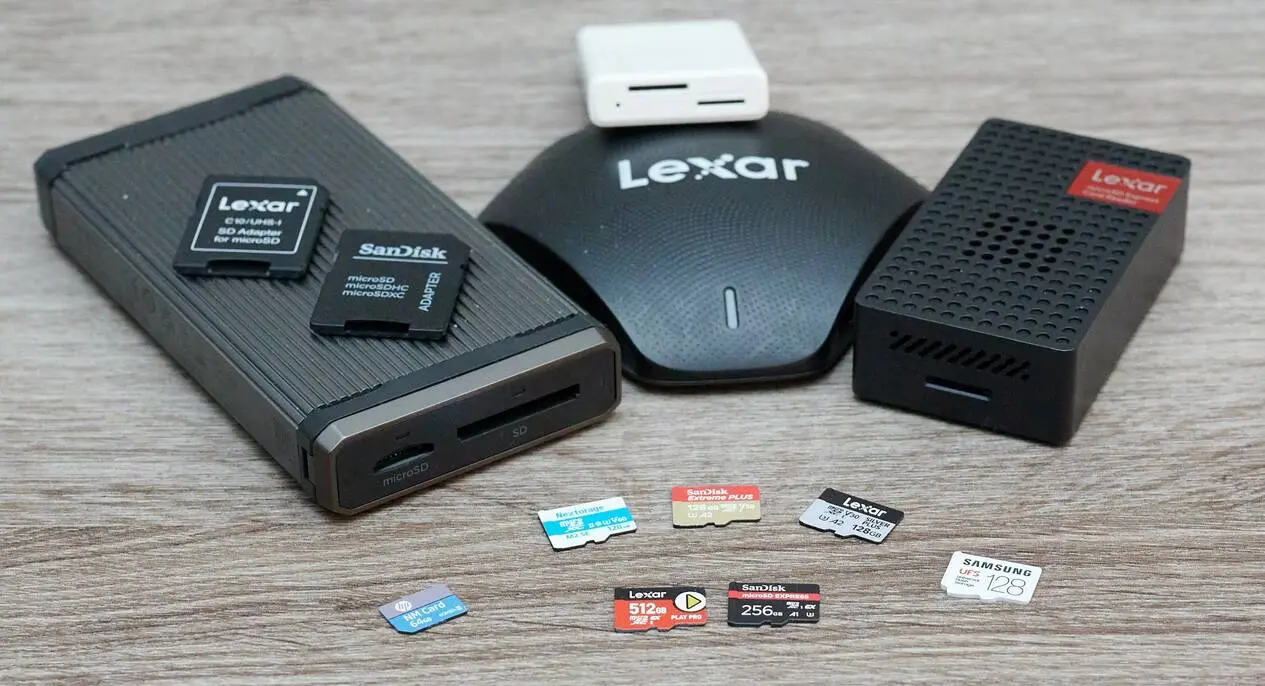
- UHS-II 256 GB microSD cards now cost about twice as much as faster microSD Express cards.
- microSD Express cards, popularized by Nintendo Switch 2, retail between 50 and 60 euros (approximately 55 to 65 USD).
- Top-tier UHS-II cards from brands like Nexstorage, Lexar, and Sabrent hover around 115 to 120 euros (125 to 130 USD) for 256 GB.
- SD Express adoption is growing, with more laptops and Asus gaming handhelds supporting the standard, potentially shifting market dynamics.
Price Surge Highlights Market Shifts in microSD Storage
Recent market analysis using European price comparison platform Geizhals and observations at a local MediaMarkt store underscore a significant price surge for UHS-II microSD cards, especially at the 256 GB capacity point. Prices for these cards have nearly doubled over the past year, despite their slower performance compared to microSD Express cards. For instance, Nexstorage’s UHS-II 256 GB card is priced at around 120 euros (130 USD), while microSD Express cards offering superior speed are available for nearly half that price.
This discrepancy is particularly pronounced considering that for the UHS-II price, consumers could acquire 512 GB capacity microSD Express cards priced around 130 euros (140 USD). The growing preference for microSD Express technology, fueled by devices like Nintendo Switch 2, is reshaping consumer expectations and value propositions in the storage market.
Emerging Adoption of SD Express Could Reshape Market Dynamics
Beyond handheld gaming devices, SD Express technology is gaining traction in laptops and other portable electronics. Asus, for instance, has introduced microSD Express support in its new gaming handheld, signaling wider industry adoption. While SD Express cards offer remarkable speed advantages, challenges remain such as thermal management and the current scarcity of compatible card readers.
SD Express readers capable of handling both SD Express and UHS-II standards are anticipated to enter the market later this year, potentially easing compatibility concerns. Meanwhile, UHS-II readers cannot leverage SD Express speeds, limiting the utility of this emerging standard for current users.
Price Convergence Among Lower-Speed Cards Raises Questions
Interestingly, prices for fast UHS-I microSD cards from reputable manufacturers have approached those of microSD Express cards, despite offering lower performance. This trend suggests a complex market influenced by factors beyond raw speed, including brand positioning and supply chain dynamics. The ongoing AI-driven memory demand crisis further complicates pricing and availability across the board.
Implications for Consumers and the Industry
The stark price-performance gap between UHS-II and microSD Express cards challenges the value proposition for consumers, especially gamers and professionals who demand both speed and capacity. Manufacturers and retailers face pressure to balance pricing strategies with evolving technology standards, while consumers must navigate compatibility and cost considerations carefully.
As SD Express adoption expands and compatible hardware becomes more prevalent, the storage market may witness a realignment favoring this newer standard. However, the persistence of UHS-II in certain devices and the cost premium associated with it indicate a transitional period with inherent trade-offs.
Ultimately, the microSD card market reflects broader tensions in the tech industry where innovation, pricing, and consumer demand intersect, requiring keen attention from stakeholders across the ecosystem.
Reference: Notebookcheck.net