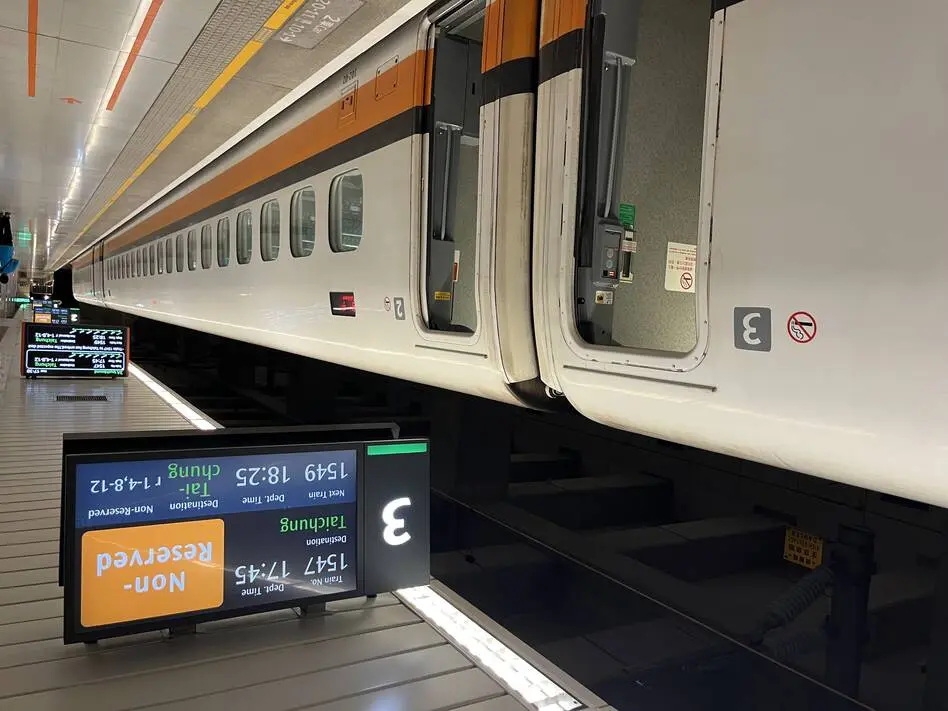
High-speed rail systems often function as regional transit, a reality clearly visible in Taiwan. During recent travel, the THSR system demonstrated a streamlined approach to spontaneous ticketing that bypasses traditional queues. By leveraging the official THSR app and Bluetooth proximity, passengers can purchase tickets directly at the gate, offering a modern alternative to paper-based travel.
- Spontaneous ticket purchases via the THSR app using Bluetooth proximity.
- Payment integration with Apple Pay for a seamless digital experience.
- QR code-based gate access compatible with existing station infrastructure.
- Flexible ticket usage allowing for travel on subsequent trains if necessary.
Digital Ticketing in Practice
The system is designed for efficiency. By utilizing Bluetooth beacons near ticket gates, the app detects a user’s location, allowing them to select a destination and finalize a purchase with minimal effort. While internet access is required, the process is fast enough to complete while walking toward the barrier. Once processed, the ticket generates a QR code that is scanned at the gate, providing a paperless entry method that rivals other global high-speed rail systems.
For those seeking even faster transit, the THSR infrastructure supports various methods, though the app-based approach remains a standout for tourists. While European transit systems often struggle with QR scanning latency, the THSR implementation is notably responsive. Passengers should simply maintain a steady pace to ensure the scanner registers the code effectively before the barrier opens.
Value and Operational Context
Cost efficiency remains a priority for local commuters. A short ride from Taipei Main Station to Taipei-Nangang costs approximately $1, while a transfer to the exhibition center adds roughly another $1, totaling a $2 trip. This pricing structure is competitive, especially considering the speed and comfort afforded by the Shinkansen-style trainsets. Unlike local metro lines, THSR allows eating on board, and passengers can purchase refreshments like bento boxes for about $4, keeping travel expenses predictable.
The system is currently experiencing high demand, which occasionally leads to standing-room-only scenarios during peak hours. The operator is addressing this by importing new trainsets, with a 25% capacity increase expected within the next year. Despite the density, the service maintains exceptional punctuality, often reaching speeds up to 186 mph. For travelers navigating the Taipei metropolitan area, the THSR offers a high-speed alternative to the Bannan Line, provided they are aware of the schedule gaps inherent in long-distance rail planning.
Source: Notebookcheck