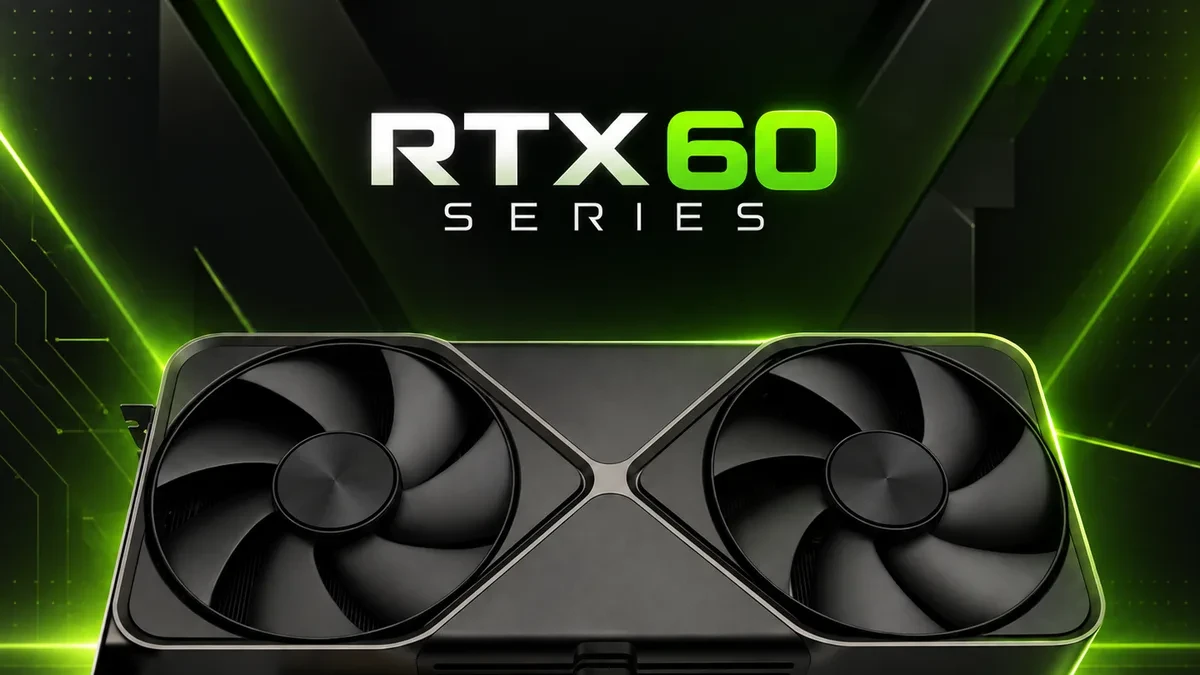
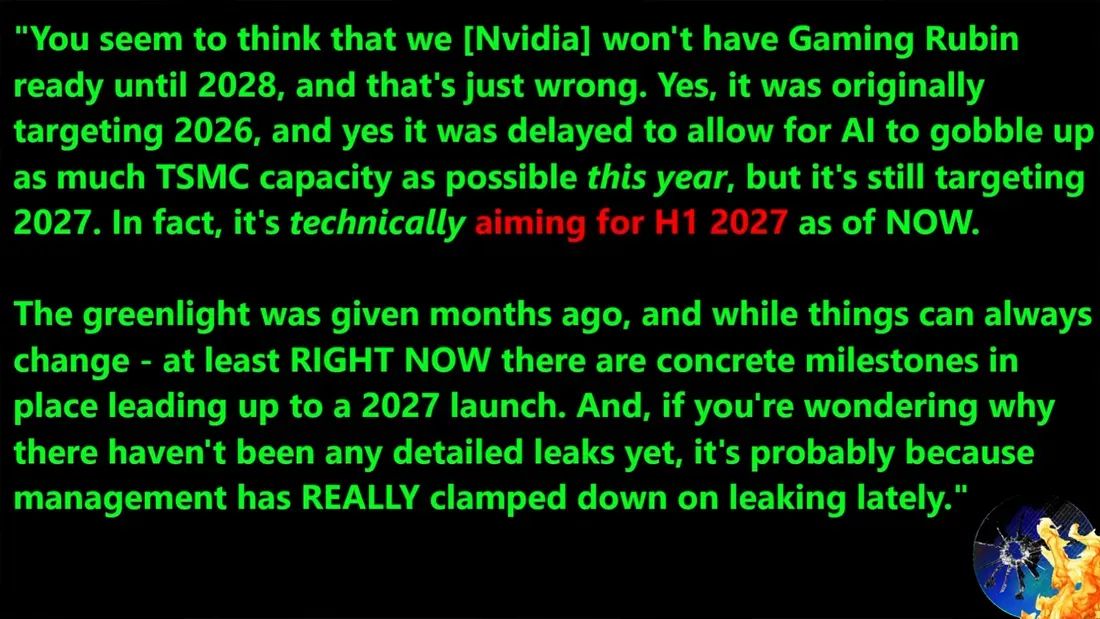
Nvidia appears to be refining its roadmap for the of GeForce graphics cards, with recent reports pointing toward an early 2027 launch window for the RTX 60 series. While previous speculation suggested a 2026 debut, internal adjustments have reportedly pushed the timeline forward to accommodate Nvidia's booming AI hardware sector, which currently commands the lion's share of TSMC's manufacturing capacity.
Industry whispers indicate that the Rubin-based architecture has received the internal green light, solidifying milestones aimed at a first-half 2027 arrival. This strategic delay serves a dual purpose: it allows Nvidia to maximize profit margins on high-demand data center components while potentially providing more time to finalize the intricate physical design of its next consumer flagship.
Rethinking the Flagship Architecture
The technical specifications of the RTX 60 series remain shrouded in mystery, though industry analysts are already debating the potential for a shift toward chiplet-based designs. While a move to a 2 nm manufacturing process is a common topic of discussion, Nvidia may opt to reserve its most advanced TSMC N2 capacity for its enterprise-grade AI products. This would leave the RTX 60 series to potentially utilize the 3NP process, balancing performance gains with thermal and power efficiency.
Extracting significant raw performance improvements without ballooning power consumption remains a primary engineering hurdle. With the ongoing scrutiny surrounding power connector stability in current generations, Nvidia faces pressure to deliver efficiency alongside raw throughput. If the company follows its recent trajectory, we may see a heavier reliance on software-driven advancements, such as further iterations of DLSS, to bridge the gap where traditional silicon scaling hits physical limits.

The Competitive Landscape and Market Uncertainty
A 2027 launch puts the RTX 60 series on a direct collision course with AMD's upcoming RDNA 5 architecture. Reports suggest that AMD is preparing a substantial generational leap for its high-end Radeon GPUs, though rumors regarding the exact release date for those cards remain as fluid as Nvidia's own timeline. The competitive tension is palpable, as both companies grapple with the rising costs of advanced node manufacturing.
Meanwhile, the status of the rumored RTX 50 Super lineup continues to perplex the market. Questions persist regarding whether these models will ever reach retail shelves or if they have been quietly shelved to avoid cannibalizing the existing stack. As it stands, enthusiasts are left waiting to see if Nvidia will introduce a mid-cycle refresh or if the company intends to pivot entirely toward the upcoming Rubin generation. Given the volatile nature of supply chains and manufacturing priorities, these plans remain subject to change as the industry navigates the complexities of the 2027 landscape.