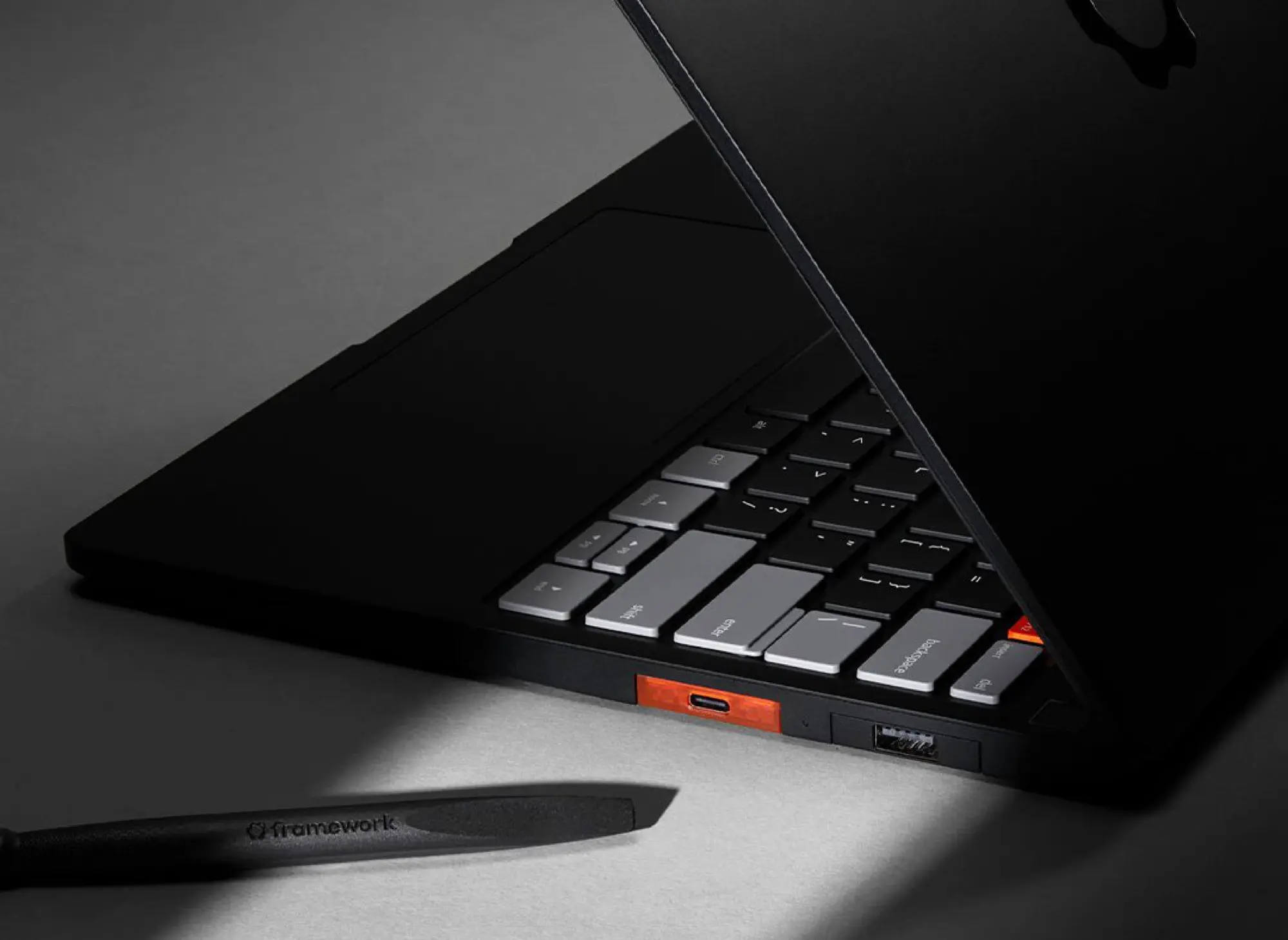
Framework’s ambitious entry into the high-end laptop market with its Laptop 13 Pro has hit an unexpected snag, delaying delivery by at least a month. Originally slated to rival established players like Apple’s MacBook Pro with deliveries beginning in June, the new timeline now pushes shipments to late July or early August for early pre-orders. New orders face even longer waits, stretching from August through October depending on configuration.
- The delay is not linked to the ongoing global DRAM shortage but stems from newly discovered hardware defects.
- Key issues involve a grounding problem in the haptic touchpad’s mainboard and firmware-related bugs in the display panels.
- Framework’s component supplier CSOT is actively addressing the display firmware glitch with updated production runs.
- Customers unwilling to wait can opt for order cancellation with full deposit refunds.
Hardware Glitches Disrupt Production Schedule
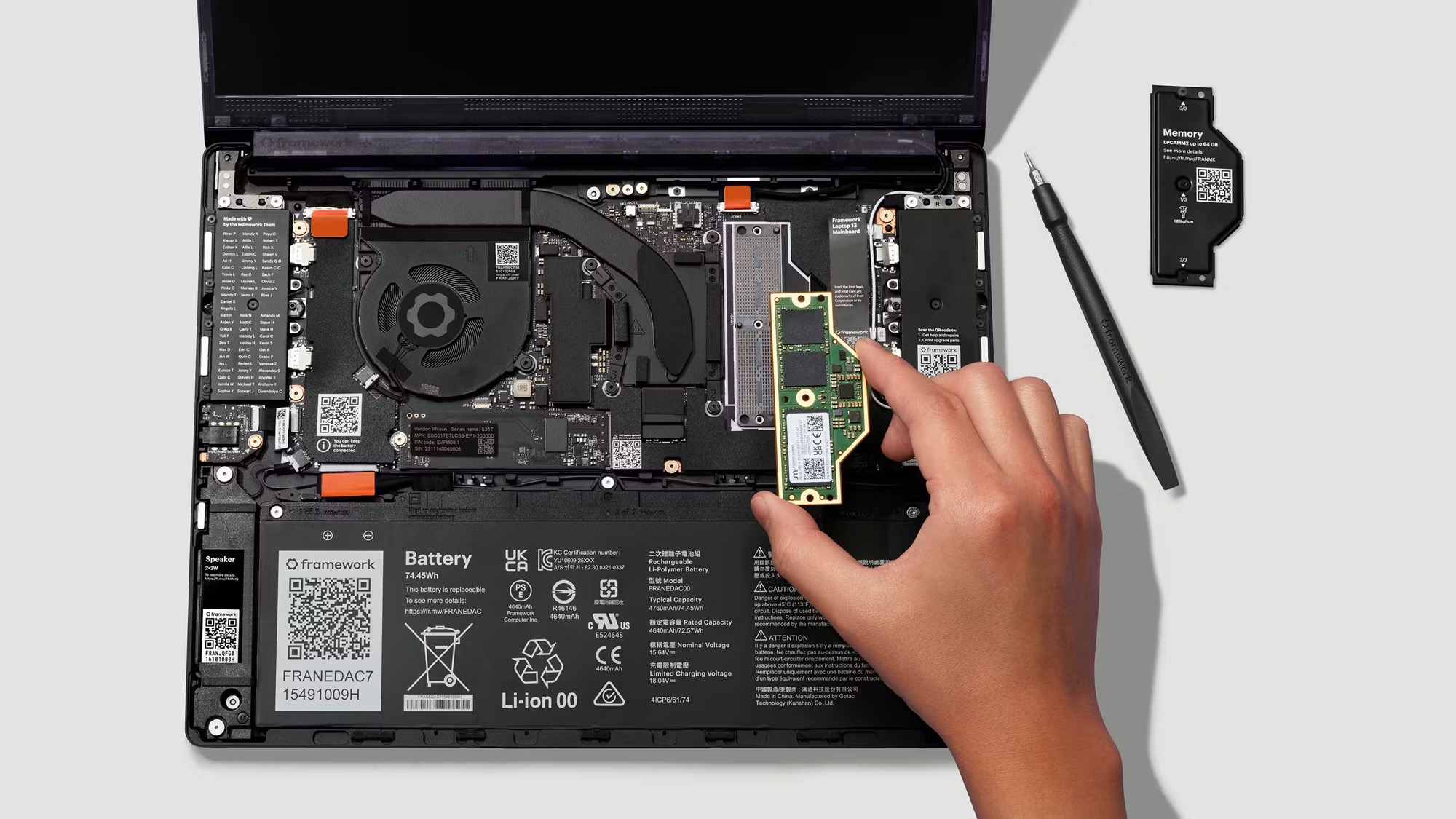
Framework’s Laptop 13 Pro was designed as a modular, high-performance device targeting discerning users who value repairability and sustainability alongside power. However, just before mass production ramp-up, the company identified critical flaws in two vital components. The haptic touchpad’s original mainboard design caused a grounding issue, potentially resetting the touchpad status when clicked repeatedly. Such instability threatens user experience and product reliability, forcing Framework to halt production and revisit the design.
Simultaneously, the display panels, supplied by CSOT for the Chinese market, exhibited firmware bugs that compromised performance. Although resolved with a firmware update, this required CSOT to manufacture new panels with corrected software, introducing further delays.
Implications for Supply Chain and Customer Trust
This delay highlights the fragility of hardware supply chains, especially for emerging laptop manufacturers challenging entrenched incumbents. Unlike many recent delays rooted in DRAM shortages, Framework’s issues underscore how component-level design and firmware integration remain critical risk points. For a company positioning itself on transparency and user empowerment, openly communicating the delay and offering refunds reflects a commitment to customer trust.
However, the setback could impact Framework’s momentum in capturing market share from established brands. Deliveries postponed by over a month risk losing early adopter enthusiasm and could give rivals time to counter with refreshed offerings.
Broader Industry Context and Platform Power Dynamics
Framework’s struggles serve as a microcosm of the broader tech ecosystem where component suppliers and platform manufacturers wield considerable influence over product timelines and quality. The dependency on suppliers like CSOT for critical modules highlights the uneven power balance in the supply chain. Firmware bugs, often unseen by consumers, can cascade into costly production delays, amplifying the systemic challenges startups face when competing against vertically integrated giants who control both hardware and software stacks.
Future Outlook and Potential Global Launch
Framework’s swift identification of the problems and transparent communication bode well for eventual product quality and customer satisfaction. The company’s modular approach and focus on repairability remain compelling differentiators in a market hungry for sustainable innovations. The delay also provides a window to refine production processes before a wider global launch, potentially minimizing future disruptions.
As Framework navigates these hurdles, the Laptop 13 Pro’s reception upon release will offer valuable insights into how smaller players can disrupt entrenched supply chains and platform dynamics in the laptop industry.
Reference: Framework | notebookcheck.net