Xiaomi is fundamentally rethinking the utility of secondary smartphone displays. Rather than treating the rear screen as a simple vanity mirror for selfies or a static notification ticker, the upcoming Xiaomi 18 Pro introduces a 'Versatile Back Screen' capable of building and running bespoke, AI-generated applications on the fly.
This shift moves the secondary display from a passive information portal to an active, task-oriented workspace. By leveraging generative AI, the system allows users to create specialized micro-apps tailored to their immediate needs, effectively turning the back of the phone into a customizable productivity hub. Whether you need a quick egg-cooking timer, a focused Pomodoro session, or a vocabulary drill for language learning, the device can synthesize the necessary interface without the need for traditional app store downloads.

Moving Beyond Static Widgets
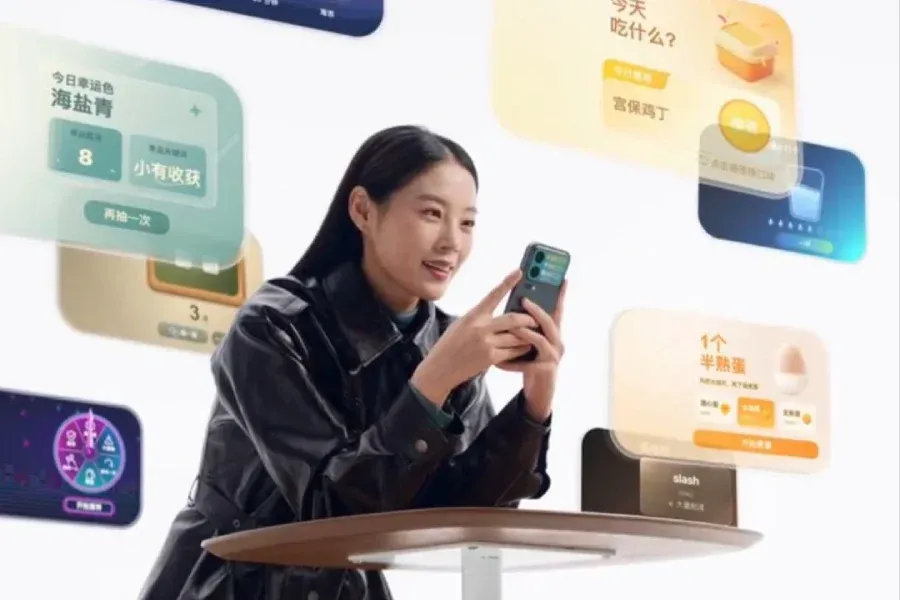
The move marks a significant evolution from the MiShare back screen system that debuted on the Xiaomi 17 Pro. While the previous iteration saw impressive engagement - boasting over 4 million daily interactions with app cards - it remained largely confined to a fixed ecosystem of pre-set widgets and wallpapers. Xiaomi recognized that user needs are inherently idiosyncratic, leading the company to pivot toward a more flexible, generative architecture.
Lu Weibing, President of the Xiaomi Group, emphasized that the goal is to treat the rear display as a distinct computing surface rather than a secondary afterthought. By enabling users to generate their own task-specific cards, Xiaomi is attempting to solve the friction of navigating through a crowded app drawer for repetitive, low-stakes tasks. Users can pin these generated tools directly to the rear panel, ensuring that essential functions - like a quick recipe reference or a water-drinking reminder - are accessible at a glance.
A New Chapter for the Xiaomi Flagship Series
The Xiaomi 18 Pro is slated for a full reveal later this month, with the brand positioning this release as the most significant hardware and software jump in its digital series history. Beyond the rear-screen innovation, the device is expected to pack substantial improvements across its imaging hardware, thermal management, and battery efficiency.
While the prospect of building apps on the back of a phone might sound like a niche experiment, it reflects a broader industry trend of integrating generative AI into the very fabric of mobile interfaces. As smartphones become increasingly powerful, the challenge shifts from raw performance to how effectively that power can reduce the daily friction of our digital routines. With the 18 Pro, Xiaomi is betting that the answer lies in letting the hardware adapt to the user in real time.