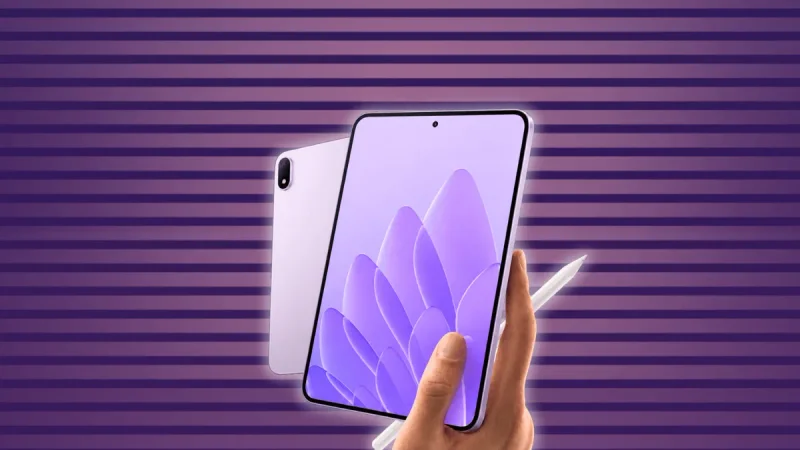
Oppo has officially pulled the curtain back on ColorOS 17, its latest iteration of the Android skin that powers devices across the Oppo, OnePlus, and Realme ecosystems. Announced at the company's developer conference, this update pivots heavily toward aggressive AI integration, memory efficiency, and a refined visual language dubbed Fluid Design.
Beyond the aesthetic polish, the update targets long-standing pain points like background app management and system resource allocation. By leveraging a suite of new proprietary engines, Oppo claims to significantly reduce the overhead that often plagues Android skins over time, making this one of the most substantial software refreshes in recent years.
Under the Hood: Performance and Memory Optimization
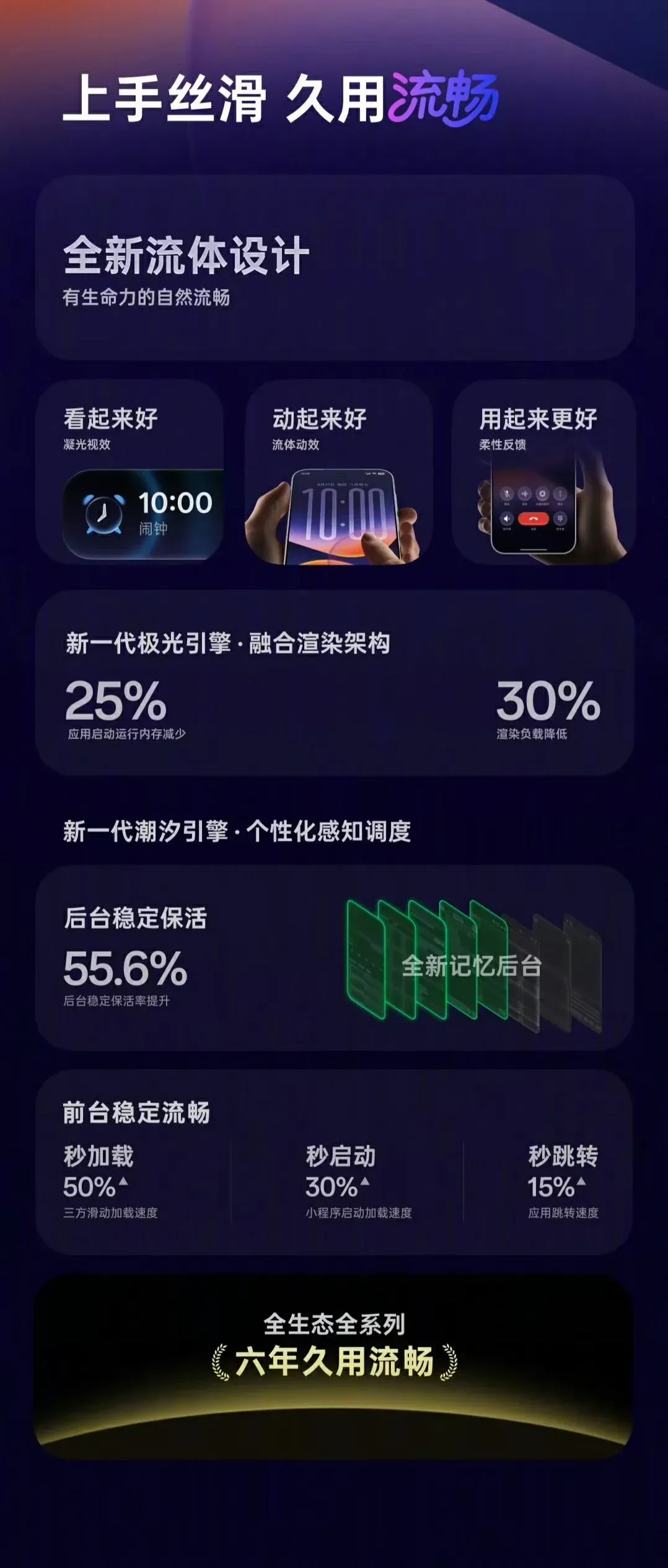
At the core of ColorOS 17 lies the new Polar Light Engine, which Oppo claims reduces app start-up times and runtime memory usage by 25 percent. This is paired with the Tidal Engine, a system that learns individual user behavior - such as which apps you open most frequently and for how long - to intelligently prioritize resources.
This isn't just about raw speed; it's about retention. The Tidal Engine is designed to keep background processes alive, specifically addressing the frustration of losing your place in a form or a social media feed when switching between apps. Oppo reports a 55.6 percent improvement in background app retention and a 50 percent boost in photo gallery loading speeds, suggesting a much smoother experience for power users who juggle multiple tasks.
AI That Actually Does the Heavy Lifting
Oppo is leaning hard into artificial intelligence, but with a focus on utility rather than just novelty. The new AI Photo Editor allows for object removal and motion blur reduction, while the Reference Image Replication feature enables users to apply specific lighting or skin tone profiles from one photo to another.
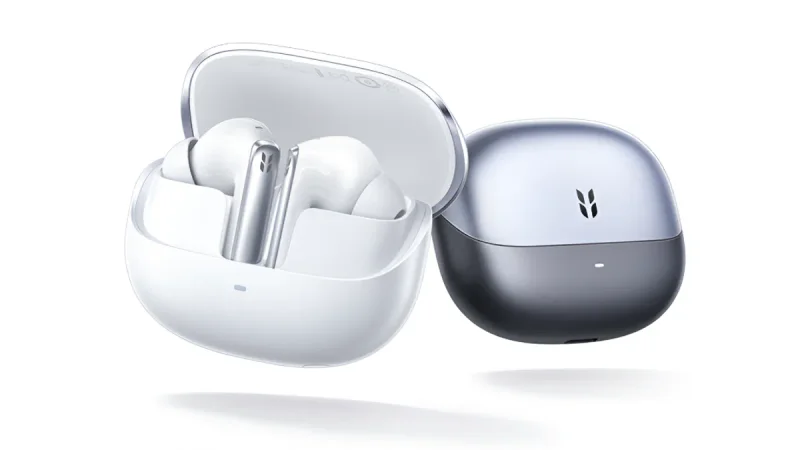
For productivity, the AI Notes feature stands out by allowing users to record meetings and generate structured summaries, complete with information diagrams that identify key viewpoints. Even more ambitious is the real-time interpretation feature, which works with Oppo earphones to translate conversations on the fly. Meanwhile, the AI Fluid Cloud now integrates navigation and transit reminders directly into the system, offering a proactive approach to daily commuting by surfacing subway transfers and walking directions before you even think to check your phone.

Rollout and Device Compatibility
While the announcement focuses on the initial rollout within China, the scope of the update is vast. The rollout begins in October 2024, starting with high-end devices like the Find X9 series and the latest OnePlus flagships. Owners of older hardware, including various Reno and K-series models, will see updates trickling in through November and December.
Global and regional availability outside of China has not yet been confirmed, but given the scale of this update, international users should expect news regarding localized versions in the coming months. If you own an Oppo, OnePlus, or Realme device, it is worth monitoring your system settings for update notifications as the rollout progresses through the end of the year.