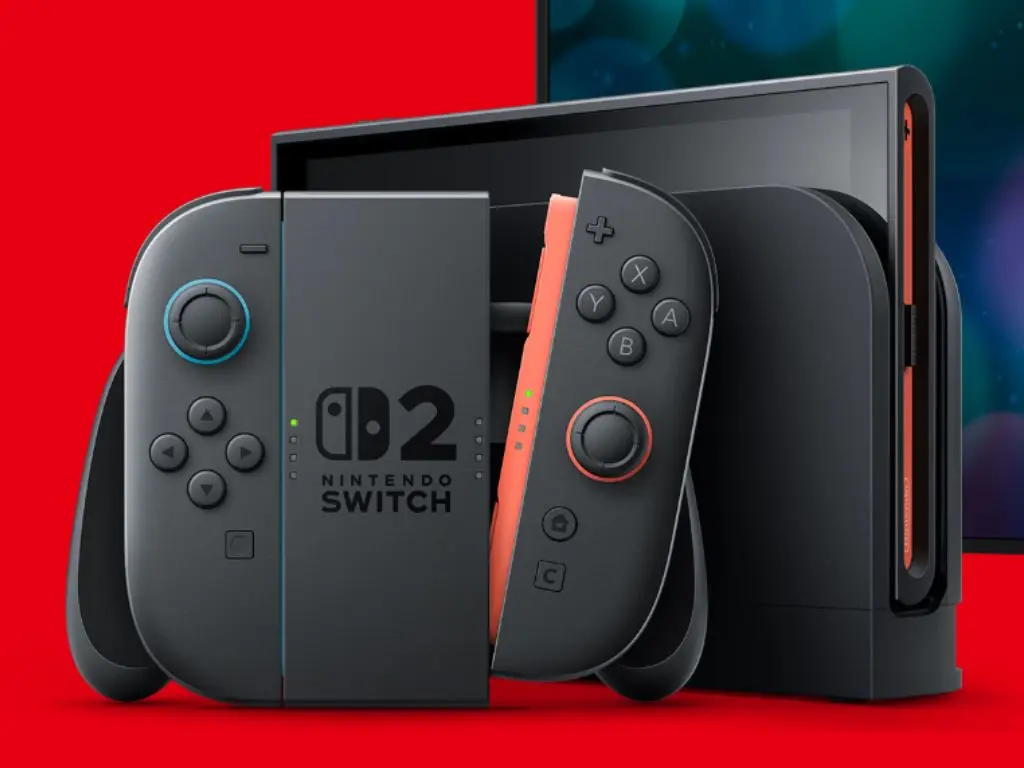
Nintendo is taking aggressive action to protect its supply chain from predatory resellers. By introducing a mandatory playtime requirement for the upcoming Nintendo Switch 2 in Japan, the company aims to ensure that hardware reaches genuine fans rather than those looking to exploit market demand for profit.
- Accounts must record 50 hours of playtime on an original Switch by May 31, 2026.
- Only paid or downloaded titles qualify, excluding demos and free to play software.
- Purchases are restricted to one unit per Nintendo Account.
- Standard edition pricing will reach $499.99 in the United States this September.
Restricting Access to Ensure Supply Stability
The core of this strategy involves verifying user history before allowing a transaction. By requiring a 50 hour threshold, Nintendo effectively filters out automated bot accounts and opportunistic resellers who lack a genuine history with the platform. This policy specifically targets the multi language version of the console, which has historically been the primary focus for international arbitrage due to currency fluctuations.
Nintendo is also actively monitoring order patterns to identify and cancel suspicious transactions. This manual oversight, combined with the new account requirements, creates a significant barrier for those attempting to hoard inventory. While the Japan exclusive version of the device remains exempt from these rules, the move signals a shift in how the company manages distribution for high demand hardware.
Competitive Positioning and Market Impact
This approach highlights a growing trend among hardware manufacturers to prioritize community integrity over raw sales volume. By placing the onus on account history, Nintendo is signaling that its Nintendo Switch 2 ecosystem is reserved for active participants. This contrasts with competitors who often struggle to contain secondary market inflation, leaving consumers to pay exorbitant markups on platforms like eBay or StockX.
The upcoming $50 price increase for the standard edition, which will set the price at $499.99, reflects the rising costs of production and the inclusion of more sophisticated technology. For consumers, the challenge remains balancing the cost of entry with the scarcity created by these anti scalping measures. As the September launch approaches, the effectiveness of this playtime mandate will likely serve as a blueprint for future hardware releases in other regions.
Source: Nintendo | Notebookcheck