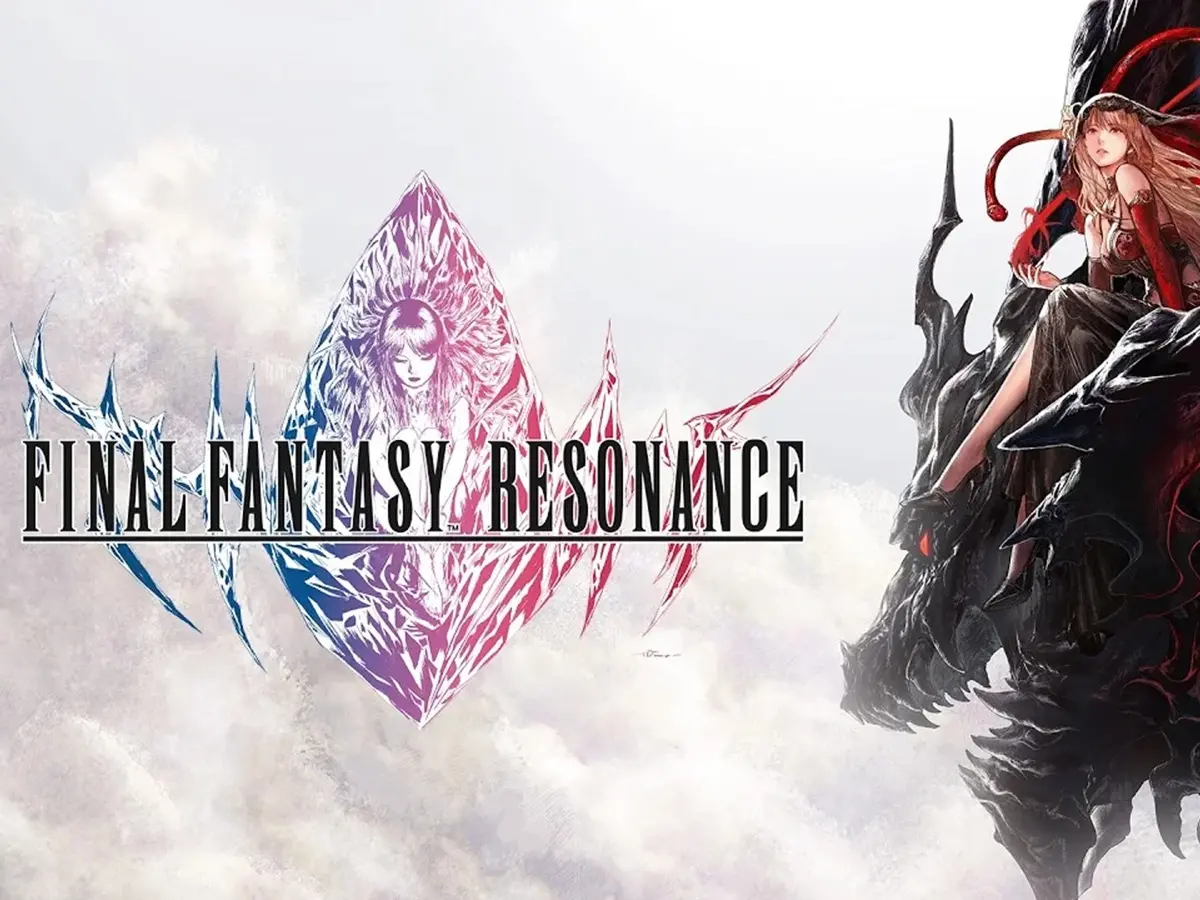
Square Enix’s latest release, Final Fantasy Resonance, marks a bold departure from its mobile origins by shedding the gacha mechanics that have long defined the franchise’s free-to-play model. Announced during Nintendo Direct 2026 and launching globally on October 22, 2026, this multi-platform RPG embraces a fully explorable overworld and a reimagined turn-based combat system that foregrounds tactical depth over randomized character pulls.
- Final Fantasy Resonance eliminates gacha elements in favor of a full-priced, traditional RPG experience.
- The game showcases Team Asano’s acclaimed HD-2D visual style, a first for the franchise.
- Players navigate a 2.5D overworld map, uncovering secrets and engaging in strategic battles with a timeline-based turn system.
- Available at $49.99 on PC, consoles, and Nintendo Switch, with deluxe and collector’s editions offering added value.
From Mobile Gacha to Full-Priced RPG: A Strategic Pivot
Final Fantasy Resonance’s transition from the stamina-limited, gacha-heavy model of Final Fantasy Brave Exvius to a complete, premium RPG signals Square Enix’s recognition of shifting player preferences and market dynamics. By removing free-to-play constraints and randomized character acquisition, the company positions Resonance as a game that respects player investment and skill, rather than luck or microtransaction spend. This move could recalibrate the franchise’s economic model, potentially influencing how big publishers balance monetization with player experience in RPGs.
Exploration and Combat: Deepening Player Engagement
Abandoning menu-based navigation, Resonance invites players to traverse richly designed 2.5D environments, fostering a sense of immersion absent in many mobile adaptations. Combat shifts to a tactical turn-based system centered on exploiting enemy elemental weaknesses and managing a Stagger Meter to unlock powerful Resonance attacks. This design encourages strategic planning over button mashing, reflecting a deliberate effort to appeal to core RPG enthusiasts while retaining accessibility.
The Vision System replaces random character pulls with a skill-tree mechanic featuring phantom echoes of iconic Final Fantasy heroes. This innovation maintains fan service and customization depth without the unpredictability and frustration associated with gacha mechanics.
Platform Reach and Market Implications
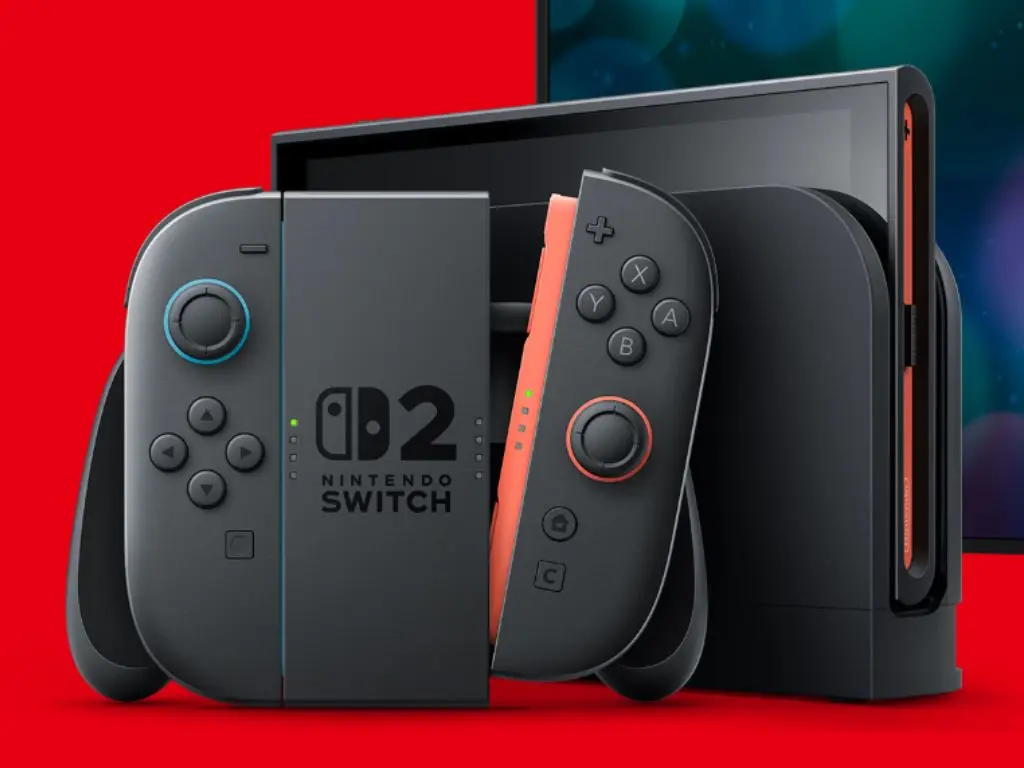
Launching simultaneously on PC (Steam and Microsoft Store), Xbox Series S|X, PlayStation 5, Nintendo Switch, and the forthcoming Switch 2, Resonance defies the mobile-centric origin of its story. The absence of cloud streaming constraints ensures consistent performance and quality across platforms, contrasting with the increasing hardware strain observed in competing mobile titles like Wuthering Waves.
Pricing at $49.99 for the standard edition, with deluxe and collector’s editions priced at $59.99 and $209.99 respectively, Square Enix targets a demographic willing to invest in a premium RPG experience. The collector’s edition, featuring a multi-disc soundtrack, art book, and exclusive trading card, underscores the company’s strategy to monetize beyond the base game without resorting to microtransactions.
Implications for the Industry and Players
This strategic departure from gacha and free-to-play norms has broader ramifications for the RPG genre and the games industry. It challenges the prevailing assumption that mobile-originated titles must adhere to microtransaction-heavy models when transitioning to consoles and PC. Moreover, it raises questions about player agency, data control, and the economic power wielded by platform holders and publishers in shaping game experiences.
For players and creators alike, Final Fantasy Resonance represents a recalibration of value exchange, emphasizing a transparent, skill-based progression system over randomized monetization. As the gaming landscape evolves, this approach could inspire other developers to reconsider the balance between business models and player satisfaction.
Reference: www.notebookcheck.net