

Apple’s latest announcement at WWDC 2026 reveals a comprehensive suite of parental controls designed to give parents unprecedented oversight and authority over their children’s digital interactions. This move dives deep into the ongoing tension between platform power, user autonomy, and the protection of vulnerable populations in a digital-first world.
- Introduction of Child Accounts with granular app, website, and contact restrictions.
- Parents can monitor and limit app usage, entertainment, gaming, and social media time remotely.
- Automatic filtering of messages and FaceTime for inappropriate content protects children from harmful material.
- Developers gain access to new safety APIs to integrate these protections within apps.
Dissecting Apple’s Strategic Business Interests Behind Enhanced Parental Controls

On the surface, Apple’s enhanced parental controls appear as a socially responsible feature aimed at safeguarding children from digital harms. Yet, beneath this lies a strategic business calculus. By embedding robust safety features, Apple reinforces its brand as a privacy-conscious and family-friendly ecosystem, potentially locking in younger users early and securing long-term customer loyalty.
Furthermore, these controls may pre-empt regulatory pressures mounting globally around digital child safety and content moderation. By proactively expanding parental authority and filtering capabilities, Apple positions itself favorably amid tightening regulations, possibly mitigating future compliance costs and legal risks.
Industry Context: Parental Controls as a Battleground for Platform Power
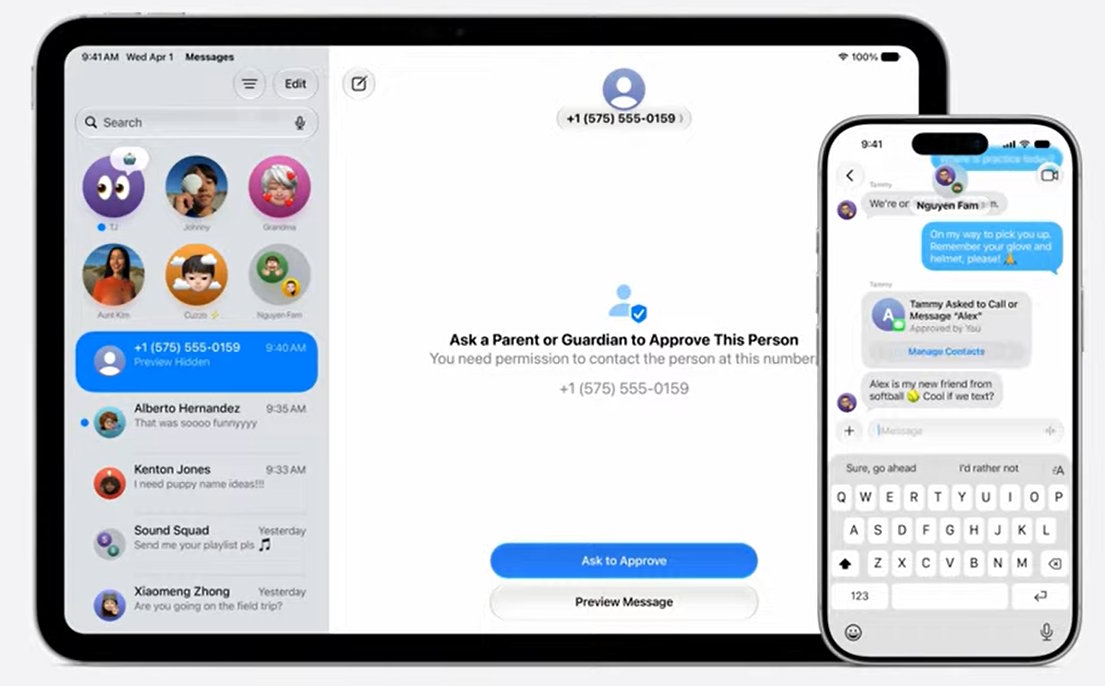
The technology industry grapples with balancing user freedom and safety, especially concerning children’s exposure to content and interactions on platforms. Apple’s approach exemplifies a shift towards centralized control, where the platform dictates what content and interactions are permissible, effectively shaping digital childhood experiences.
While this can reduce exposure to harmful content, it raises questions about data control and surveillance. The ability for parents to remotely monitor app usage and filter communications involves processing sensitive personal data, amplifying concerns about privacy and consent, especially as these controls extend through developer-accessible safety APIs.
Trade-offs and Hidden Consequences of Apple’s Parental Control Expansion
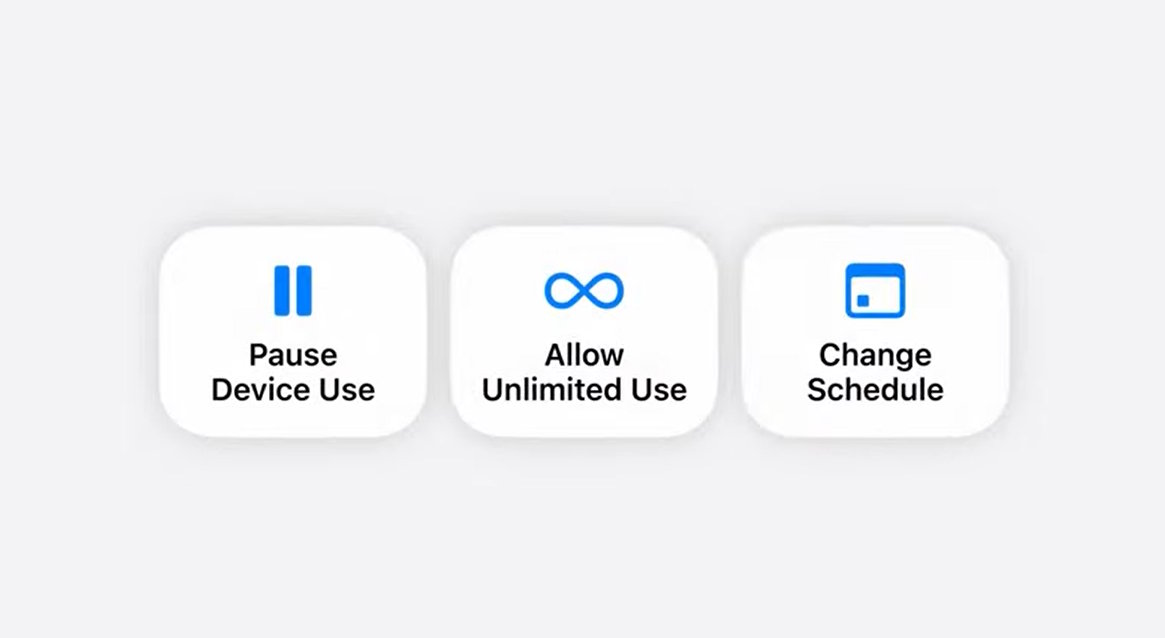
Apple’s new features empower parents but also risk overreach and potential misuse. The whitelisting of apps, websites, and contacts, while protective, may inadvertently limit children’s digital literacy and autonomy, essential skills in an increasingly connected world.
Moreover, the filtering of messages for nudity and gore, though well-intended, may rely on imperfect algorithms that could either over-censor or miss harmful content, leading to false security. The delegation of content moderation to parental discretion also places a heavy burden on families with varying capacities and digital literacy.
Implications for Creators, Startups, and Regulators
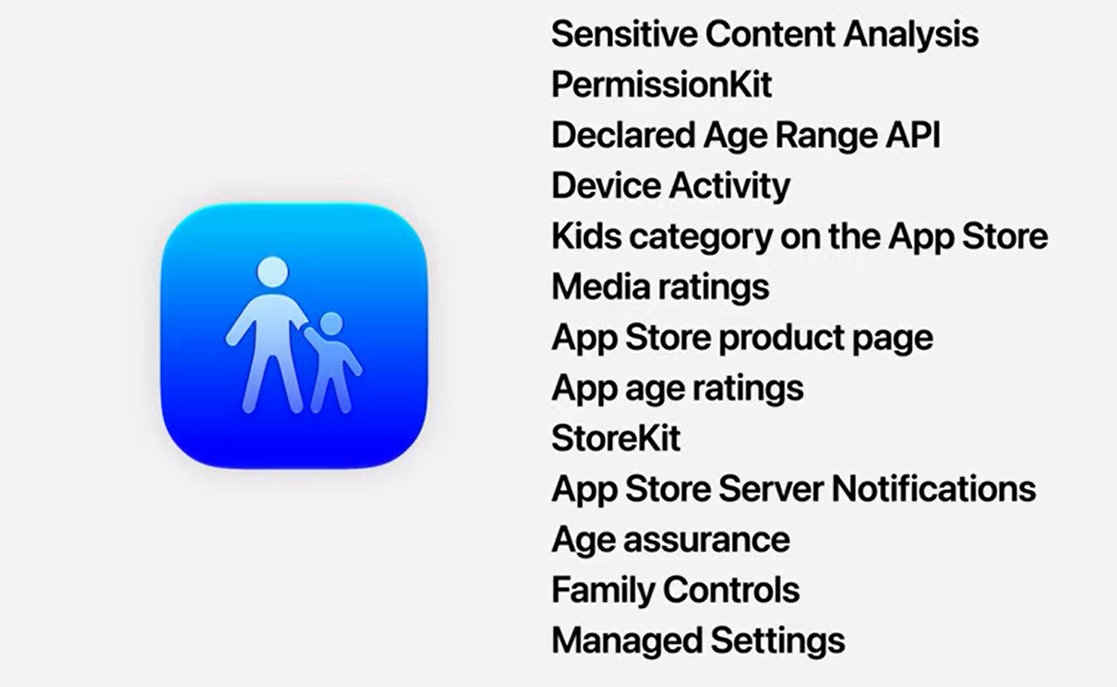
Apple’s introduction of safety APIs invites app developers to integrate these parental controls, potentially reshaping app design and user engagement strategies. Startups offering digital content or social platforms must now navigate Apple’s safety framework to remain accessible to younger demographics, affecting innovation and market competition.
Regulators will scrutinize whether Apple’s centralized control model respects children’s rights and data privacy, balancing safety with freedoms. This development exemplifies the growing role of Big Tech in self-regulating contentious social issues, raising questions about accountability and the role of public policy in digital spaces.
Global Availability and Anticipated Impact
While Apple has announced these parental controls broadly, the rollout’s pace and regional availability remain to be detailed. Given differing global regulatory landscapes around child online safety, adoption may vary, influencing how these controls shape digital childhoods worldwide.
Apple’s initiative signals a critical juncture where platform power intersects with social responsibility, privacy, and regulatory expectations. Observers and stakeholders should watch closely how these controls evolve and their broader consequences on digital rights and platform governance.
Reference: NotebookCheck