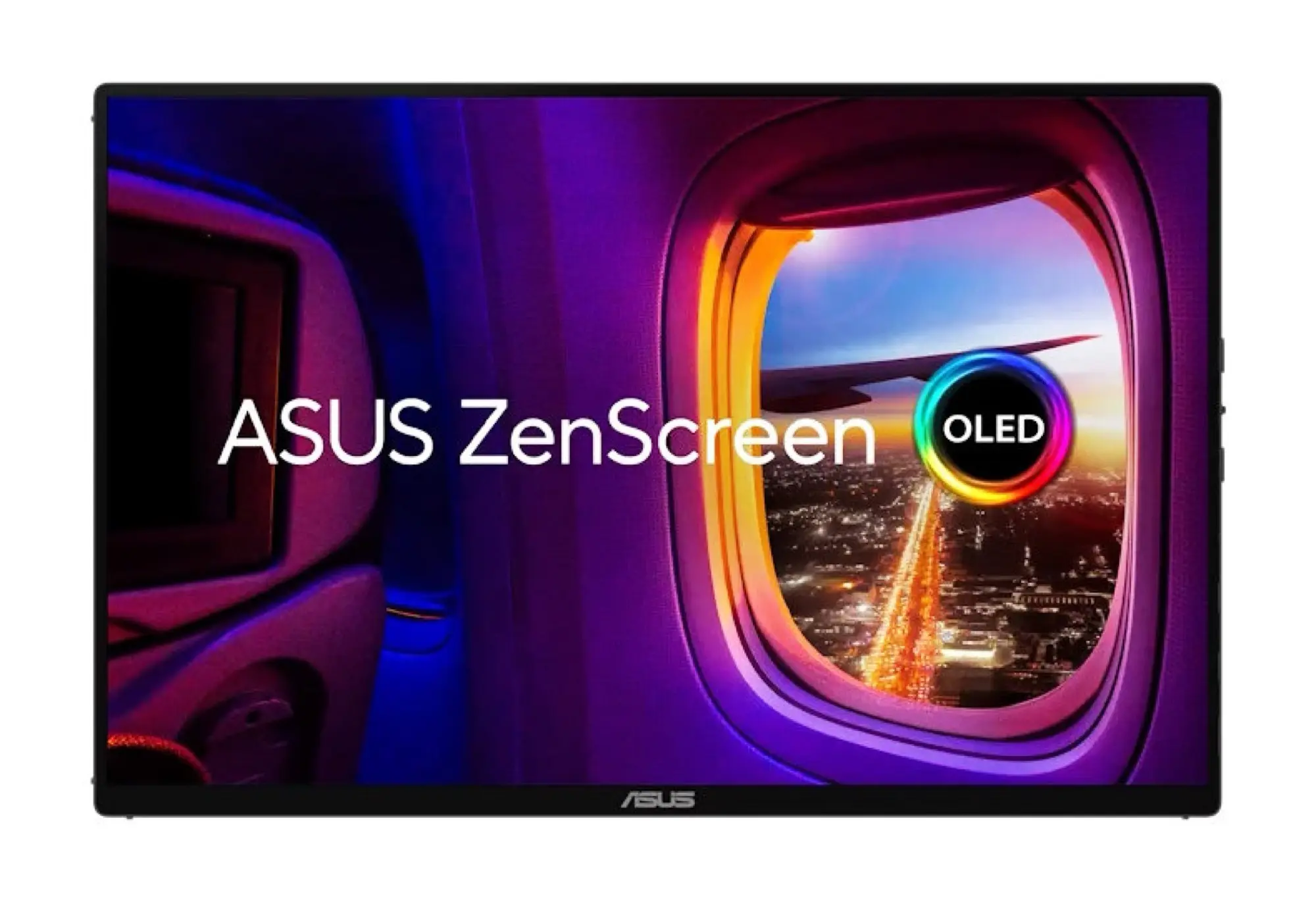
The Asus ZenScreen OLED 14 emerges as one of the most portable mobile monitors on the market, boasting an impressively slim 8 millimeter profile and weighing just under 500 grams. This design prioritizes ease of transport, fitting neatly into laptop bags while offering quick setup thanks to its integrated fold-out stand.
- The 14-inch OLED panel delivers a 16:10 aspect ratio with 1920 by 1200 resolution.
- Supports 90 percent of the DCI-P3 color space, promising vibrant and accurate colors.
- Dual USB-C ports enable simultaneous laptop charging up to 85 watts and video signal input.
- Compatible with Windows and macOS, with brightness adjustments via Asus DisplayWidget Center app.
- Pricing and availability remain unconfirmed, but the larger ZenScreen MQ16FC retails for $279 as a reference point.
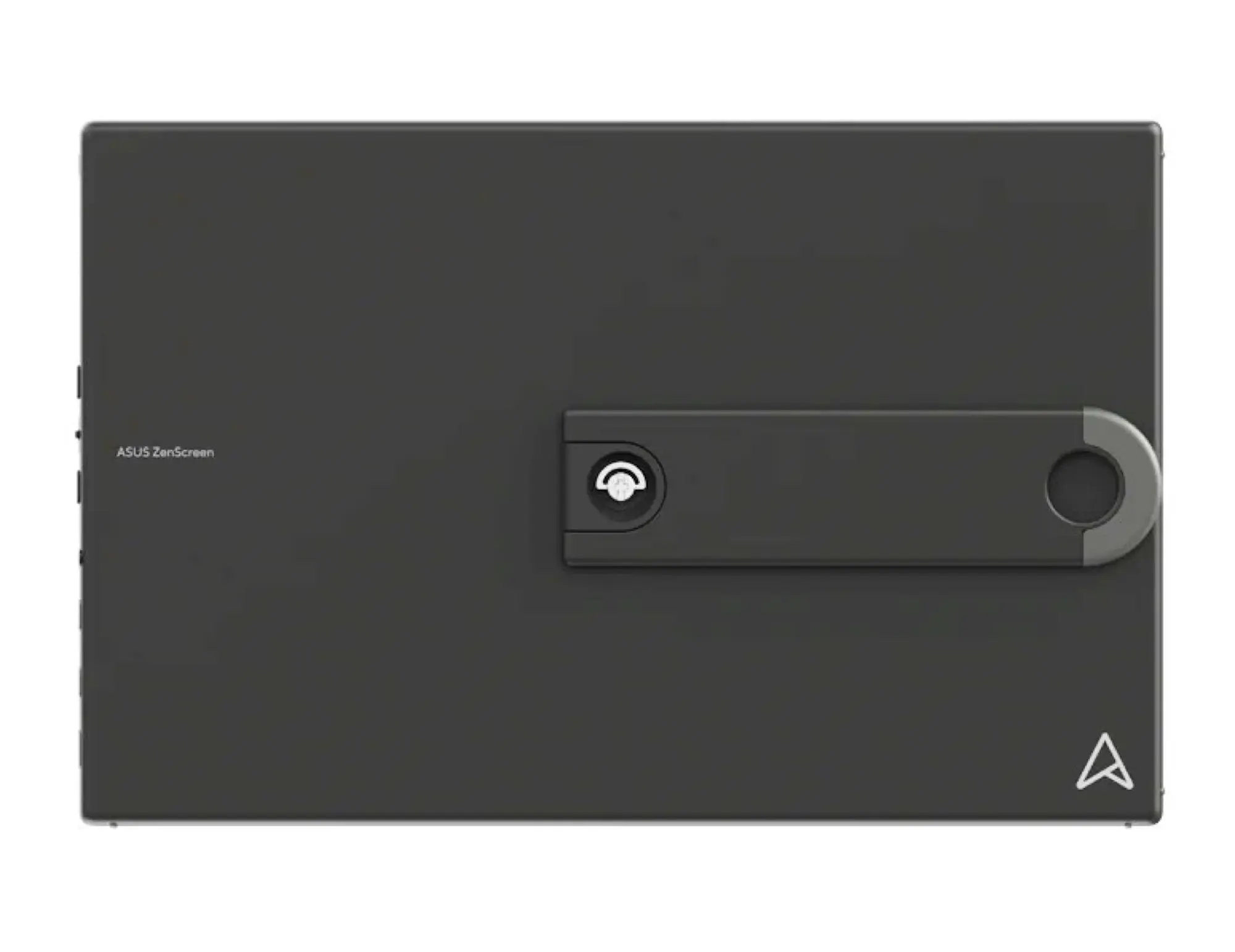
Ultra-portable design meets flexible setup
Asus targets professionals and creatives needing a secondary display that does not sacrifice portability. The ZenScreen OLED 14’s thin body and light weight mean it can accompany laptops without adding bulk. Its integrated kickstand simplifies setup on any flat surface, eliminating the need for additional accessories. This approach balances mobility with usability, a trade-off that often challenges portable monitor designs.
Display quality tailored for creators
The heart of the ZenScreen OLED 14 is its 14-inch OLED panel with a 16:10 aspect ratio. With a resolution of 1920 by 1200 pixels, it provides more vertical screen space than traditional 16:9 displays, beneficial for document editing and creative work. The panel covers 90 percent of the DCI-P3 color gamut, a key metric for professionals requiring color accuracy. True OLED characteristics promise perfect blacks and fast response times, although Asus has not disclosed specifics on brightness levels or refresh rates. This omission suggests potential compromises in peak brightness and frame rate, likely to preserve power efficiency on a mobile display.
Connectivity and power management
The monitor’s two USB-C ports offer flexible connectivity. Users can connect a power supply to one port, allowing the second to charge a laptop at up to 85 watts while simultaneously transmitting video. Alternatively, the monitor can draw power from a connected laptop, though it lacks an internal battery for standalone use. Compatibility with both Windows and macOS broadens its appeal across platforms. Brightness and other display settings are managed through Asus’s DisplayWidget Center app, streamlining user control.
Pricing and market positioning
Asus has not announced pricing or availability for the ZenScreen OLED 14 (model MQ14FCKV). For context, the larger ZenScreen MQ16FC model is available for approximately $279 on Amazon. This places the new model in a competitive range for mobile OLED monitors, although final pricing will influence its accessibility. The lack of an integrated battery and potential display compromises may factor into market reception, especially among users weighing portability against performance.
The Asus ZenScreen OLED 14 presents an intriguing option for users prioritizing portability and color fidelity in a mobile monitor. Its design and features reflect a careful balancing act between convenience and technical capabilities, with implications for professionals navigating trade-offs in their mobile workflows.
Via: Notebookcheck