Running heavy AI models on a laptop often means juggling limited memory and slow processing, which can turn creative work into a waiting game. Asus is stepping up to this challenge with the new ProArt P16 and ProArt P14 laptops, among the first Windows machines powered by Nvidia’s RTX Spark superchip. These machines aim to handle demanding AI tasks locally, offering a glimpse at what future creative workflows might look like.
- Asus introduces ProArt P16 and P14 with Nvidia RTX Spark superchip for powerful AI processing.
- The RTX Spark chip combines a 20-core Nvidia Grace CPU and Blackwell-architecture RTX GPU with up to 128GB unified memory.
- Designed to run large AI models locally, supporting 120-billion-parameter LLMs and 1 million token context windows.
- Features refined chassis, high-brightness OLED displays, and enhanced creative software support.
breaking bottlenecks with nvidia rtx spark
The main hurdle for running large AI models on local machines has been memory and compute limitations. Nvidia’s RTX Spark superchip is designed to overcome this by merging a powerful 20-core Grace CPU with a Blackwell-architecture RTX GPU that includes 6,144 CUDA cores and FP4 Tensor Cores. These components communicate via Nvidia’s NVLink-C2C interconnect, enabling a massive unified memory pool of up to 128GB.
This unified memory approach is significant because it allows the GPU and CPU to share a large memory space, improving efficiency for AI workloads. For creative professionals, this means the laptops can handle tasks like 12K video editing, rendering massive 90GB 3D scenes, and generating 4K AI videos directly on the device without offloading to the cloud.
hardware and design crafted for creators
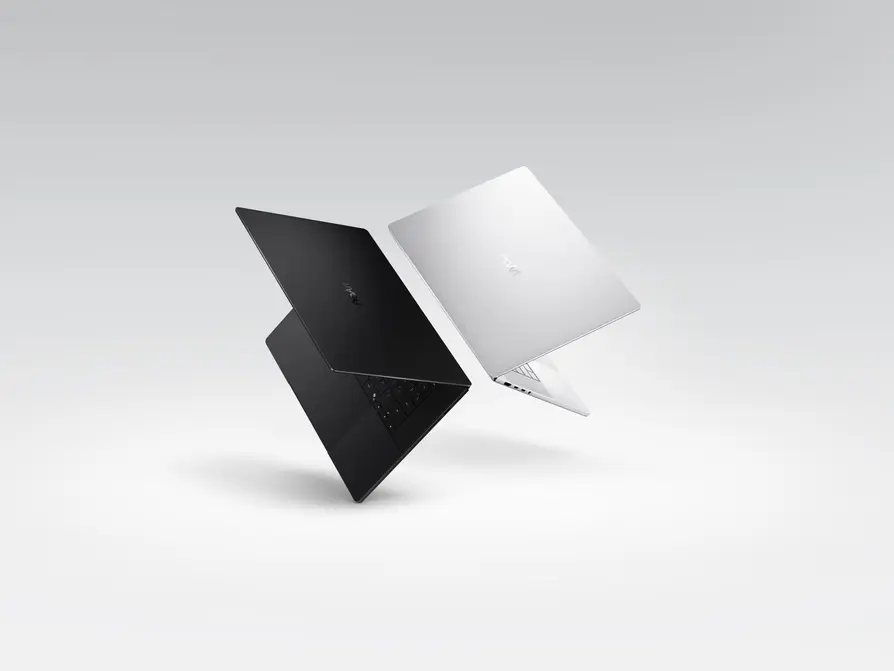
Asus has refined the ProArt lineup with portability and premium build quality in mind. The 16-inch ProArt P16 is 13 percent thinner and 16 percent lighter than its predecessor, while the 14-inch ProArt P14 offers a more compact option. Both models feature CNC-milled chassis available in black or a new Neo White finish.
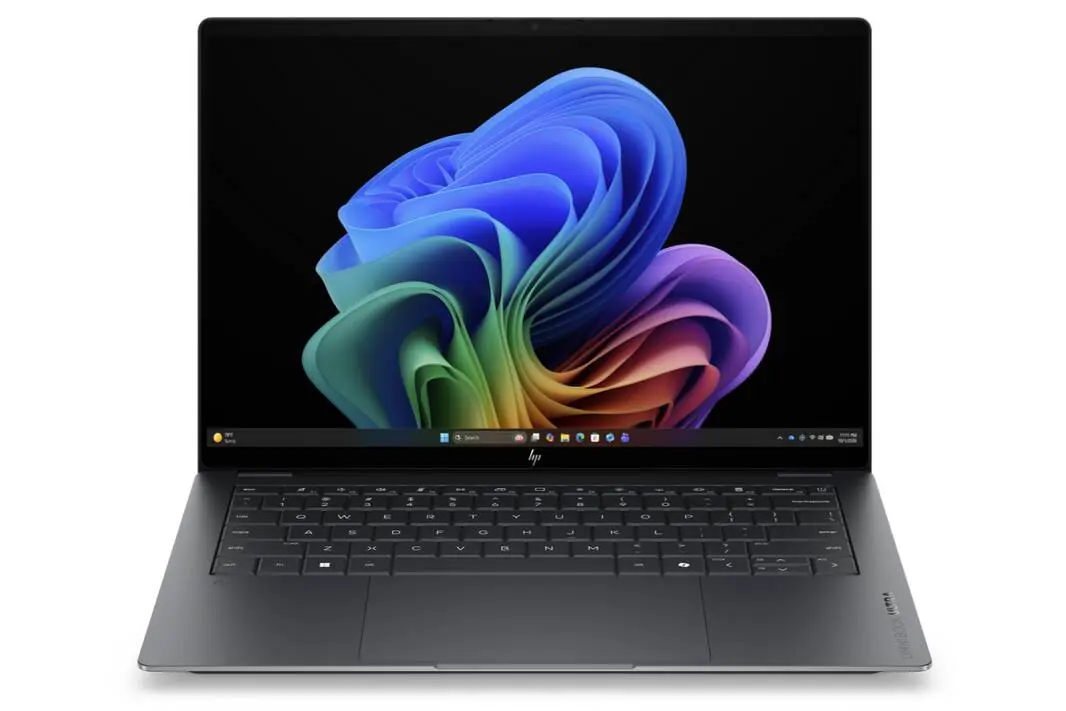
Display quality is a highlight, with Asus’ Lumina Pro OLED panels offering anti-reflective coatings and peak brightness up to 1,600 nits. The P16 sports a 4K panel with a 120Hz variable refresh rate and Nvidia G-Sync support, ideal for smooth visuals and color-critical work. The P14 uses a 3K display that balances resolution and portability.
Additional thoughtful touches include haptic trackpads for tactile feedback and a maxed-out 99.9 Wh battery capacity, aiming to keep creators productive on the go.
software synergy and performance gains
Software developers are already adapting to the RTX Spark architecture. Adobe, for example, is reportedly rebuilding Photoshop and Premiere Pro from the ground up to leverage this hardware. Asus claims this will double performance for AI and graphics tasks, implying more responsive editing and faster rendering workflows.
This collaboration between hardware and software underlines the practical benefits for users, moving beyond gimmicks to real productivity improvements.
pricing and availability outlook
Asus has not yet announced pricing for the ProArt P16 and P14. Given the cutting-edge RTX Spark chip and up to 128GB unified memory, these laptops are expected to be positioned at the premium end of the market. They are slated to arrive this fall, offering a new option for creatives who need powerful AI capabilities on Windows.
Meanwhile, Asus also introduced a 24.5-inch esports monitor featuring a 540Hz Tandem OLED panel and a 0.02 millisecond response time, highlighting the brand’s commitment to high-performance displays.
For those curious about how AI hardware is evolving for everyday creators, the Asus ProArt lineup with Nvidia RTX Spark is a development worth watching closely.
Via: Gizmochina