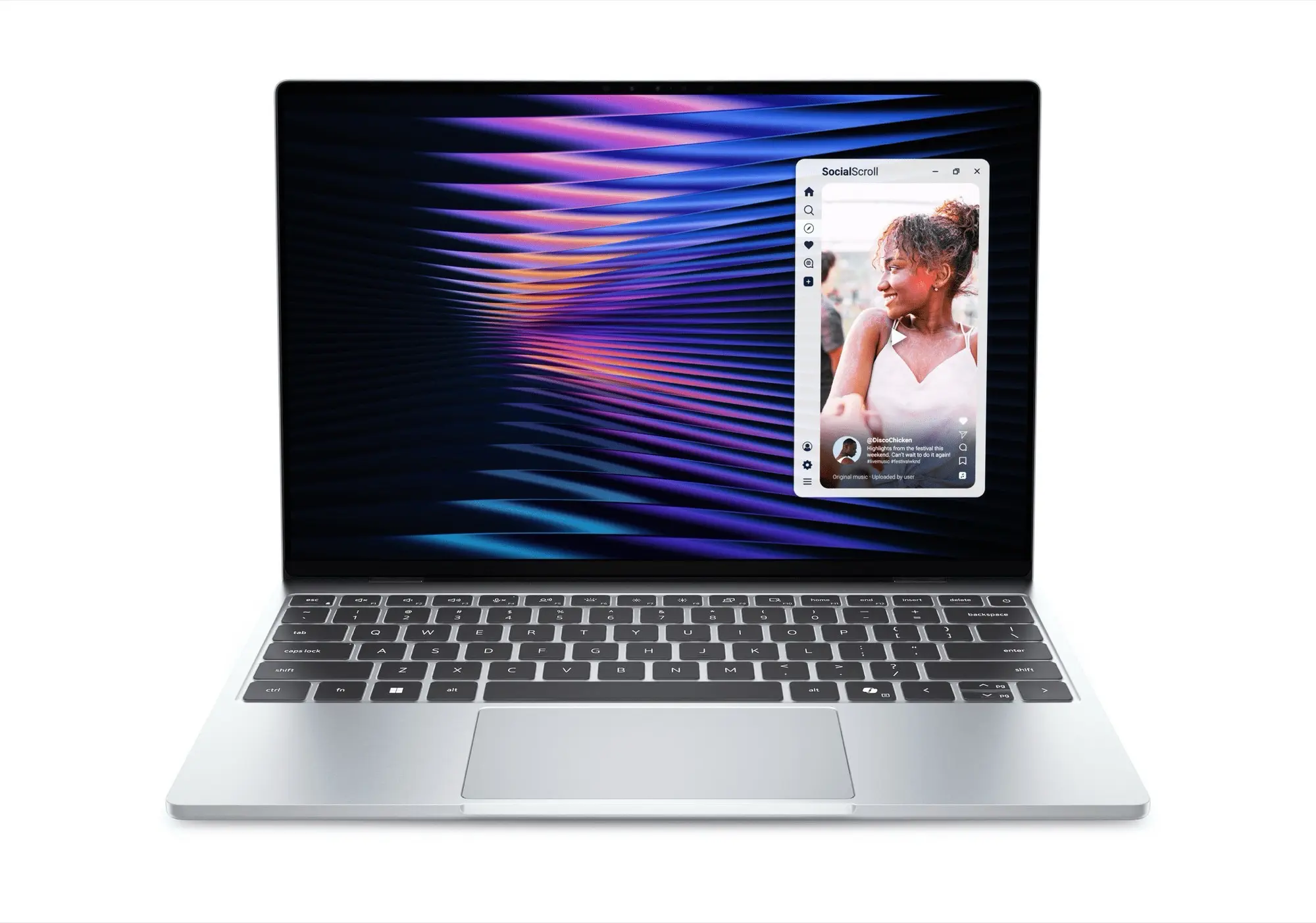
As artificial intelligence giants secure the majority of the world’s DRAM capacity, consumers face rising prices and limited availability for memory in PCs, laptops, and gaming devices. This shortage has already led manufacturers to reduce the amount of RAM in new models, with the Dell XPS 13 now commonly shipping with 8 GB RAM and Acer hinting at laptops equipped with just 4 GB.
- Intel addresses the DRAM crisis by supporting older RAM standards like DDR4 alongside DDR5.
- Lower-end Wildcat Lake processors often come with 8 GB RAM in single-channel setups to reduce costs.
- DDR4 memory kits currently cost around $199 for 2 x 16 GB, while DDR5 kits reach $449.
- Intel collaborates with RAM suppliers from China and Indonesia to diversify and validate cheaper memory options.
Intel leans on older RAM standards to ease price pressures
Intel is tackling the ongoing DRAM shortage by continuing to support processors compatible with older memory technologies. Their Raptor Lake processors, which cover mid to higher price segments, still support DDR4 RAM alongside DDR5. This strategy allows manufacturers and consumers to leverage the relatively cheaper DDR4 memory, somewhat mitigating the steep price hikes seen with newer DDR5 modules.
In the lower-end segment, Intel’s Wildcat Lake processors are frequently paired with 8 GB of RAM in a single-channel configuration, a compromise that reduces memory costs while maintaining usability. This trend reflects a market shift where hardware makers prioritize affordability amid constrained DRAM supplies.
Memory pricing highlights the cost gap between DDR4 and DDR5
Current market pricing underscores the economic trade-offs Intel and device makers face. A kit of 2 x 16 GB DDR4 RAM sticks is priced at about $199, whereas a comparable DDR5 kit costs roughly $449. This significant difference incentivizes continued support for DDR4, especially in price-sensitive segments.
Intel acknowledges that while these measures can help moderate price increases, the DRAM shortage is expected to persist until at least 2028. Consequently, further price pressures are likely unavoidable unless supply conditions improve substantially.
Expanding supply partnerships to widen memory options
Beyond processor compatibility, Intel is actively collaborating with an increasing number of RAM suppliers, including those based in China and Indonesia. By validating a broader array of memory products, Intel aims to offer customers a wider selection of potentially more affordable memory modules. This strategy could soften the impact of the DRAM crisis by introducing more competition and supply diversity in the market.
While these efforts reflect a pragmatic approach to a complex supply challenge, they also highlight the underlying tension between technological advancement and supply chain realities. Consumers and manufacturers alike face trade-offs between performance, cost, and availability as the industry navigates this prolonged DRAM shortage.
Via: Notebookcheck