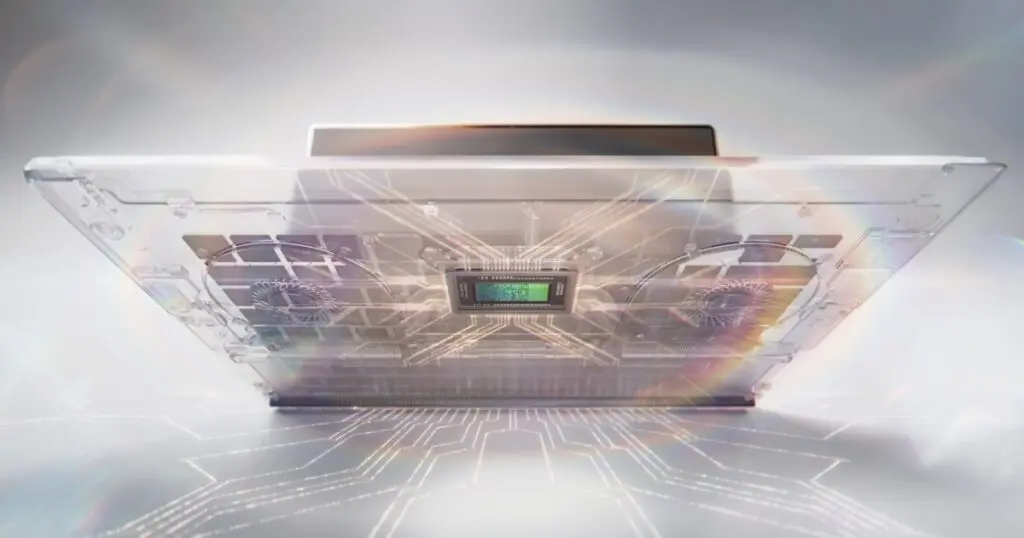
Imagine a laptop that combines the efficiency of smartphone chips with the power of high-end PC graphics. Nvidia’s new RTX Spark platform promises exactly that by marrying an Arm-based CPU, a cutting-edge GPU, and a massive shared memory pool into one sleek package. This could redefine what we expect from Windows laptops and compact desktops in 2026.
- RTX Spark features a 20-core Arm CPU co-developed with MediaTek, blending ten high-performance and ten efficiency cores.
- The Blackwell GPU packs 6,144 CUDA cores and fifth-generation Tensor Cores, delivering up to 1 PFLOP of AI performance.
- Up to 128GB of unified LPDDR5X memory is shared across CPU and GPU, enhancing AI and graphics tasks.
- Supported by Nvidia’s mature software stack including CUDA, DLSS, and ray tracing, promising strong compatibility.
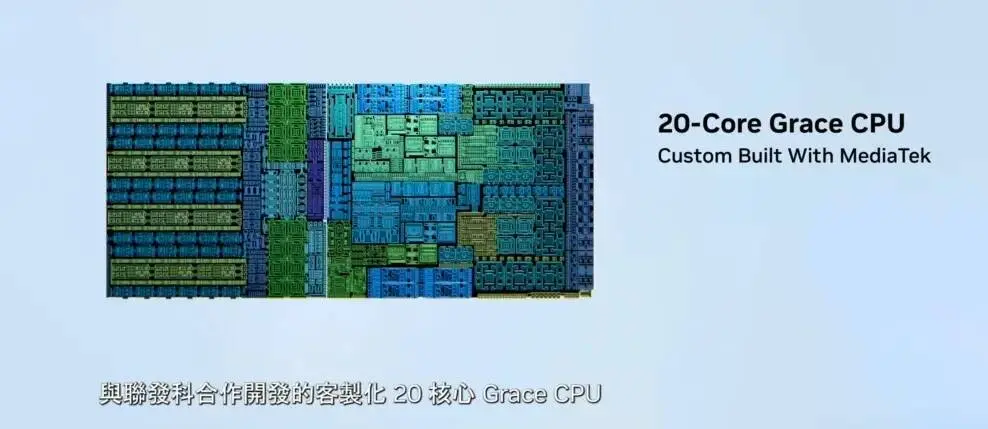
Arm CPU design inspired by smartphones scaled for PCs
The heart of RTX Spark is a 20-core Arm CPU designed with MediaTek. It pairs ten Cortex-X925 performance cores with ten Cortex-A725 efficiency cores, a setup familiar from flagship smartphones. Nvidia adapts this to a PC context, aiming to balance power and battery life for on-the-go users. This approach could bring smartphone-level efficiency to Windows machines without compromising performance.
Blackwell GPU offers impressive AI and graphics capabilities
On the graphics side, RTX Spark integrates a Blackwell GPU with 6,144 CUDA cores and fifth-generation Tensor Cores. Nvidia claims it can deliver up to 1 PFLOP of AI compute, a milestone that used to be unimaginable in thin and light laptops. This power could benefit creative professionals, AI researchers, and gamers seeking high-end visuals and AI acceleration on portable devices.
Unified memory architecture enhances performance and efficiency
One of the standout features is the up to 128GB of unified LPDDR5X memory shared between CPU and GPU. Unlike traditional PCs that separate system and graphics memory, this design could speed up data exchange and reduce bottlenecks, especially for AI workloads that rely on large datasets. This unified memory pool is a fresh take inspired by mobile hardware but scaled for desktop-class performance.
Software ecosystem and real-world expectations
Nvidia leverages its mature software ecosystem including CUDA, TensorRT, DLSS, Reflex, and ray tracing technologies to ensure strong application support. This addresses a common hurdle for Windows-on-Arm platforms: software compatibility. While Nvidia demonstrated AI-focused applications, practical concerns like battery life and gaming performance remain to be independently verified. The company says RTX Spark devices can be as thin as 14 millimeters while delivering powerful graphics, potentially appealing to users wanting portability without sacrificing capability.
Coming soon from major PC makers
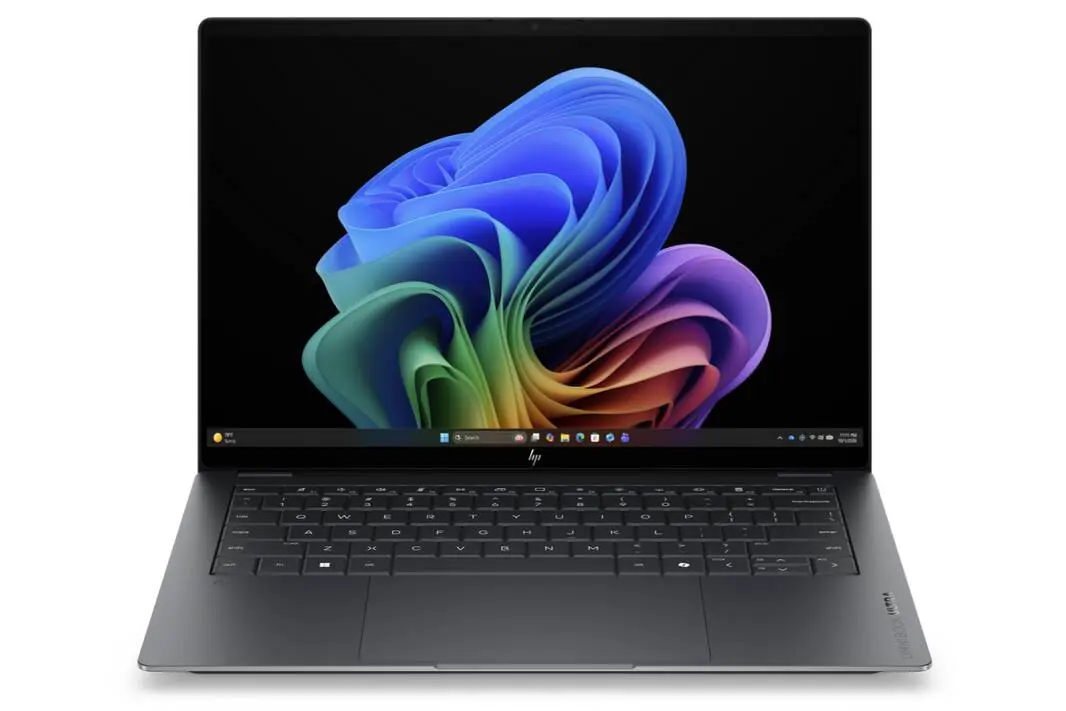
Expect to see RTX Spark laptops and compact desktops from ASUS, Dell, HP, Lenovo, MSI, and Microsoft’s Surface division later this year. Pricing and exact battery life details are still under wraps, making it too early to judge value for money. However, Nvidia’s move signals a shift from being just a GPU supplier to offering complete PC platforms that integrate CPU, GPU, and memory for optimized performance.
For users curious about AI acceleration, gaming, or productivity on Windows laptops, RTX Spark could offer a compelling new option that blends mobile efficiency with desktop power. We’ll have to wait for hands-on reviews to see if it lives up to the promise, but it certainly changes the conversation about Arm PCs in 2026.
Via: Gizmochina