Handheld gaming devices often struggle to balance power and efficiency, leaving gamers wondering if the latest chips can truly deliver meaningful performance improvements. Intel’s upcoming Arc G3 and Arc G3 Extreme chips, based on the Panther Lake architecture, promise to push handheld gaming forward, but the bigger question is whether they can realistically dethrone AMD’s established Ryzen Z2 Extreme in this space.
- Intel Arc G3 and G3 Extreme launch expected May 28, ahead of Computex 2026
- Both chips feature a 14-core CPU with minor clock speed differences
- Arc G3 Extreme uses a 12-core B390 GPU versus 10-core B370 on Arc G3
- MSI and Acer planning handheld consoles powered by these chips
The 14-Core Design Balances Power and Performance
The Arc G3 and Arc G3 Extreme both integrate a 14-core CPU combining performance, efficiency, and low-power cores. The Extreme variant edges out with a slightly higher boost clock (4.7 GHz vs 4.6 GHz) and a beefier 12-core GPU, compared to 10 cores on the regular G3. While these differences look small on paper, they could translate into smoother frame rates and better multitasking in handheld consoles.
Early Benchmarks Suggest Intel Could Challenge AMD
Simulated testing indicates the Arc G3 Extreme outperforms AMD’s Ryzen Z2 Extreme, which has been a popular choice for portable gaming. Intel’s Panther Lake architecture is known for good power efficiency, a crucial factor in handheld devices where battery life and heat are limiting factors. This efficiency might give Intel an edge in sustained performance during longer gaming sessions.
Availability Hinges on Partner Support
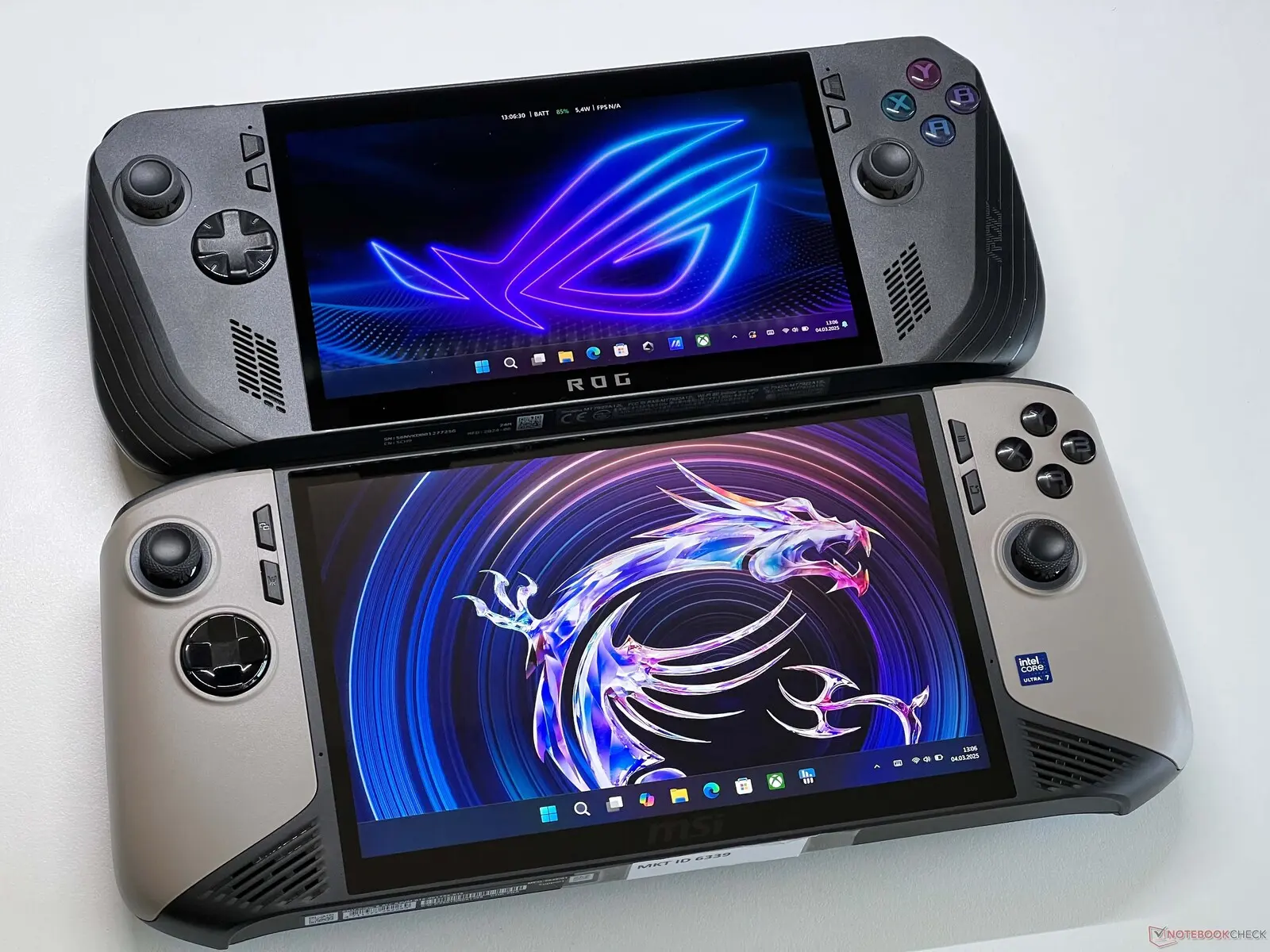
MSI is expected to debut an 8-inch handheld console powered by these chips, likely a new iteration of their Claw series. Acer is also reportedly working on the Predator Atlas 8 handheld. However, Intel’s past announcements saw products like Nitro Blaze fail to launch, so availability and timely market entry remain uncertain. Pricing details have yet to be confirmed, but these devices will likely target the premium handheld segment.
The Trade-Off Is Real-World Validation and Battery Life
The trade-off is capacity and endurance. Higher performance chips typically demand more power, which can reduce battery life in compact handheld devices. Gamers who prioritize longer unplugged playtime might find this challenging, depending on how well device manufacturers optimize power consumption around these chips.
Consider Intel’s Arc G3 series if you want to explore a potentially more powerful alternative to AMD in handheld gaming, especially if MSI or Acer’s devices reach your market. Skip it if battery endurance or price sensitivity are your top concerns, at least until more detailed real-world reviews and pricing emerge. Availability may vary by region, so keep an eye on official announcements after the May 28 unveiling.
(Via)