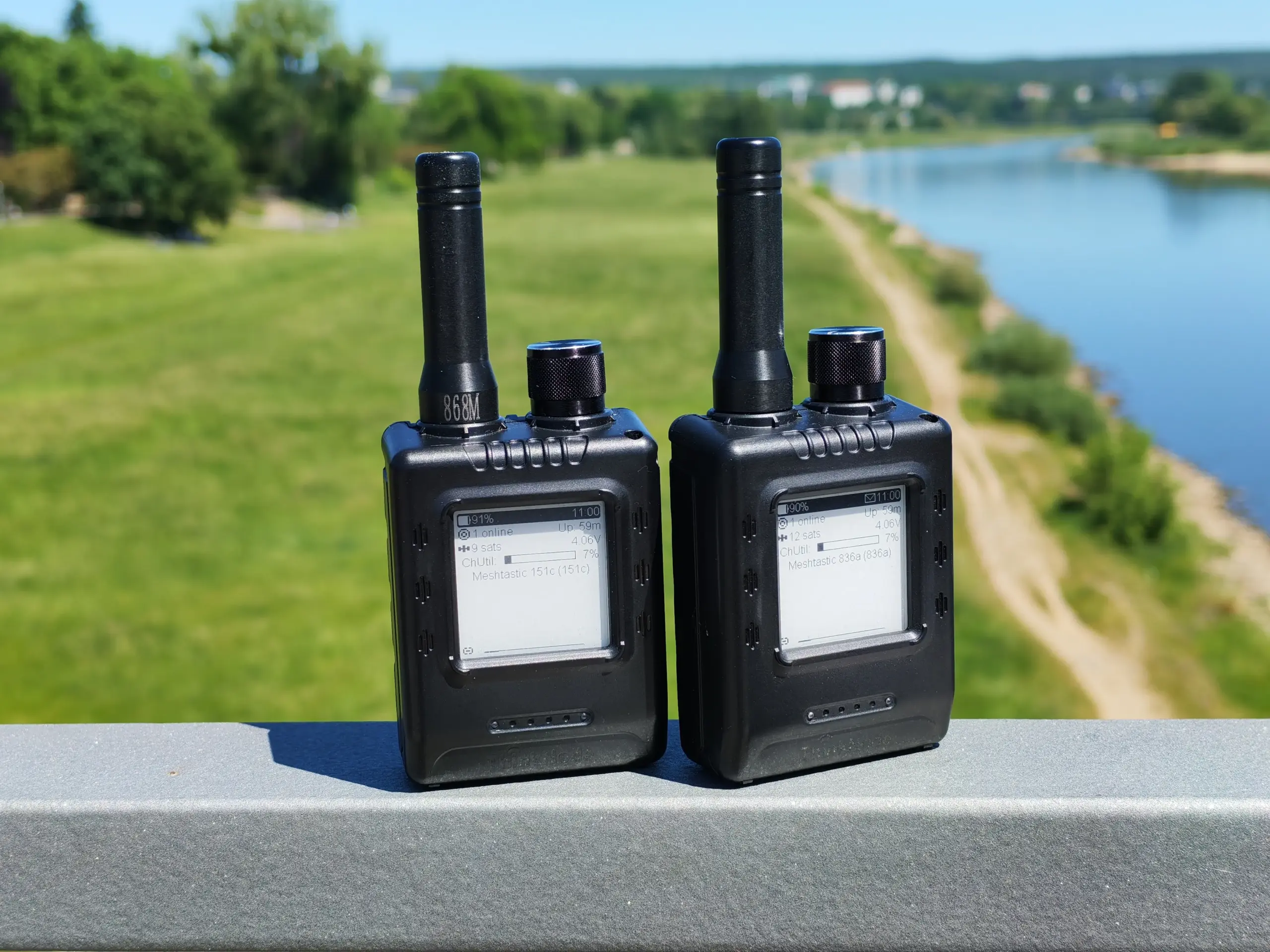
Staying connected in remote areas or during emergencies often means losing access to traditional cellular networks. Meshtastic offers a solution by using LoRa mesh networking, which enables communication without relying on mobile carrier coverage or fees. This approach is particularly useful for hikers, outdoor workers, or anyone needing basic communication where cell towers don’t reach.
- Meshtastic devices create a mesh network to extend message range
- They transmit text messages and GPS location data, not large files
- ThinkNode M1 is a popular device featuring an e-ink display and Bluetooth
- Real-world range is limited without multiple devices or repeaters
How Meshtastic Uses LoRa to Bypass Cellular Limits
Meshtastic runs on LoRa technology, designed not for speed but for energy-efficient, long-range communication with low data rates. Unlike WiFi or cellular, LoRa handles small packets of information like text messages or location coordinates. Devices form a mesh network, relaying messages through multiple nodes, which effectively increases communication range beyond a single device’s direct reach.
This makes Meshtastic suitable for outdoor environments or areas with unreliable infrastructure. For example, hikers can stay in touch or share their location without cellular service. The system also has potential in industrial sites or regions where network access is restricted.
ThinkNode M1: A Practical Meshtastic Device
The ThinkNode M1 is one of the better-known Meshtastic-compatible devices. It features an e-ink display that remains readable even in bright sunlight, although the screen refresh can sometimes cause overlapping images due to e-ink technology limitations. Control is managed through a rotary dial and two buttons, which may require some acclimation.
The M1 includes a GNSS module for location tracking and can connect to smartphones via Bluetooth, allowing users to send messages through the Meshtastic app. This setup turns the device into a portable LoRa modem, bridging the gap between the mesh network and common smartphone interfaces.
Range and Practical Considerations
While LoRa’s range can be impressive in ideal conditions, practical tests with the ThinkNode M1 show more modest results. Near open water, the device achieved about 1,600 feet of range without line of sight, and in urban environments, only a few hundred yards. To cover longer distances, multiple devices or dedicated repeaters must be deployed to relay messages.
The trade-off is capacity. The system handles small data payloads efficiently but isn’t suitable for sending images or large files. Users should consider this if they need richer media communication.
Considerations for Buyers
Meshtastic devices like the ThinkNode M1 offer a practical way to communicate off-grid, especially for text and location sharing. They are most valuable when used in groups or networks, rather than standalone pairs. Pricing is generally affordable, with many devices available online, but availability may vary by region.
Consider it if you need basic, battery-efficient communication in remote areas or want to create your own mesh network without cellular dependency. Skip it if you require high data throughput or multimedia messaging.
(Via)