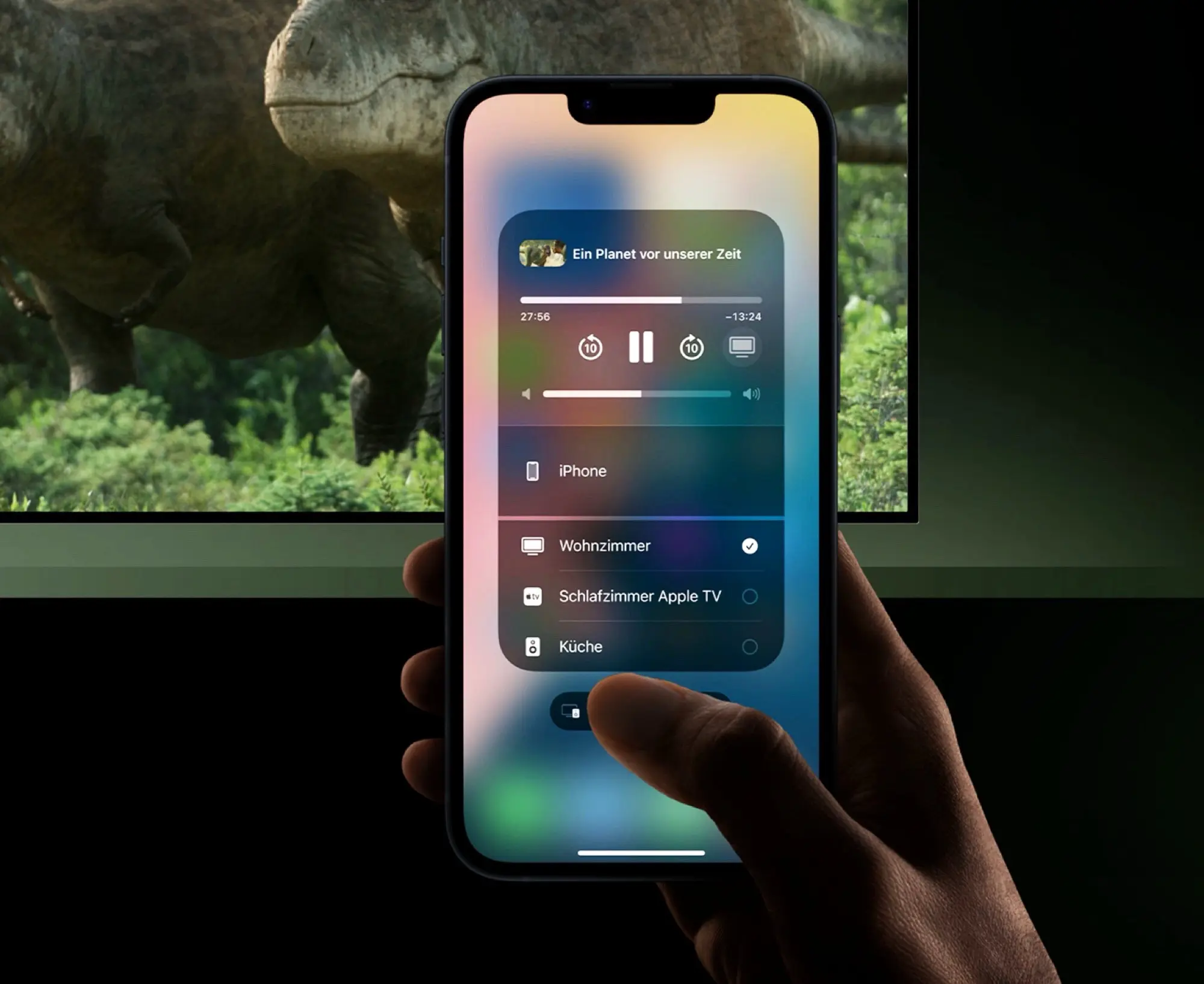
Apple’s AirPlay has long been the go-to streaming technology for iPhone users wanting to share music, photos, or videos wirelessly. However, this convenience has come with a catch: AirPlay only works seamlessly within Apple’s ecosystem, limiting interoperability with other devices. That’s about to change for iPhone users in Europe.
With the upcoming iOS 27 update, expected in September, Apple will allow third-party streaming services to compete with AirPlay on a system-wide level. This means users can select alternatives like Google Cast as the default option for streaming, not just within individual apps but across the entire device. The move stems from recent European Union regulations aimed at encouraging more openness and choice on digital platforms.
- System-wide support for AirPlay alternatives like Google Cast
- Users can set default streaming providers in iOS settings
- Improved compatibility with non-Apple devices for media sharing
- Feature limited to iPhones used within the European Union
Opening Up Streaming Choices Beyond AirPlay
Currently, AirPlay alternatives are typically confined to standalone apps, meaning both the sender and receiver need the same app active. By enabling system-wide options, iOS 27 removes this friction, allowing seamless streaming to a broader range of devices, including smart TVs and speakers that don’t support AirPlay. This can make sharing content from an iPhone easier and more flexible, especially in mixed-device households or offices.
EU Regulations Driving the Shift
This change is largely motivated by the European Union’s push for fair competition and interoperability. Apple’s recent hardware and software adjustments for the EU market include USB-C charging ports and support for third-party app stores. Allowing multiple streaming standards fits this pattern, giving users more freedom to choose services that best fit their needs.
The Bigger Question: Will This Spread Beyond Europe?
While this expanded streaming choice will initially be exclusive to iPhones used in the EU, it sets an important precedent. If Apple embraces an open standard that works across iOS, Android, Windows, macOS, and Linux, it could reduce the fragmentation that currently complicates wireless media sharing. However, Apple’s global rollout remains uncertain, so users outside Europe may still face AirPlay’s limitations for now.
The trade-off is control. Opening the system to third-party streaming may introduce variability in user experience and security compared to AirPlay’s tightly integrated approach. Buyers should consider whether broader compatibility or a more polished, Apple-exclusive environment better suits their daily use.
Consider iOS 27 if you often stream to non-Apple devices and want more flexibility without juggling multiple apps. Skip it if you prefer the seamlessness of AirPlay within a fully Apple-centric setup. Prices and availability may vary by region, and this feature is currently tied to regulatory requirements in Europe.
(Via)