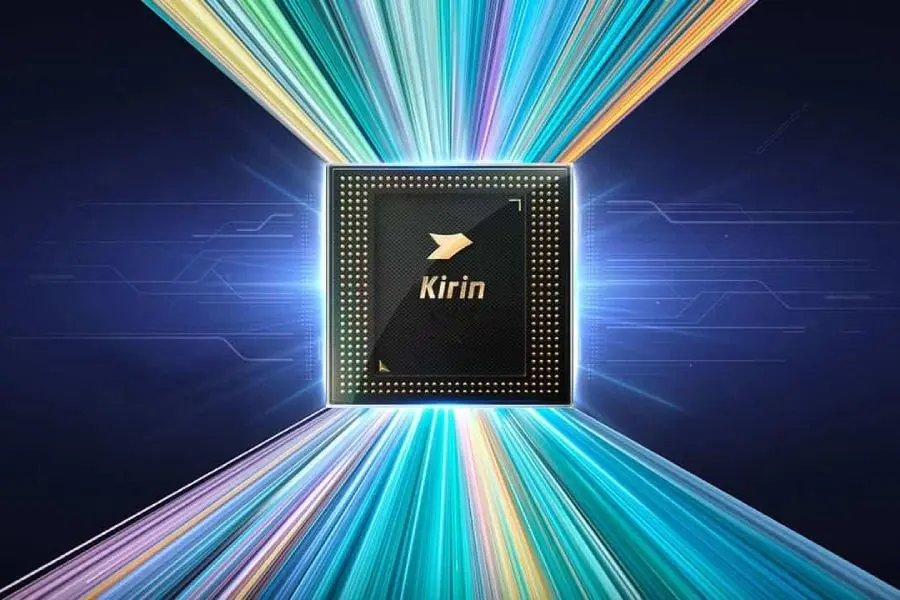
Huawei’s Kirin 2026 chip claims to shake up mobile processor progress with a 53.5% jump in transistor density and a 12.7% clock speed boost. This matters because traditional transistor scaling has stalled, and Huawei wants to sidestep that with a new approach.
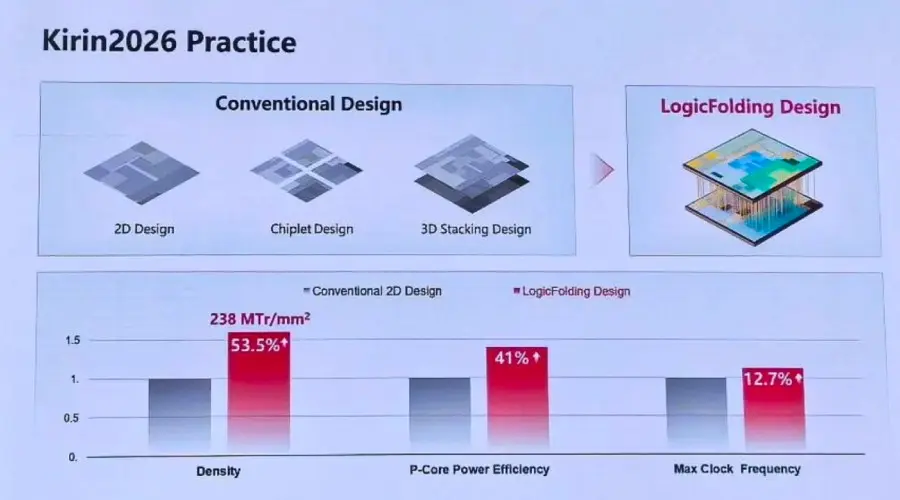
- 53.5% increase in transistor density to 238MTR/mm²
- High-performance core efficiency up 41%
- Peak clock speed hits approximately 3.1GHz, a 12.7% rise
- Utilizes “logic folding” and “free logic design” under Tau Law strategy
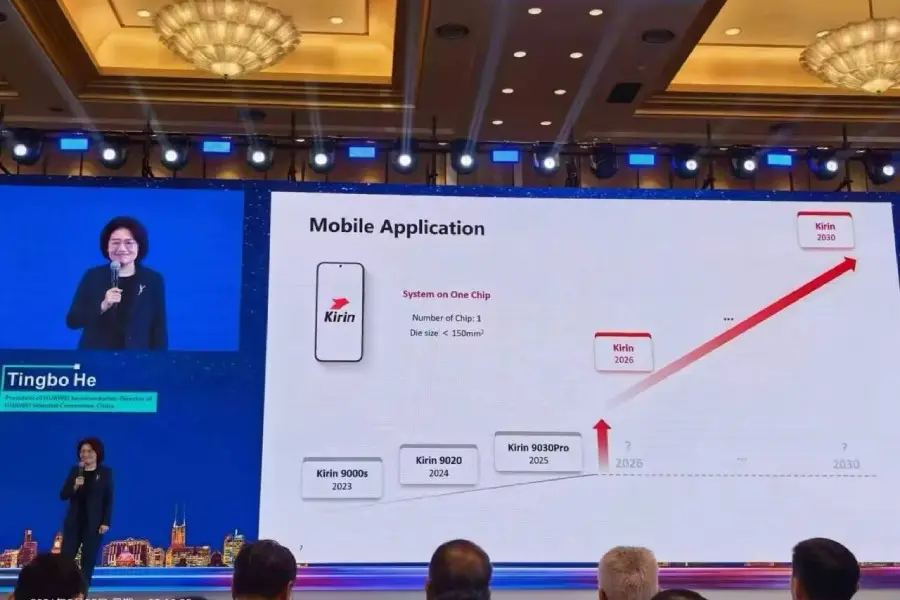
Flagship Power, Mid-range Compromises
On paper, the Kirin 2026’s specs look solid: higher transistor counts and faster clocks should translate to tangible gains. The catch is simple—Huawei’s new “logic folding” technique relies on doubling chip layers and reducing signal delays rather than shrinking transistors further. This means the chip’s physical footprint isn’t smaller, but internally it’s more complex.
According to Huawei, the Kirin 2026 packs around 238 million transistors per square millimeter—a 53.5% bump over previous chips. That’s a big leap, but it comes with engineering challenges. More layers also risk higher manufacturing costs and potential thermal issues.
Three Hours to Full Charge? That’s the Trade-off
Efficiency improvements of 41% in high-performance cores sound promising, but real-world results remain unproven. Huawei claims peak clocks near 3.1GHz, a 12.7% increase from last year’s Kirin 9030 Pro. Yet, sustained performance and battery life under 5G loads will likely tell a different story.
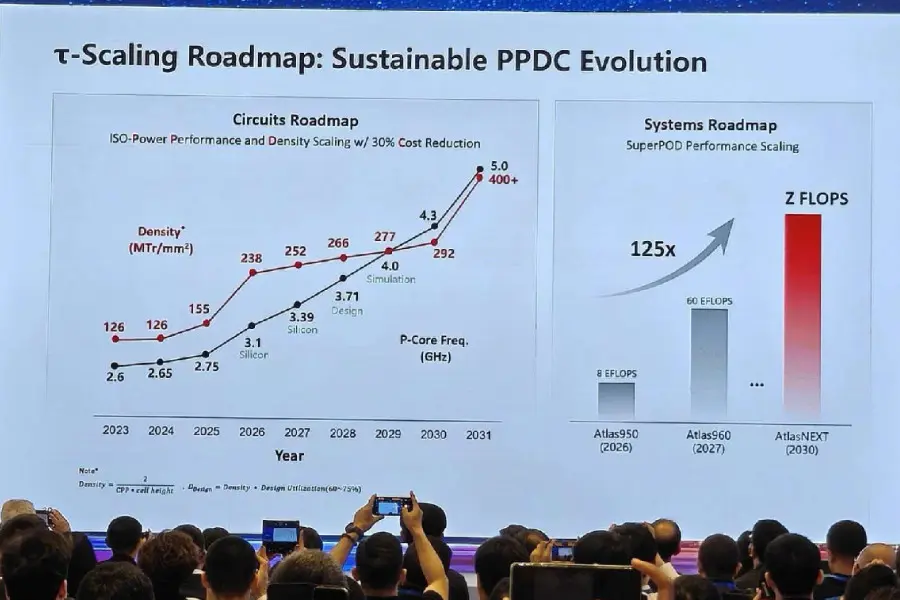
Huawei admits its processors hit a “performance saturation zone” after the Kirin 9030 Pro. This new chip is supposed to break through by focusing on “time scaling”—essentially reducing signal travel times rather than just transistor size. The implication: incremental gains instead of a breakthrough.
Waiting for the 2031 Revolution
The Kirin 2026 is positioned as a stepping stone, with Huawei forecasting steady gains over the next five years. The real game-changer is expected around 2031, when transistor density could double again past 400 MTR/mm² and clock speeds might reach 5.0GHz. Don’t hold your breath: that’s a long wait, and the actual commercial viability remains uncertain.
Huawei’s Tau Law strategy—highlighted at ISCAS 2026—is about shifting focus from Moore’s Law transistor scaling to reducing signal delay and “logic folding.” It’s an intriguing approach, but it’s too soon to say if it will deliver on its promises or just add complexity to chip design.
GizmoIndo’s Take
The Kirin 2026 showcases Huawei’s willingness to rethink semiconductor progress beyond shrinking transistors. The transistor density and efficiency claims are impressive on spec sheets, but the real test is production stability and battery impact in smartphones.
Huawei’s shift to “time scaling” is a smart pivot given the industry’s struggles with Moore’s Law, but the benefits are likely incremental for now. The chip’s complexity and layered design might slow down adoption or raise costs—factors that could limit its appeal in a competitive market.
For consumers, this means don’t expect a quantum leap in phone performance next year. Instead, Huawei is laying groundwork for long-term gains, betting on a 2031 breakthrough. Until then, expect modest improvements wrapped in a lot of engineering negotiation.
(Via)