
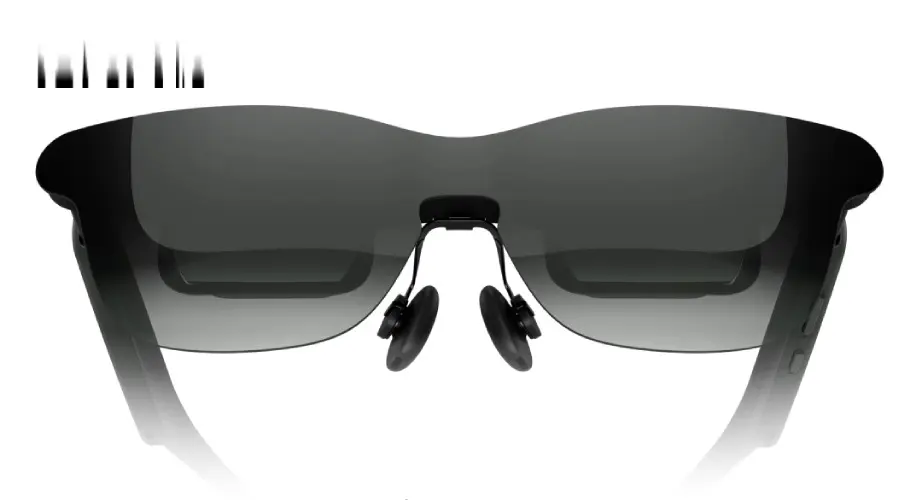
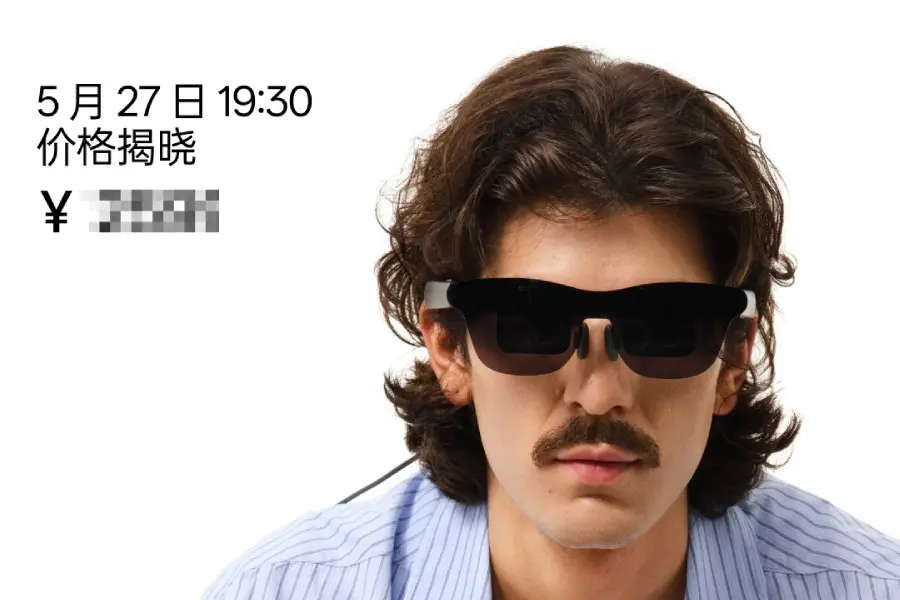
The RayNeo GT Max AR glasses arrive with a bold claim: a 59-degree field of view and Dolby Vision support aimed at a professional film experience. But why does this matter now? Because AR eyewear is still hunting for a killer app beyond novelty, and RayNeo is betting on cinematic immersion to draw serious users.
- 59-degree field of view with new micro-OLED display
- Dual-chip system: Vision 4000 image processor and Zone 360 spatial chip
- Dolby Vision playback when paired with Magic Box 2 Dolby Vision Edition
- Quad-speaker spatial audio tuned by Bang & Olufsen in a 78-gram frame
Flagship Power, Mid-range Compromises
On paper, the GT Max pushes AR glasses beyond the usual 45-degree FOV ceiling to 59 degrees. That means a somewhat wider virtual screen claim—RayNeo says it’s like watching a 267-inch display from six meters out. Sounds impressive, but the catch is simple: field of view improvements in AR rarely translate to jaw-dropping immersion without a trade-off in bulk or battery life.
The new micro-OLED and Vision 4000 chip promise better color accuracy and video processing. Yet, this tech likely bumps cost and power consumption, which RayNeo doesn’t clearly address. The GT Max’s weight of 78 grams is commendable—light enough for extended wear—but how the battery holds up under these features is still unknown.
Dolby Vision and Spatial Audio: Cinema-Style or Just Marketing?
RayNeo’s partnership with Dolby and Bang & Olufsen is eye-catching. Dolby Vision support is rare in AR, but it requires the Magic Box 2 Dolby Vision Edition accessory to unlock. That means an extra device to carry and charge. Early skepticism is warranted: real-world Dolby Vision playback quality on a micro-OLED in AR glasses won’t match a dedicated cinema screen.
Audio-wise, quad speakers with 360-degree head tracking sound promising. Bang & Olufsen’s involvement suggests decent tuning, yet spatial audio effectiveness depends heavily on real-world environmental factors—something we can’t verify from specs alone.
Dual Chips and Spatial Computing: Fancy Tech, Practical Gains?
The GT Max packs two dedicated chips: the Vision 4000 for imagery and the Zone 360 for spatial computing with native 3DoF tracking. This should enable stable image placement and multiple viewing modes. But 3DoF is already a limitation compared to full 6DoF AR systems, so this might not satisfy users expecting fluid, room-scale AR.
RayNeo’s choice of dual chips reflects an attempt to balance performance and power. But without benchmarks or battery details, it’s hard to tell if this architecture will outperform single-chip rivals or just add complexity.
The Big Picture
RayNeo’s GT Max is a bold step toward premium AR glasses focused on cinematic experiences. The expanded field of view and Dolby Vision support are rare features in this segment. However, the reliance on an external Magic Box for Dolby Vision, unconfirmed battery life, and modest spatial tracking hint at compromises under the hood.
For users chasing the ultimate portable cinema experience, the GT Max might be appealing—if you’re ready to carry extra gear and pay a premium. For everyone else, this announcement is another reminder that AR glasses still struggle to deliver on their lofty promises without sacrificing practicality.
Expect the real test to come post-launch, when usage scenarios reveal if these specs convert into meaningful advantages or just more marketing noise.
(Via)