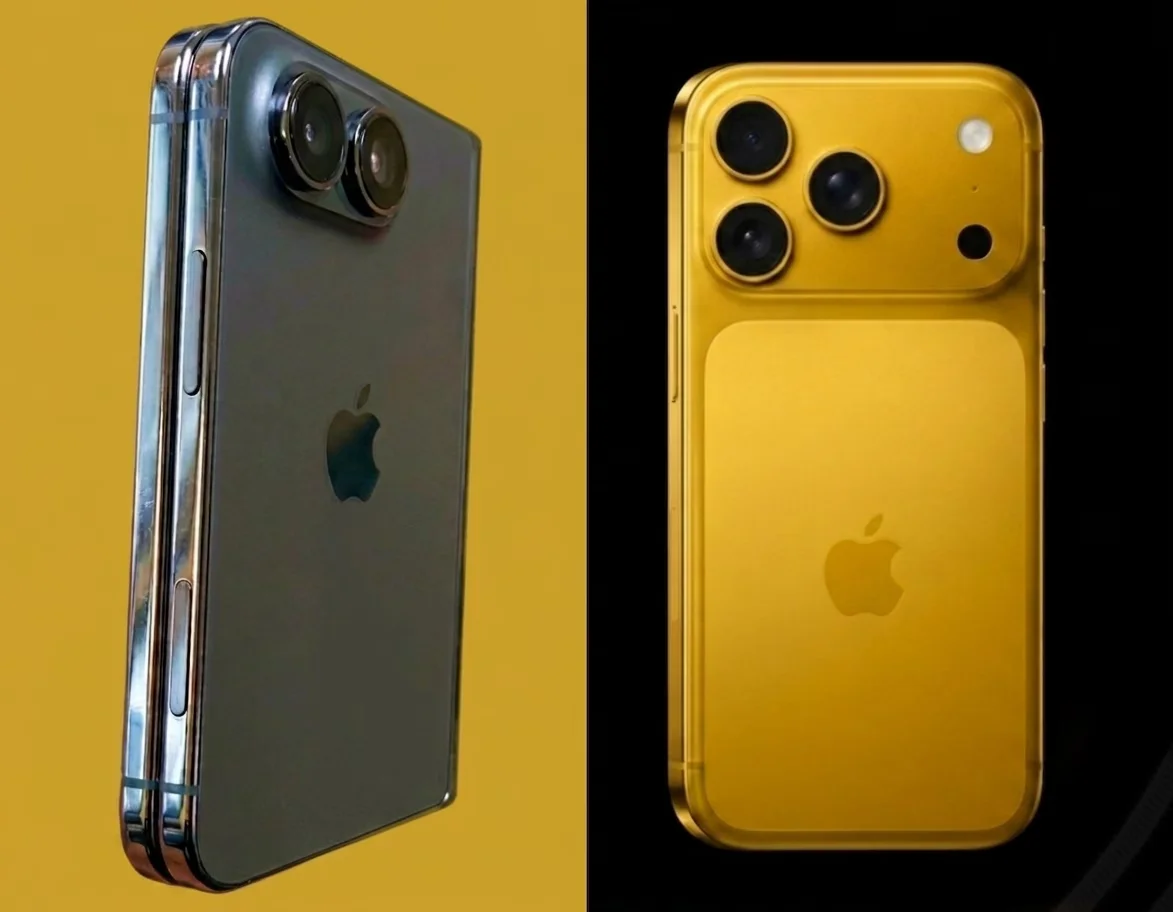
Many iPhone users have struggled with reception issues, especially in remote locations, indoors, or inside vehicles. Apple’s upcoming iPhone 18 Pro and foldable iPhone Ultra may address these frustrations by integrating advanced satellite connectivity, moving beyond emergency use to everyday reliability.
- Upcoming iPhone 18 Pro and Ultra models reportedly include Apple’s new C2 modem.
- The modem enables 5G Non-Terrestrial Networks (5G NR-NTN) support for satellite fallback.
- Satellite fallback aims to maintain connectivity automatically when cellular signals weaken.
- The technology could work indoors, in cars, and other signal-challenging environments.
Apple’s C2 Modem Could Change How iPhones Handle Weak Signals
Current iPhones rely on cellular towers for connectivity, and satellite features are generally limited to emergency SOS functions requiring manual satellite alignment. The new C2 modem is said to support 5G NR-NTN, allowing seamless fallback to satellite networks without user intervention. This means phones could maintain a connection even in places where cellular signals usually fail.
Satellite Connectivity Moves from Safety Net to Daily Use
The bigger question is how practical this satellite fallback will be for everyday users. If Apple succeeds, the iPhone 18 Pro and the foldable iPhone Ultra could keep users connected in more situations — like inside buildings or vehicles — where signals tend to drop. This would reduce dropped calls and improve data access in challenging locations.
Availability and Price Considerations
These features are expected to debut with the 2026 iPhone lineup, likely launching in September. While satellite connectivity is promising, it may come with trade-offs such as higher device costs or increased battery consumption. Buyers should also consider that satellite coverage quality depends on regional infrastructure, which might vary globally.
Consider It If You Often Face Poor Reception
Consider the iPhone 18 Pro or foldable Ultra if you frequently find yourself in areas with weak cellular coverage or need reliable connections indoors and on the move. The automatic satellite fallback could save time and frustration. Skip it if you mostly use your phone in well-covered urban areas, where traditional cellular networks suffice and the added cost may not be justified.
(Via)