
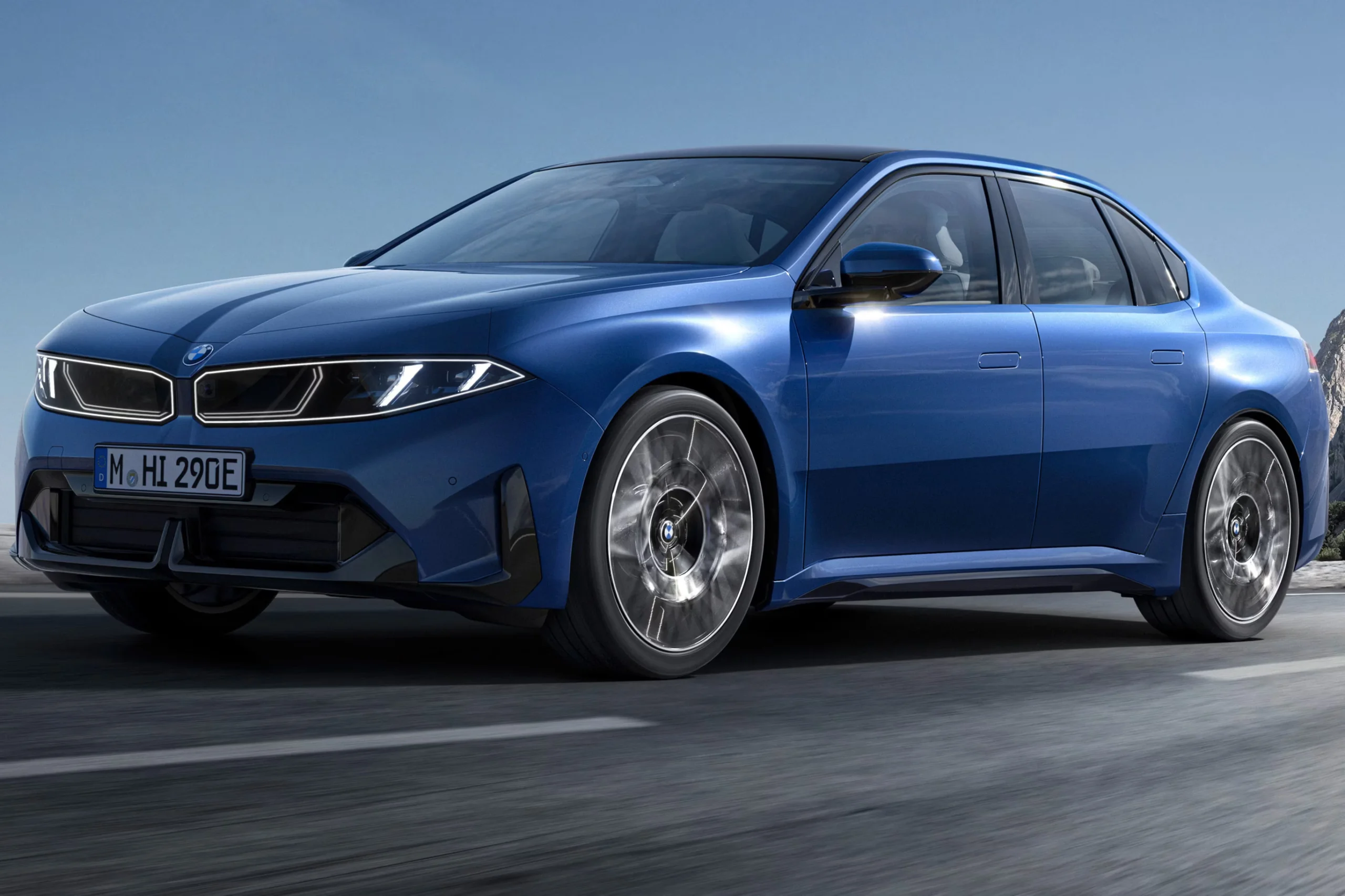
Electric vehicles (EVs) are no longer niche products but a significant part of the global automotive landscape. In 2025, new EV sales doubled to around 21 million worldwide, meaning one in every four new cars sold is now electric or a plug-in hybrid. This rapid growth raises practical questions for buyers, manufacturers, and policymakers about how the market will evolve and what it means for transportation choices.
- Global EV sales doubled to 21 million in 2025, capturing 25% market share
- China leads with 60% of global new EV registrations
- Europe and the US show steady EV growth amid tightening emissions rules
- EV expansion impacts oil demand, potentially saving millions of barrels daily by 2030
China’s Market Dominance Shapes Global EV Trends
China remains the clear frontrunner in electric car adoption. Of the 21 million EVs sold worldwide in 2025, around 13 million were registered in China alone. The country’s aggressive push includes competitive pricing from local automakers and a dense charging infrastructure that makes switching to electric more convenient. By early 2026, EVs accounted for over 60% of new passenger car sales in China, a figure unmatched elsewhere.
This scale creates a unique market dynamic where Chinese trends influence global supply chains and technology development. Buyers outside China benefit indirectly from the availability of more affordable EV options and faster technological improvements.
Europe and the US Keep Pace with Steady Growth
Outside China, Europe and the US are the main contributors to EV market expansion. Europe, in particular, saw nearly 30% growth in EV sales in the first quarter of 2026, pushing electric vehicles to 28% of new car registrations. This momentum is driven partly by strict CO2 fleet regulations that encourage automakers to accelerate electric offerings.
Meanwhile, the US market is expanding steadily but at a slower pace. The growing charging infrastructure and increasing model variety improve usability for American drivers, though pricing and range remain key considerations for many potential buyers.
Emerging Markets Show Surprising Uptake
Regions like Latin America and Southeast Asia are also experiencing rapid EV adoption. Latin America’s EV registrations surged by 75%, while Southeast Asia doubled sales within a year. These markets are still small compared to China or Europe but indicate a global momentum toward electrification.
The biggest trade-off in many of these regions is infrastructure readiness. While demand grows, a lack of widespread charging networks can limit convenience, which buyers should keep in mind.
EV Growth’s Wider Impact on Energy and Environment
The rise of electric vehicles is not just changing car ownership but also impacting global oil demand. Analysts estimate that by 2030, the increase in EVs could reduce crude oil consumption by about 5 million barrels daily. This shift has significant implications for energy markets and environmental policies worldwide.
Looking ahead, forecasts suggest annual EV sales could reach 55 million by 2035, making electric mobility a dominant force in transportation. However, the transition pace will depend on continued improvements in battery technology, affordability, and charging infrastructure.
Considerations for Potential EV Buyers Today
For buyers, the expanding EV market offers more choices and better prices, especially in regions with strong policy support and infrastructure. Consider it if you have reliable access to charging and want to reduce fuel costs and emissions. Skip it if charging options remain limited or if upfront costs exceed your budget, as total ownership costs and convenience vary by location.
The global EV surge is clear and accelerating, but localized factors still shape how practical electric cars are for individual drivers. Understanding these nuances helps make informed decisions amid this fast-changing market.
(Via)