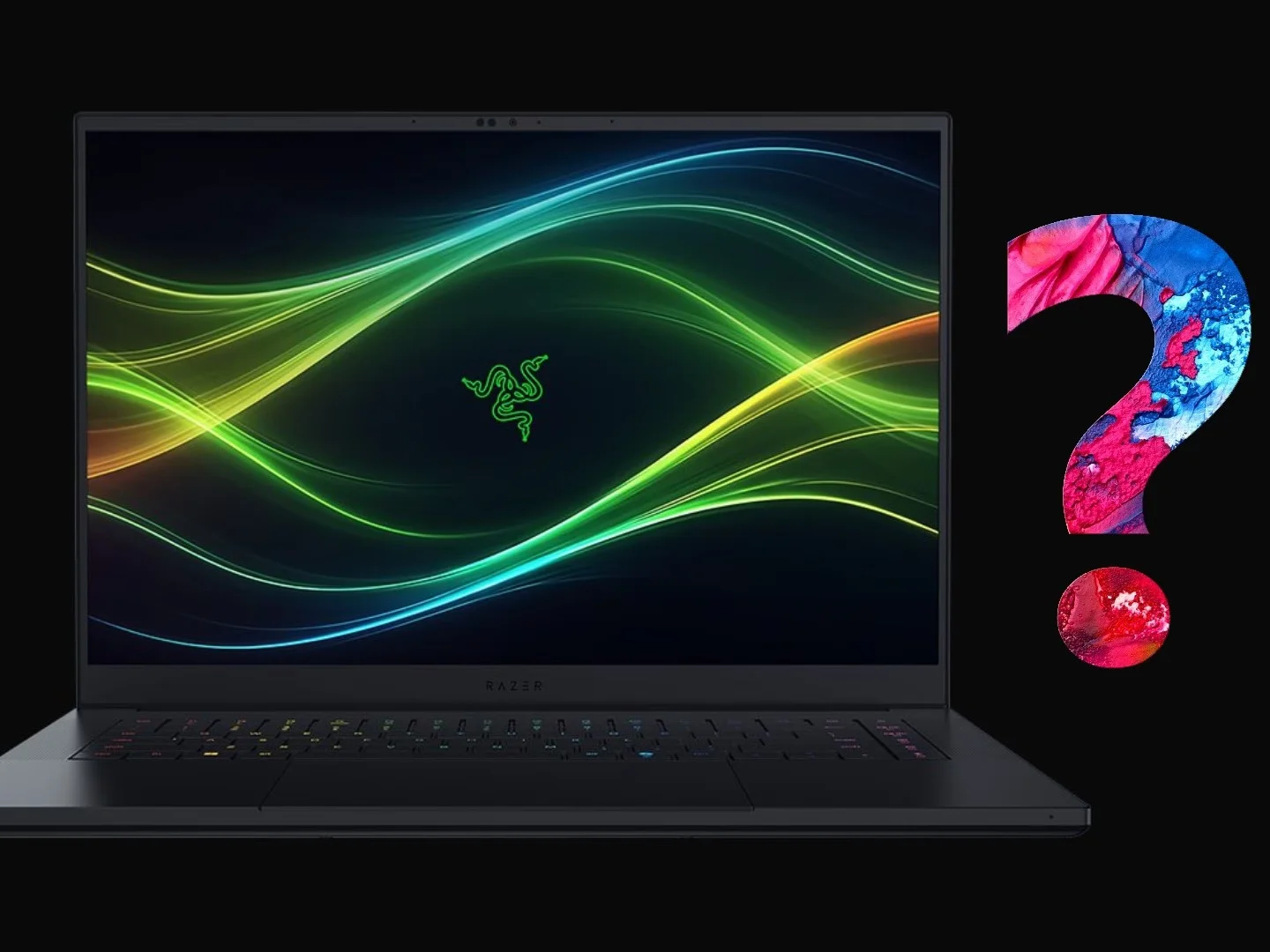
Paying more for a newer gaming laptop often promises better performance, but the Razer Blade 16 2026 challenges that assumption. Despite sporting the latest Intel Core Ultra 9 386H CPU and a brighter 240 Hz OLED screen, early reviews indicate slower gaming performance compared to the 2025 model. So, what’s really new—and is it worth the higher price?
- Mixed CPU performance with slower multi-core results than the 2025 AMD model
- Gaming runs slower despite increased RTX 5090 GPU power
- Battery life jumps by 70%, reaching over 17 hours in web browsing
- Thermal and fan noise vary across power profiles, with some running hotter
The 140W RTX 5090 Power Boost Doesn’t Translate to Gaming Gains
Razer bumped up the wattage of the RTX 5090 laptop GPU in the 2026 Blade 16, but gaming benchmarks tell a different story. Hardware Canucks’ tests show the 2026 model is slower than the 2025 Blade 16 in most games at 1600p. This suggests that the extra power isn’t fully utilized or that other factors, like CPU performance or thermals, are bottlenecks.
The trade-off is clear: while the GPU power increased, the overall gaming experience didn’t improve. Buyers focused on gaming should consider how much this matters against the price hike.
Intel’s Core Ultra 9 386H CPU Shows Mixed Results
The new Intel CPU in the 2026 Blade 16 has a curious performance profile. In multi-core workloads such as Blender and Houdini, it underperforms the previous AMD Ryzen 9 HX 370 by 8% to 13%. Video editing results are split, with Resolve favoring the 2026 Blade, but Premiere Pro running faster on the 2025 model.
This means the upgrade depends heavily on your software preferences. The Intel chip’s efficiency improvements come with some performance compromises under multi-threaded loads.
A Notable Win: Battery Life Improves by 70%
One area where the 2026 Blade 16 shines is battery life. Despite the powerful hardware, it managed 17 hours and 20 minutes on a web browsing test—about 70% longer than the 2025 model. This is a meaningful improvement for users who need longer unplugged productivity.
However, some early testing noted idle power consumption quirks, so real-world results might vary. Still, the extended battery life fits well for frequent travelers or those less tethered to power outlets.
Thermal and Noise Behavior Depends on Power Profiles
Thermal performance is a mixed bag. Under Custom and Balanced profiles, the 2026 model runs hotter and louder than the 2025, even though it uses slightly less CPU power. The Performance profile flips this trend, running cooler and quieter by lowering CPU power consumption.
This suggests Razer’s cooling system handles GPU load well, but the CPU needs more tuning, especially for sustained workloads. Users should be aware that fan noise and temperatures may vary depending on their chosen performance settings.
Consider It If… and Skip It If…
Consider the Razer Blade 16 2026 if battery life and a brighter OLED display are your priorities, and you use software that benefits from Intel’s CPU strengths. Frequent travelers or content creators valuing unplugged time may find the battery boost appealing.
Skip it if your main focus is gaming performance or multi-core CPU tasks, as the 2025 Blade 16 offers better speed for a lower price. The new model’s gaming slowdown and price increase make it less compelling for pure gamers.
Prices and availability can vary by region, so potential buyers should factor in local market conditions when deciding.
(Via)