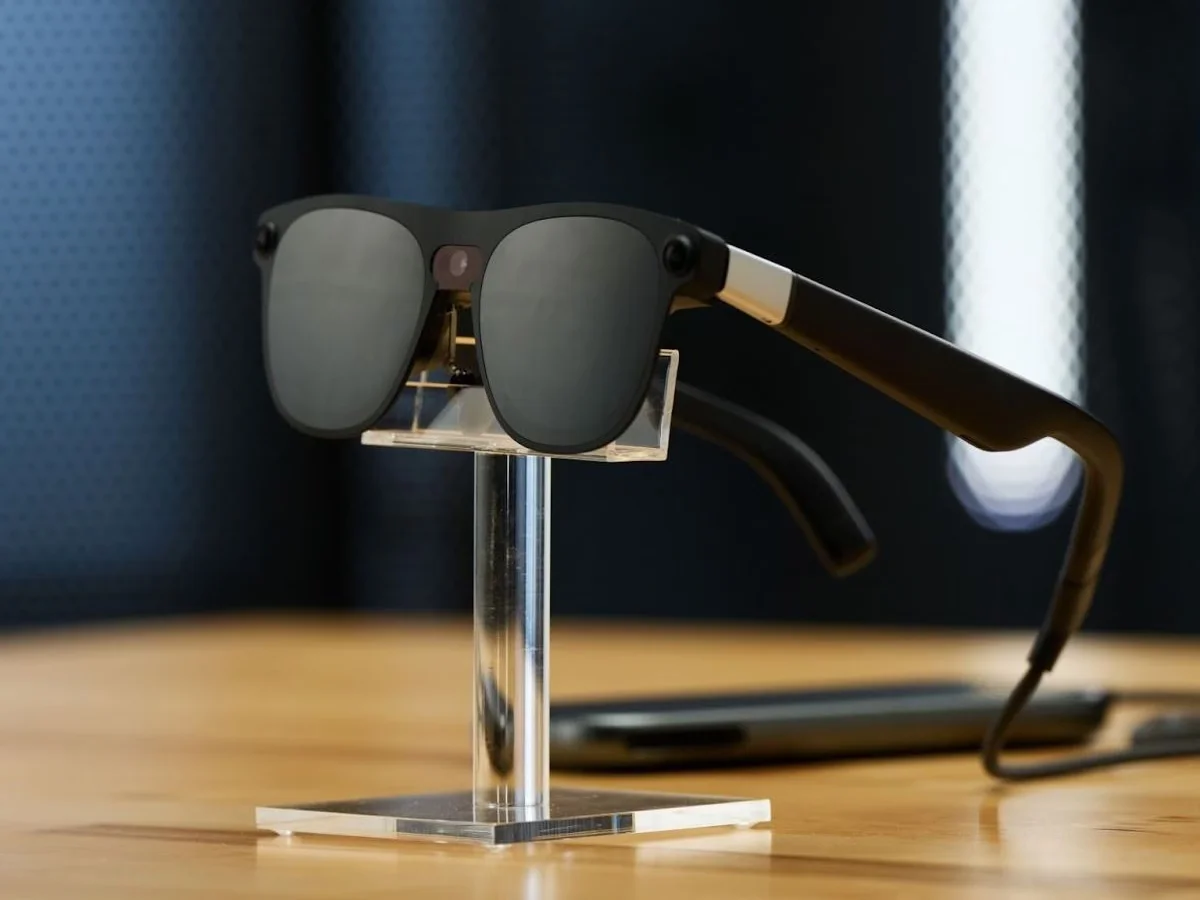
Smart glasses with bright, high-quality displays have long promised to change how we consume content and navigate digital worlds. But many available XR glasses still lack integrated displays or rely on wireless setups that limit performance and clarity. Xreal’s Project Aura takes a different approach by offering Android-powered XR glasses with OLED displays, wired to a puck for processing power. This design aims to deliver immersive 180-degree and 360-degree experiences, including YouTube and Google Maps, but it raises questions about convenience and portability.
- Project Aura glasses feature OLED displays for rich visuals
- Require a wired connection to a processing puck, similar to Apple Vision Pro
- Support immersive 180° and 360° video and Google Maps experiences
- Developer early access program launched ahead of 2026 release
OLED Displays Offer Clear Visuals but Need Wired Connection
Unlike some competitors such as the Meta Glasses Wayfarer or Rokid AI Glasses Style, which don’t include displays, Project Aura comes with full OLED screens. This enables a more immersive and visually engaging experience, especially for video and mapping applications. However, the glasses are not standalone. They require a wired connection to a dedicated puck device that handles processing. This trade-off means users get better visuals and performance, but with less freedom of movement compared to wireless or all-in-one smart glasses.
Early Developer Program Targets App Ecosystem Growth
Xreal recently announced a developer program granting early access to Project Aura. This is a practical move to build useful apps and experiences before the general launch. Early demos at Google I/O 2026 showed promising multimodal AI capabilities, including laptop connectivity and immersive content playback. For developers and early adopters, this could make Project Aura a versatile XR platform.
Price and Availability Still Unclear, But Launch Expected Before 2027
While Xreal has yet to reveal pricing or an exact release date, the company expects Project Aura to launch before the end of 2026. Given its advanced features and the wired design, the glasses may sit in a mid-to-high price tier, potentially targeting enthusiasts or professionals rather than casual users. Availability will likely vary across regions, so buyers should monitor local channels for updates.
The Trade-Off Is Portability Versus Visual Quality
The wired connection offers better display quality and processing power but limits portability and convenience. For users prioritizing immersive content and compatibility with Android XR apps, Project Aura could be compelling. However, those seeking truly wireless or standalone glasses might find the design restrictive. It makes more sense for users who plan to use the glasses in stationary or semi-stationary setups, such as at a desk or home entertainment area.
Consider Project Aura if you want a clear, immersive Android XR experience and don’t mind a wired setup. Skip it if you need fully standalone glasses or prefer untethered mobility while using XR features.
(Via)