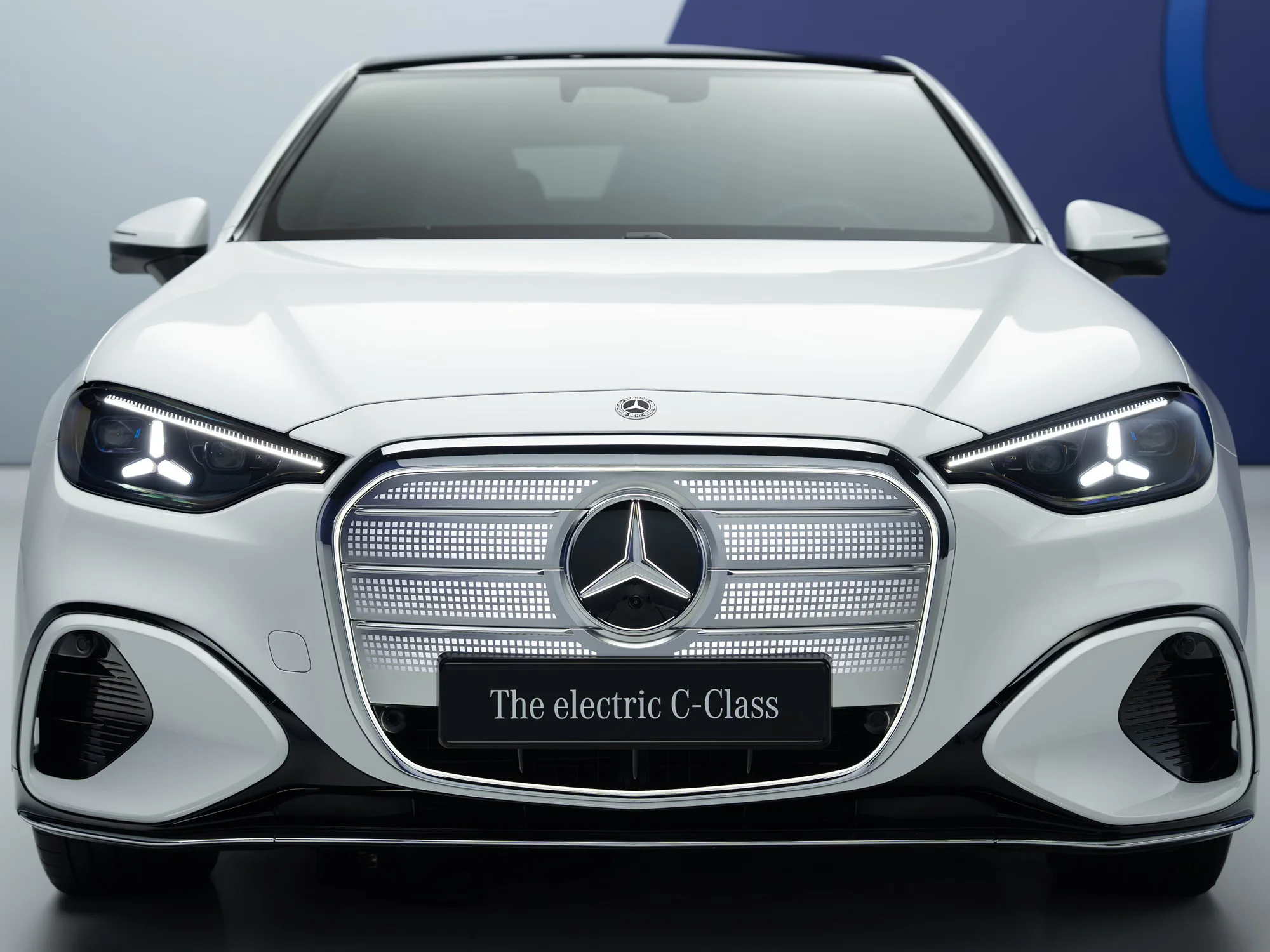
Automotive suppliers face tough competition and market shifts, and Bosch recently found itself under pressure with job cuts and profits slipping. Yet, a new large-scale order from Mercedes-Benz for electric motors marks a significant positive turn for Bosch’s Mobility division.
This deal secures Bosch as a core supplier for Mercedes’ next-generation premium electric vehicles well into the 2030s. The electric motors involved promise efficiency rates up to 98%, leveraging advanced winding technology paired with an innovative rotor oil cooling system. This combination not only improves heat dissipation but also boosts power density, critical for electric vehicle performance.
- High efficiency electric motors with up to 98% efficiency
- Scalable motor design adaptable to various axle configurations
- Production ramp-up to over seven million components by 2026
- Strategic partnership amid Bosch’s recent business challenges
Scalability Reduces Cost and Complexity
Bosch’s motor architecture is designed to be flexible, allowing adjustments in length and easy integration into different axle types. This modularity helps reduce weight and installation space, which can lower overall system costs. For automakers like Mercedes, this means better efficiency not only in energy use but also in manufacturing and assembly processes.
Efficiency Gains Stem from Cooling Innovations
Electric motors generate a lot of heat, which can reduce performance if not managed well. Bosch’s rotor oil cooling system is a practical solution that dissipates heat effectively, maintaining the motor’s peak efficiency and power output. This technology is a key factor behind the claimed 98% efficiency, which stands out in a competitive market.
Strong Production Capacity Meets Growing EV Demand
Currently, Bosch manufactures approximately seven electric motors every minute. With plans to produce over seven million components globally by 2026, the company is scaling up to meet increasing demand from Mercedes and other automakers worldwide. This volume highlights Bosch’s established position but also requires balancing quality and cost.
The trade-off is capacity. While Bosch focuses on scalable, efficient motors, buyers looking for ultra-high-performance or specialized solutions might look elsewhere. However, for premium electric vehicles aiming at efficiency and modular design, Bosch’s offering makes practical sense.
Prices and availability of vehicles using Bosch motors will vary by region, but this partnership signals a vote of confidence in Bosch’s technology despite recent corporate challenges. It also reflects the broader shift in the automotive supply chain toward electrification, where suppliers must innovate to stay relevant.
Consider Bosch’s motors if you value efficiency and scalable design in premium EVs. Skip if your priority is ultra-high performance beyond standard premium segment requirements.
(Via)