
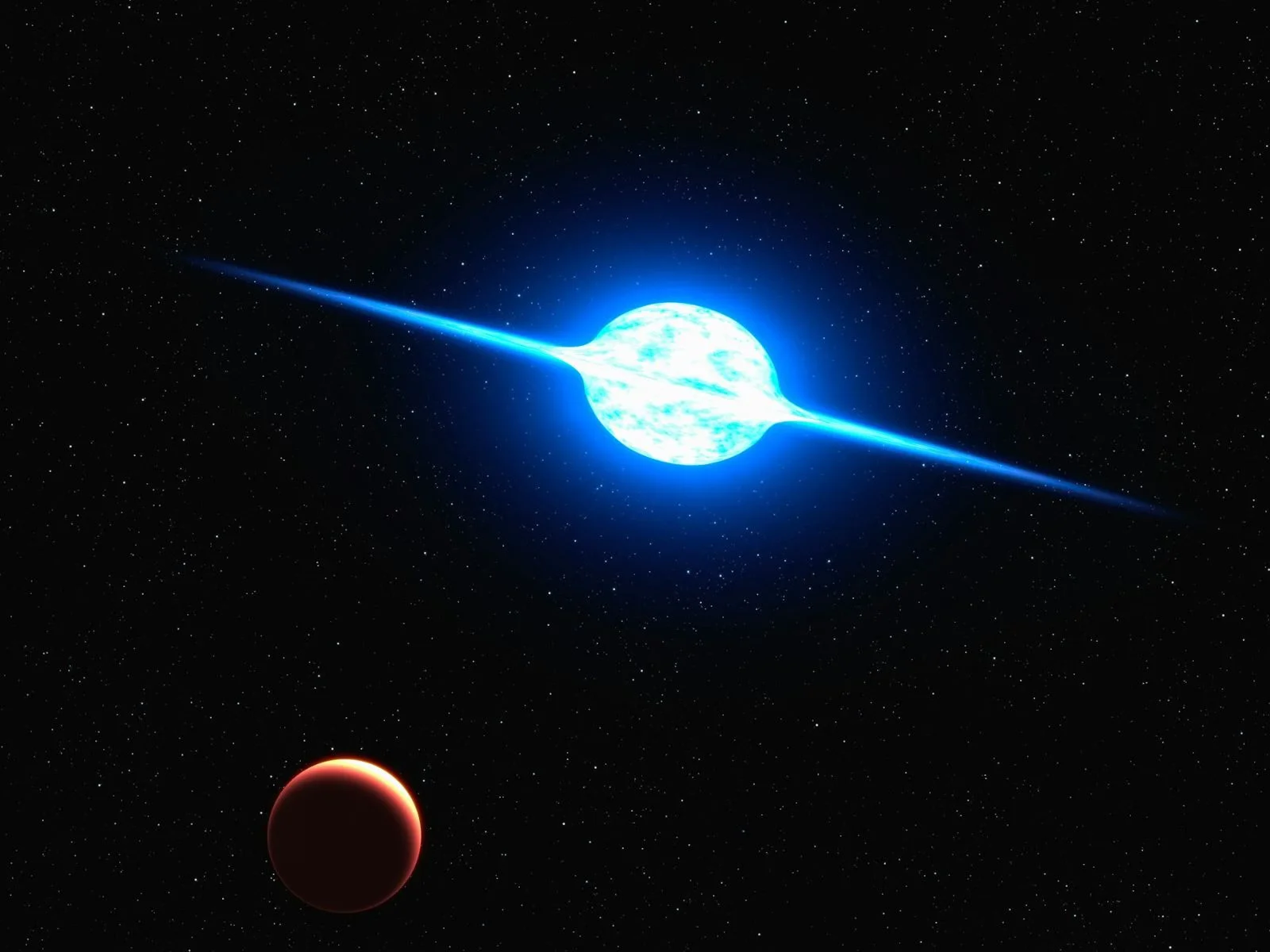
Discovering neutron stars that spin hundreds of times per second is no easy task, yet astronomers have recently identified 15 new millisecond pulsars in a globular cluster relatively close to Earth. These compact stars, located about 13,000 light-years away in the 47 Tucanae cluster, add important pieces to the puzzle of stellar evolution and dense matter physics.
- 15 new millisecond pulsars found in 47 Tucanae using MeerKAT
- Spin periods as short as 1.88 milliseconds
- Most are binary systems with low-mass companions
- Brings total pulsars in the cluster to 42
Why Millisecond Pulsars Matter in Dense Star Clusters
Millisecond pulsars (MSPs) are neutron stars that rotate extremely fast, completing a spin in just a few milliseconds. Their rapid rotation and intense magnetic fields produce pulsating radio waves detectable by sensitive instruments. Studying MSPs in clusters like 47 Tucanae helps astronomers understand how such stars form, often through interactions with companion stars, and how they evolve in crowded stellar environments.
MeerKAT’s Role in Uncovering New Pulsars
The MeerKAT radio telescope in South Africa has proven crucial for these discoveries. Its high sensitivity enables detection of faint pulsar signals that might be missed by other telescopes. The newly found pulsars have spin periods ranging from 1.88 to 13.03 milliseconds, with 12 being binary pulsars paired with low-mass companions, and the rest isolated. This diversity offers a richer dataset for studying pulsar behavior.
Trade-Offs and Next Steps in Pulsar Research
While adding 15 MSPs to the cluster’s roster is significant, the trade-off is that even with advanced instruments, many pulsars remain difficult to detect due to distance, signal interference, or orientation. The fastest known pulsar, spinning at 716 times per second, lies about 18,000 light-years away, reminding us that more discoveries require patience and improved technology.
Future observations will focus on better characterizing these pulsars’ properties and searching for additional ones. For international astronomers and enthusiasts, these findings highlight the value of investing in sensitive radio arrays and the continuing surprises the cosmos holds.
The 47 Tucanae cluster now hosts 42 confirmed pulsars, making it one of the richest pulsar environments known. This offers a valuable natural laboratory for studying dense stellar systems and the physics of neutron stars.
Consider this discovery if you follow astrophysics or the development of radio astronomy technologies. Skip it if you prefer more immediate, practical tech news, but keep an eye out—these pulsars deepen our understanding of the universe’s most extreme objects.
(Via)